

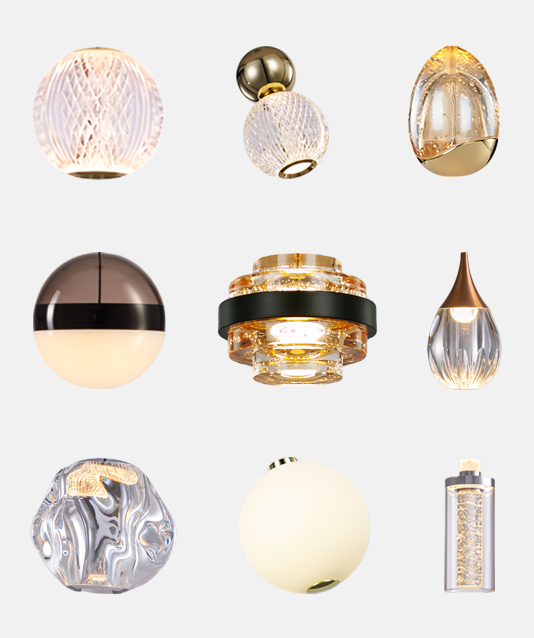
Introduction: A Real Room, Real Numbers, Real Stakes
You step into a busy Nairobi lobby at dusk, and the mood is right—until the shadows flatten faces and the tables glare. A custom pendant light could fix that in one swift design pass. A bespoke lighting company often sees this scene every week, pole pole becomes haraka when peak hours hit. Lighting can account for more than a quarter of a venue’s electricity use, and poor CRI still ruins product color on shelves. The lux levels are off, thermal hotspots rise, and guests notice—silently. Now ask yourself: why do spaces that look premium still feel hard on the eye?
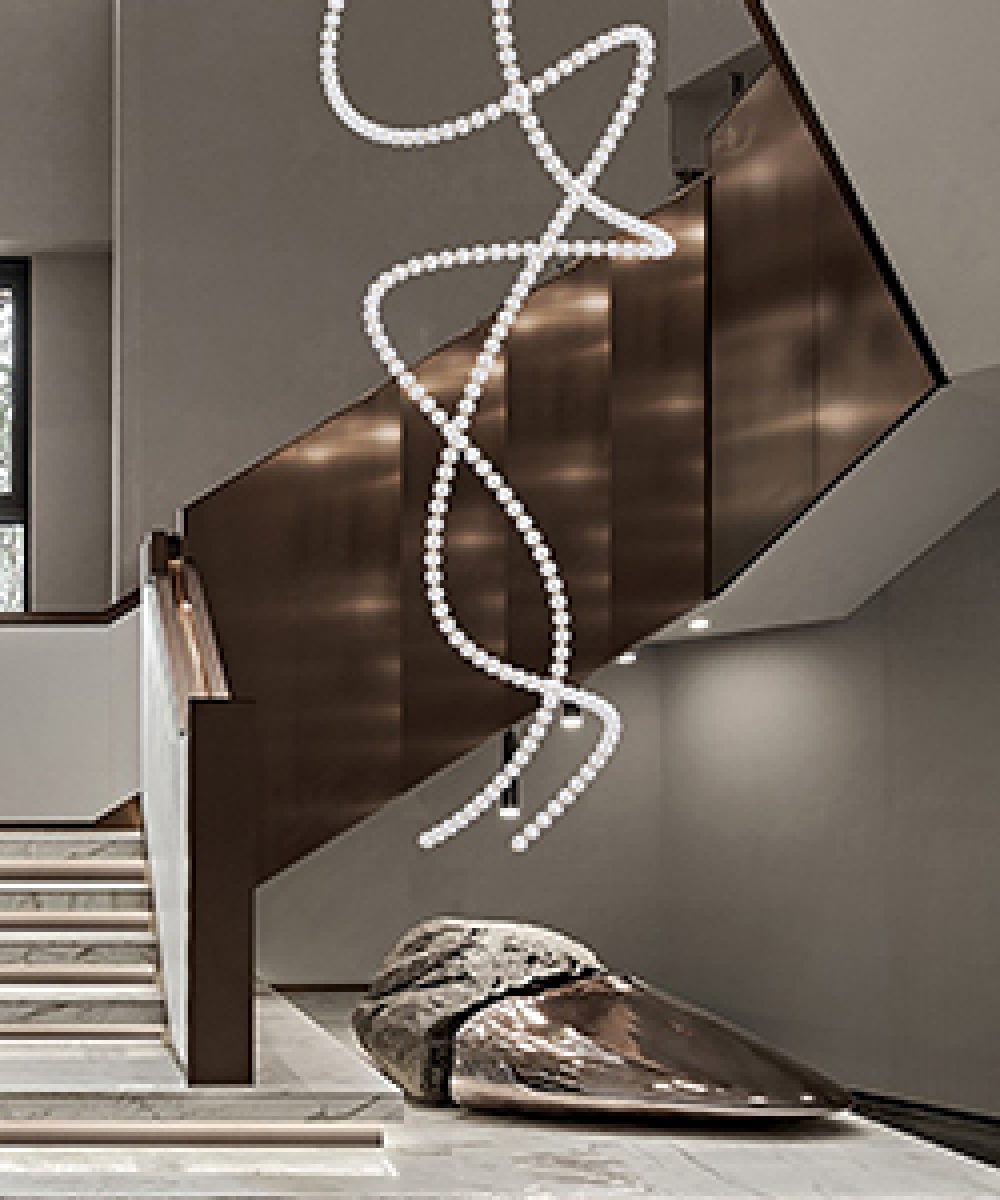
Here is the rub. The fixtures are pretty, but the system behind them is not. Drivers mismatch dimming curves; optical diffusers scatter light the wrong way; maintenance is reactive. Data says energy budgets keep tightening, yet ambience sets revenue tone. Can we measure light and mood together—and do it with grace? Sawa, we can. Let us frame the problem, then show a path that works across budgets and brands. On we go to the deeper layer.
Beyond the Surface: The Hidden Flaws in Traditional Pendants
What actually goes wrong?
Most legacy pendants are designed as objects, not systems. That is the first flaw. A shade and a bulb are chosen for style, then forced into a space with different ceiling heights and finishes. Photometrics do not match the tables or aisles. The result is glare at the eye line and dim pools on working surfaces. Dimming drivers add noise and flicker when paired with the wrong controls. CRI drops under warm dim, so food loses its fresh pop. Look, it’s simpler than you think: if the candela distribution does not fit the plan, ambience will fail—no matter how expensive the metalwork.
Then comes maintenance. Power converters sit in hot housings, so lifespan shrinks. Poor thermal management cooks LEDs and shifts color over time. Staff replace parts ad hoc, which breaks uniformity from pendant to pendant. And the story repeats—funny how that works, right? Finally, controls. A venue may run mixed protocols. DMX in the bar, 0–10V in the dining area, and a cheap triac dimmer in a side hall. That patchwork means uneven fades and scenes that never feel “one”. The fix starts with a system-first brief, not a catalog-first pick.
From Constraints to Capabilities: A Forward Look at Smarter Pendants
What’s Next
The shift is clear: design the pendant as a calibrated engine, not a lone ornament. New LED packages maintain color fidelity across dimming, and lenses shape light with intent. Think narrow beams for tables, soft edges for circulation, and high-CRI cores for merchandise. DALI-2 or Bluetooth Mesh ties scenes to time of day, so you keep mood while cutting watts. Pair that with swappable drivers and service doors, and downtime drops. In short, the pendant becomes an upgradeable node—small, smart, and consistent. When you layer these nodes, you gain a flexible decor lighting solution that scales without drama.
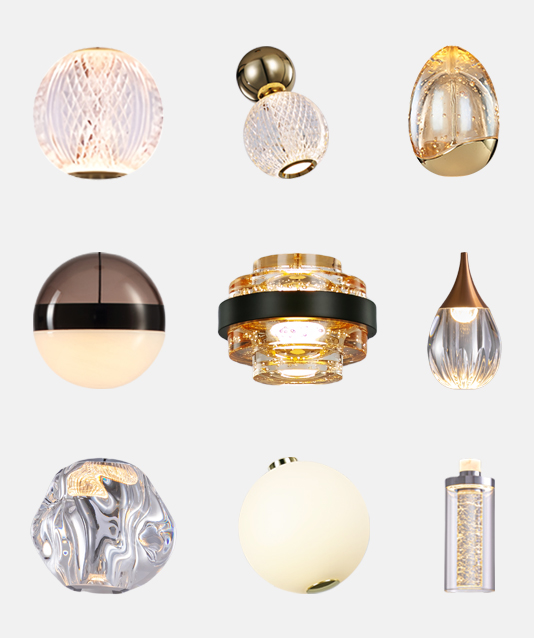
Comparatively, older solutions lean on brute force: overlight, then dim until it “feels okay.” The new principle is different. Start with the task, map lux targets, and let photometrics drive form. Use cooler edges to guide flow, warm cores to anchor seating, and unified control so scenes glide. Add IP-rated housings where cleaning is heavy, and heat sinks that keep color stable year-round. You get fewer fixtures, smoother dimming, and cleaner power factors. The ambience reads premium, but the system is practical—serviceable drivers, clear cable routing, and measured results. That is how you future-proof without overspending.
Advisory close: choose with numbers and people in mind. Three metrics help. 1) Visual quality: CRI and uniformity at target lux on task planes. 2) System integrity: driver compatibility, control protocol fit, and thermal margins. 3) Lifecycle cost: service access, part standardization, and measured kWh per scene. If those three pass, the rest follows. And everyone—from the barista to the brand manager—feels it in daily use and in the bill. For deeper collaboration grounded in these principles, see kinglong.