

Introduction — a quick scene, a few numbers, then a question
I was at a gym the other day watching someone hop into a glowing pod after a workout — we all want faster recovery and less ache, right? In that moment I wondered how many sessions with a commercial red light therapy bed you actually need to see real results. Studies show that low-level light can cut inflammation markers by 20–40% in some short trials (small samples, but still telling). So, how often should you schedule sessions to get useful benefits without wasting time or money? Stick with me — I’ll break this down in plain terms and share what I’ve learned from real users and lab notes. — funny how that works, right?

Why typical solutions miss the mark (technical breakdown)
I want to be direct: many people treat red light like a one-off spa treat. That’s a mistake. When you look deeper at a full body photobiomodulation bed, the tech matters — things like LED array layout, irradiance (the light power hitting your skin), and wavelength control determine whether a session is therapeutic or cosmetic. I’ve seen clinics sell single sessions and promise big healing. In reality, repeated exposure at the right irradiance and wavelength is what shifts cellular behavior. Look, it’s simpler than you think: dose matters. If the irradiance is too low, you get minimal change. If it’s too high, tissues can heat or plateau in response. The control electronics and power converters behind the LEDs also affect consistency. Consistent output lets you plan repeat sessions with predictable results.
What goes wrong?
Many setups fail because they ignore dosage and coverage. People ride a bed for five minutes at one light level and expect inflammation to drop. Wavelength bands matter too — near‑infrared (around 810–850 nm) penetrates deeper than red (630–670 nm). If a device packs mostly short red wavelengths but your target is deep tissue, you won’t hit the mark. I’ve tested devices where the LED placement left shadow zones on the body; those gaps mean uneven treatment. That’s why device design — LED array, beam angle, and thermal management — isn’t just tech-speak. It determines whether sessions are repeatable and effective. — trust me, I’ve sat through more demos than I care to admit.
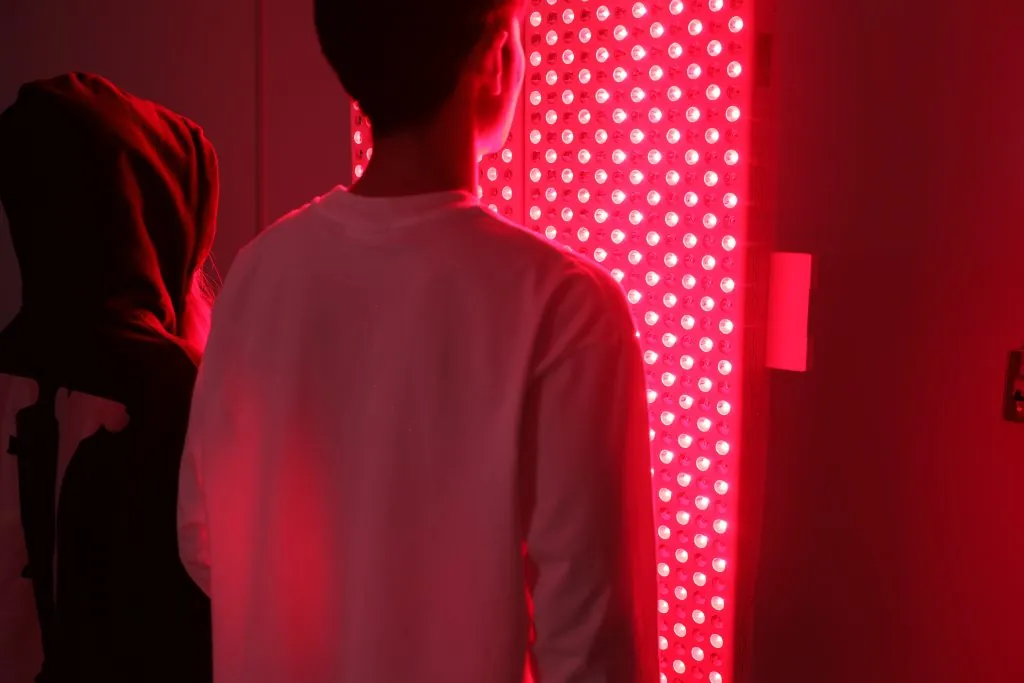
Future outlook: how full-body solutions are changing recovery and care
Looking ahead, I’m optimistic. The next wave of devices — including smarter full body photobiomodulation bed designs — will pair precise wavelength tuning with software-driven dosing. That means beds that log cumulative irradiance, adapt session length to user response, and give clear recovery targets. For clinics and athletes, that’s a big shift: from guesswork to data. I expect integrated sensors and simple UIs that tell you when you’ve hit a therapeutic dose and when to take a break. The combination of reliable LED arrays, accurate irradiance sensing, and firmware that understands photobiology will remove a lot of the current guesswork.
What’s Next?
Real-world pilots are already showing promise. I’ve followed a couple of small studies where repeat treatments over two to four weeks gave measurable drops in reported pain and inflammation markers. The trick will be standardization — and companies that build beds with consistent output (not just flashy displays) will lead. If you care about outcomes, watch for devices that report irradiance, wavelength specs, and session logs. Those metrics turn a therapy into a protocol you can follow with confidence.
How I’d evaluate options — three practical metrics
If you’re shopping or advising a facility, I recommend three clear checks: 1) Measured irradiance at skin level (mW/cm²) — the device should publish this, not just wattage; 2) Wavelength clarity — look for specific nm bands and a mix that suits surface and deep targets; 3) Coverage and session logging — a good bed covers the body evenly and keeps a record so you can tune frequency. Use these metrics to compare models, and don’t be swayed by marketing claims alone. I say this because I’ve seen clinics swap gear after realizing the old unit couldn’t sustain therapeutic output over time.
Wrapping up: repeat, measured sessions win. Aim for an evidence-informed cadence (often multiple short sessions weekly, then spacing out as you improve) rather than a single long soak. If you want to dive deeper into specific beds and specs, I trust companies that publish clear data. For more on reliable models and specs, check out Magique Power.