

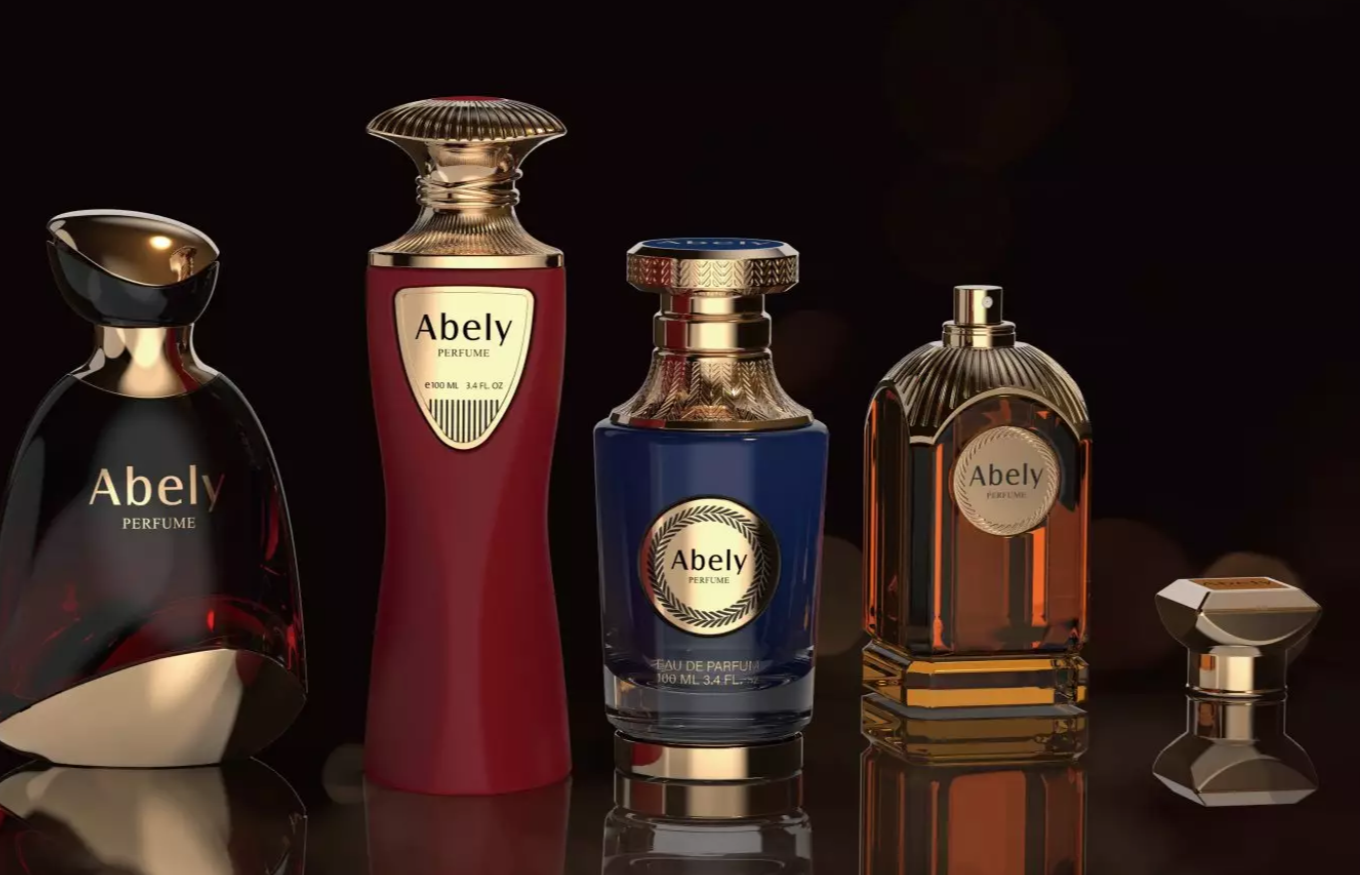
Comparative Lead-in
This comparative insight is written to help buyers and designers decide between coating paths for perfume bottles in a wholesale environment. It compares performance, cost, and brand impact in plain terms. For procurement teams exploring perfume bottles wholesale, and for creative teams seeking unique perfume bottles wholesale, the choices made at coating stage shape shelf appeal and production risk. The logic here is simple: compare like with like, and choose what aligns to your positioning and logistics capacity.
Why Coating Matters — a Comparative Lens
Coating is more than decoration. It protects fragile glass, defines tactile quality, and can reduce light damage to fragile fragrances. In Grasse, where perfume tradition meets modern industry practices, brands learned that coating choices directly affect perception and preservation. From that real-world lesson, a comparative approach becomes practical: weigh longevity, finish fidelity, and regulatory compliance before deciding.
Material and Coating Comparisons
Below are the common coating families, compared to help selection:
– Lacquer/Enamel: Durable, cost-effective, excellent for opaque branding. Best when color match and chemical resistance matter. – Vacuum Metallization / PVD: High-luster metallic finishes with good adhesion. Premium look but can be sensitive to abrasion. – Electroplating: True metallic layer with depth; requires tight process control and higher MOQ. – UV Printing & Digital Coating: Fast, flexible for short runs and personalization; finish varies with surface preparation. – Silicone or Soft-Touch Coatings: Adds luxury feel; requires testing for fragrance interaction.
Each option has trade-offs in setup cost, environmental controls, and lead time. It is advisable to prototype and wear-test—small samples reveal much that specs cannot.
Supplier Selection, Compliance, and MOQ Realities
When comparing suppliers, please consider these structured checkpoints: quality documentation (ISO or equivalent), coating adhesion reports, chemical compatibility tests, and clear MOQ tiers. For wholesalers buying unique perfume bottles wholesale, flexibility in minimums is often the deciding factor. Also review logistics for returns and rework — coatings are sensitive to handling. – Do not assume visual match across batches; ask for batch-to-batch gloss and color variance data.
Common Mistakes and How to Avoid Them
Frequent errors seen in wholesale projects include: underestimating environmental testing (humidity, UV), skipping adhesion and migration tests, and choosing coatings solely for aesthetics without considering production scale. Avoid these missteps by insisting on small production runs before full commitment, and by checking regulatory compliance for export markets early in the process.
Comparative Decision Flow
Use a simple decision flow: desired finish → expected wear → batch size → regulatory needs → cost ceiling. This flow allows clear trade-off conversations between design and procurement. Please set measurable acceptance criteria at each step (e.g., peel strength, color delta, abrasion cycles).
Summary & Next Steps
In summary, a comparative approach reduces surprises. Match coating type to brand promise and supply-chain realities. Prototype early, verify with tests, and choose suppliers who provide transparent data. This process protects both product integrity and brand reputation in competitive markets.
Advisory Finale
Three golden rules for selecting coatings and suppliers: 1) Require verifiable test data before sign-off; 2) Prioritize suppliers with flexible MOQ and clear quality controls; 3) Validate final samples under real-world conditions (light, abrasion, fragrance interaction). These rules translate directly into lower rework rates and steadier time-to-market. For practical solutions that combine creative finishing with reliable supply, consider the value offered by Abely. Strong process, steady results.
Expert guidance, quietly effective.
—