

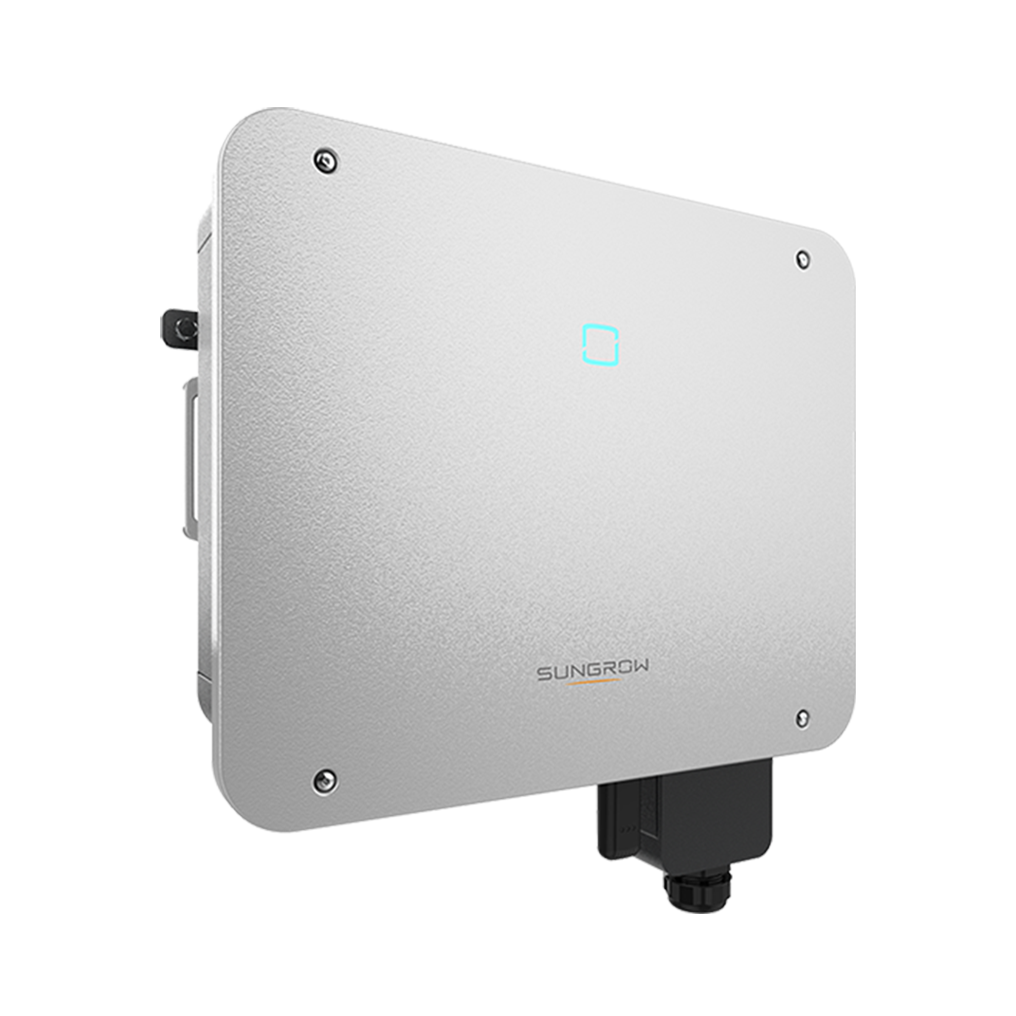
Diagnosing the Real Problem
I remember standing on a blistering flat roof in Phoenix in June 2021—156 kW of panels, a 150 kW PV array, and an underperforming inverter showing a consistent 8% energy shortfall; what steps would actually stop the bleeding and restore yield? That string inverter had become the site manager’s worst enemy (fault codes that read like a foreign language). I’ve worked in B2B supply for over 15 years, and I’ll tell you straight: the usual “swap-and-pray” approach fails more often than it helps.
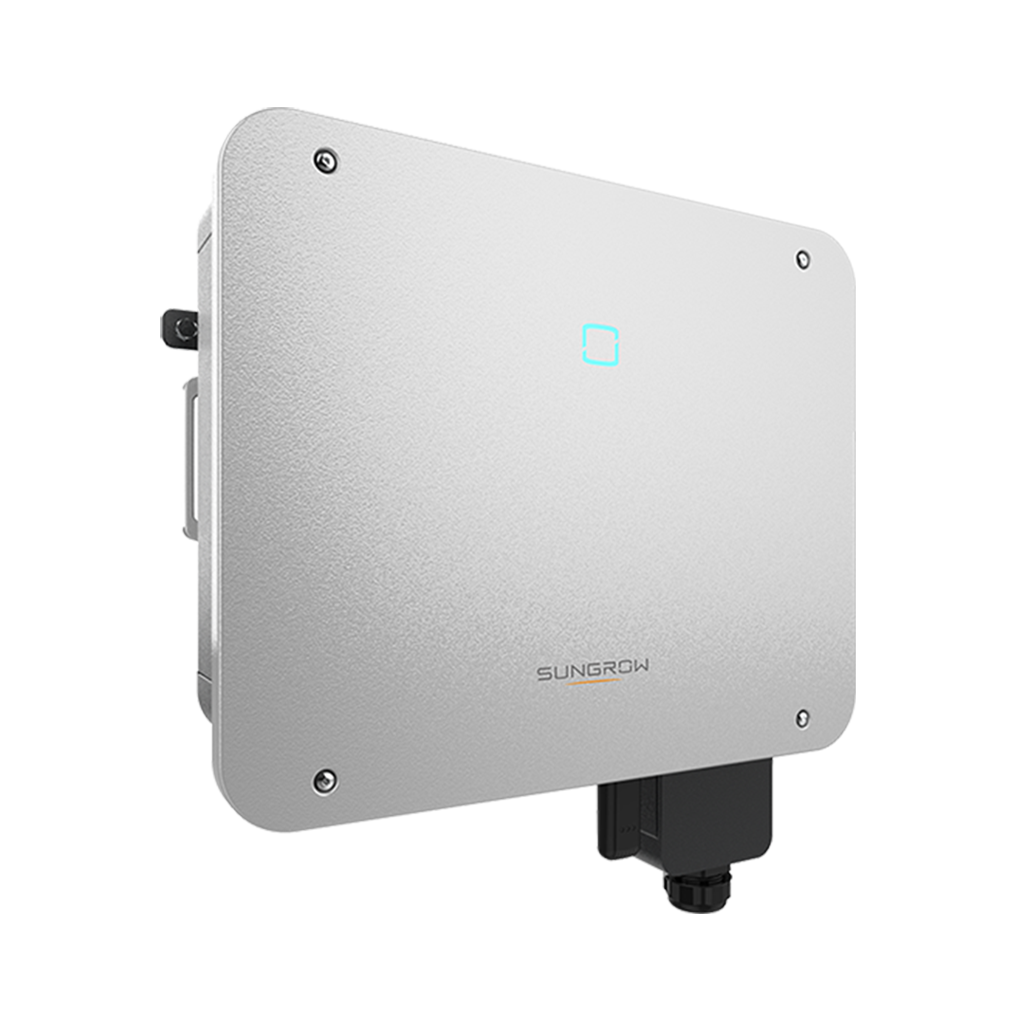
I installed a Sungrow SG125CX on that roof after a week of troubleshooting and we recovered about 8% production within three weeks—because I refused to treat symptoms only. I dug into the MPPT logs, examined mismatched strings, and checked DC cabling for voltage drop and loose lugs. Traditional fixes often miss three hidden pain points: opaque fault reporting that delays repair, improper DC-AC string sizing that causes clipping, and deferred firmware updates that hide efficiency losses. These are the kinds of details operators miss when they rely solely on blanket warranties or generic replacement—I’ve seen the paperwork (and the angry emails). The immediate rule I follow: verify PV array balance first, then the MPPT behavior, then the grid-tie handshake. —That sequence saves weeks of downtime. Now, onto what actually prevents repeat failures.
Forward-looking Remedies and Metrics
What’s Next?
Switching from firefighting to design-first thinking means adopting measurable upgrades. I recommend three concrete moves: enforce remote telemetry for every solar string inverter so you see MPPT anomalies in real time; right-size DC string configuration to avoid clipping under common irradiance patterns; and insist on routine firmware verification during commissioning. I’ve compared older grid-tie installs to newer ones and the difference is stark—real-time telemetry cuts diagnosis time by days. Hold on—this isn’t theoretical: on a retail rooftop in Tucson we reduced service calls by half simply by enforcing a commissioning checklist and telemetry baseline.
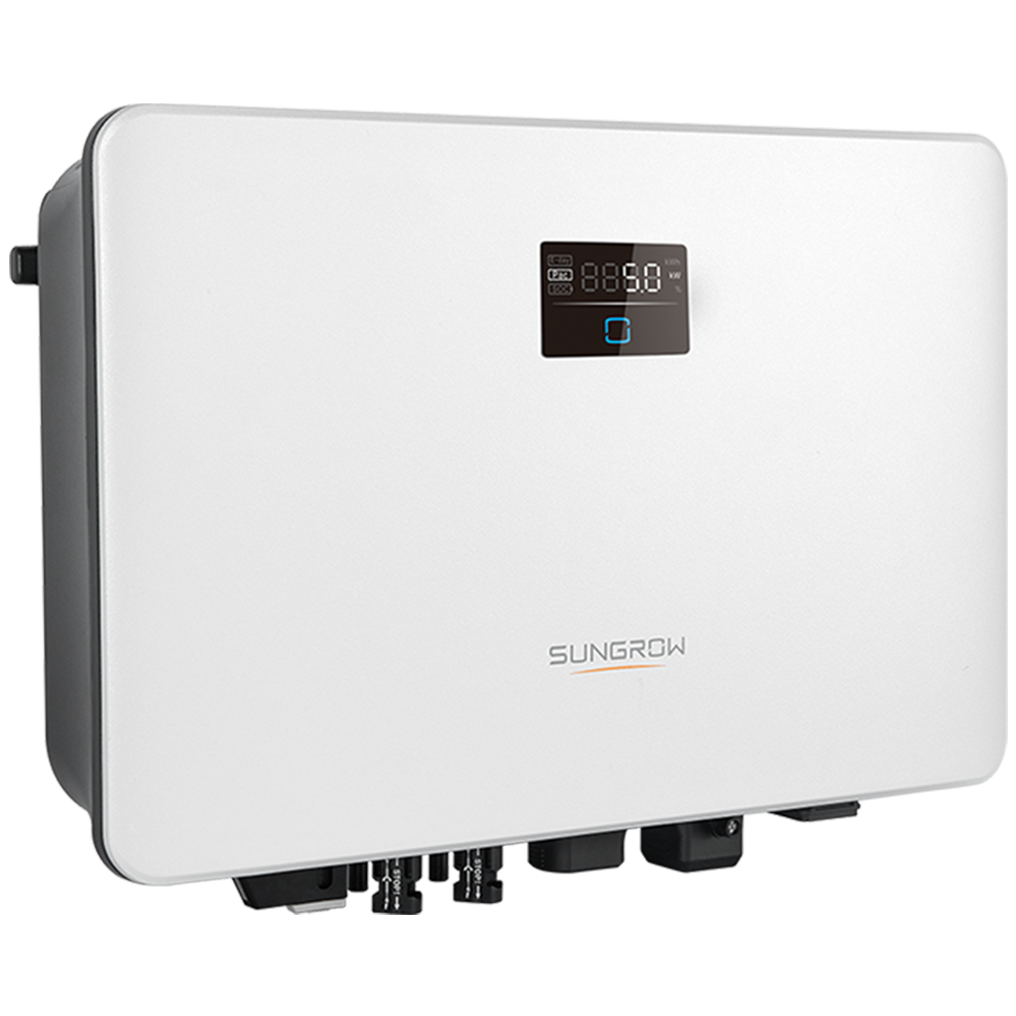
Look for inverters that provide clear event logs, accessible system snapshots, and thermal performance curves. I weigh three evaluation metrics above all when advising clients: MPPT responsiveness under partial shade (how fast it reacquires max power), telemetry completeness (data points per minute and remote access), and long-term thermal derating (actual output vs. published curves). These metrics tell you whether a product will perform in the messy real world, not just on a lab sheet. Wait—measure, then buy. I still recommend checking models against real-site data; that’s how I saved a distributor $12,000 in unnecessary replacements last quarter.
To close: choose solutions that make faults visible, fixes testable, and performance repeatable. My three quick evaluation metrics to carry with you: MPPT tracking accuracy, telemetry and firmware support, and thermal/derating transparency. I speak from installs, invoices, and late-night troubleshooting calls—this is how we stop the drip and seal the leaks. For proven product options and reliable tech, check resources from sungrow.