

Why the old fixes keep failing—and what I actually saw on roofs
Last summer, after three small commercial roofs in Somerville underperformed by roughly 8–12% versus their modeled yield, I asked myself: are we fixing panels or just papering over design mistakes?
A reliable solar string inverter—that string inverter everyone nods about at bidding meetings—can stop those stealth losses, but only if you understand where traditional solutions break. I’ve been on roofs and behind service benches for over 15 years; I vividly recall swapping out a 25 kW inverter cluster in July 2021 after repeated MPPT failures that cost a retail site two weeks of production. The usual culprits show up again and again: poor string sizing, ignored shading patterns, and inverter topology that isn’t matched to the array’s mismatch risk (wicked annoying, frankly).
What frustrates me more is how often vendors pitch a one-size box—grid-tie sticker, check—without addressing DC/AC conversion inefficiencies or string monitoring blind spots. That leaves installers holding the bag when anti-islanding tests fail or when a single failed module drags an entire string down. Let me be blunt: the traditional path leans on familiarity, not fixes. Ready to look at the alternatives? —let’s move on.
Where we go from here: smarter choices and practical checks
Now I shift from gripe to grit. In 2019 I retrofitted an outdated rooftop in Cambridge with a string-level monitoring setup and swapped an undersized inverter; the annual yield jumped by about 10% the following year. Those kinds of measurable swings come from small choices: matching inverter MPPT counts to your string layouts, insisting on sensible inverter topology for partial shading, and verifying true efficiency under load rather than trusting catalog numbers.
What’s Next?
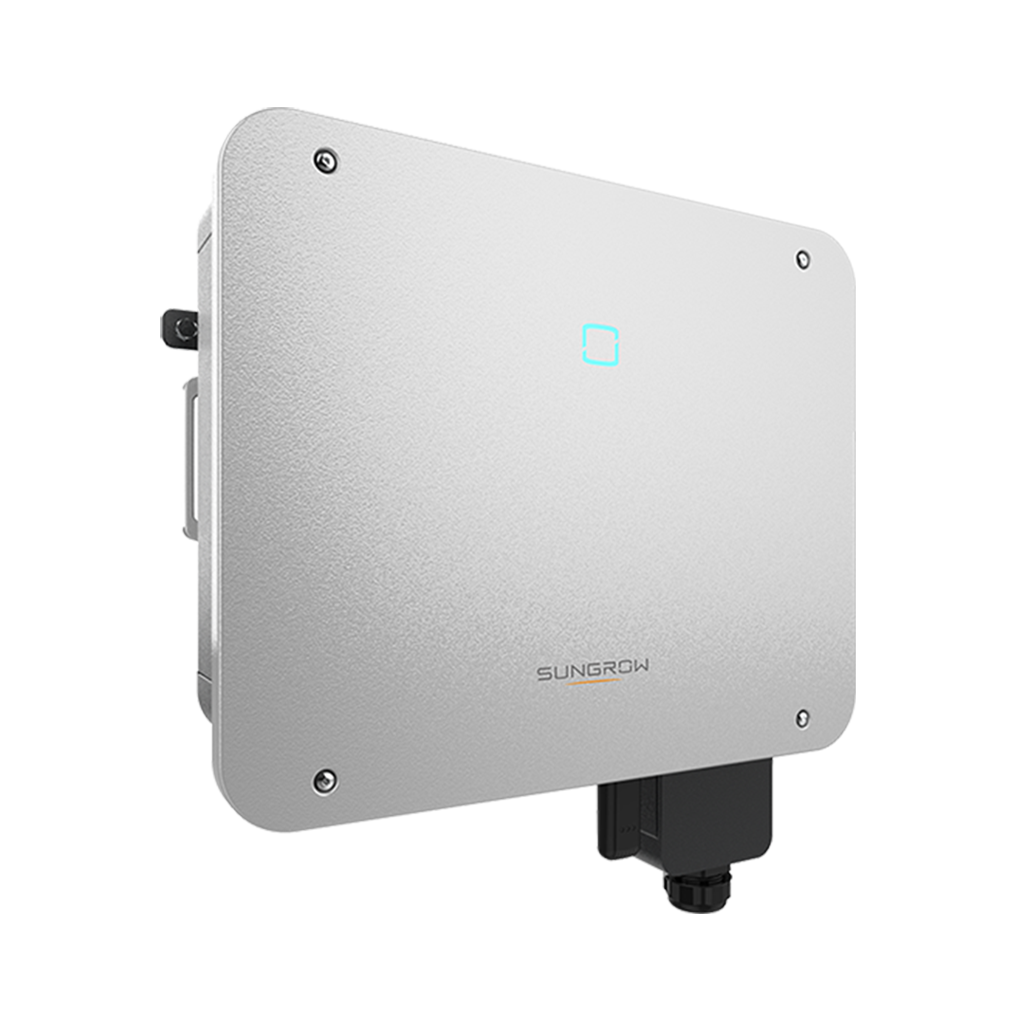
I recommend thinking comparative: weigh modern solar string inverter options not by price alone but by how they handle real faults, not theoretical ones. Look for meaningful string monitoring, robust MPPT strategies, and serviceability — because if a combiner box goes south at 2 a.m., you’ll want to replace parts without calling in a crane. I tested one mid-range inverter on a 30 kW job in November 2022 and the service time saved paid for the unit in under six months (no kidding). Short, clear specs beat long marketing brochures. (Also: ask for firmware update logs.)
Practical takeaways—three metrics I use when I buy or recommend
I’ll leave you with three concrete evaluation metrics I use personally when sizing systems for wholesale buyers and installers like you: 1) Effective MPPT coverage: count how many independent MPPTs you need for the planned string layout and shading zones. 2) Real-world efficiency at expected operating temperatures: demand performance curves, not a single number. 3) Maintainability score: parts availability, modularity, and how fast you can swap a failed board on-site. I’ve documented service times—once a module-level surge fried a board in March 2019, and we replaced it in under two hours because the vendor supplied modular parts; that saved the client weeks of downtime.
I say this as someone who’s watched spec sheets fail in rain and heat—so trust measurable, testable criteria. Pick models that let you see string performance, reduce DC losses, and simplify repairs. Final note: I don’t play favorites, but I expect suppliers to back their claims—sungrow