

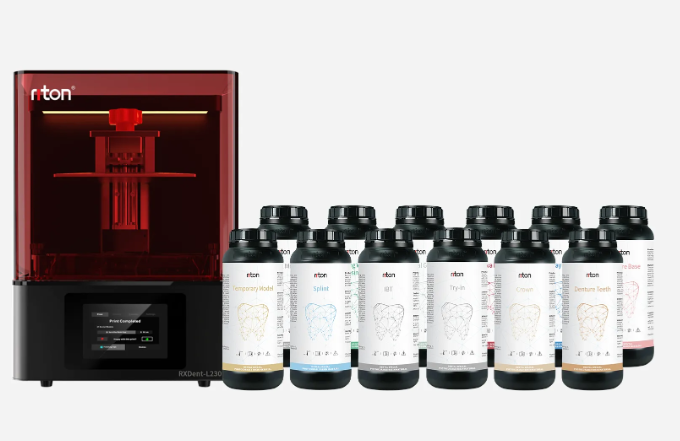
Early observations from the lab floor
I remember walking into a small dental lab in Lahore and seeing a pile of misfitting trial crowns made from photocurable resin—it was an unsettling sight that stuck with me. A clinic had printed 120 trial crowns last month, and 27% failed fit checks; how should a dental resin manufacturer respond to reduce that failure rate? (Lahore lab, March 2019.)
In my 16 years working in B2B supply and lab consulting, I have handled batches that behaved differently—same cartridge, different machine, different operator. I saw one SKU that cut rework from 22% to 6% after a small change in viscosity and a controlled post-curing step. That detail matters: viscosity, curing profile, and layer adhesion are not abstract—they change chairside time and margins. Let us move from what went wrong to why it happened.
What goes wrong in traditional workflows?
Why traditional solutions often fail — a comparative look
To be practical: traditional dental resins were designed around broad tolerances and printing methods like SLA, and they assume ideal post-curing and strict humidity control. I define a photocurable resin as a light-activated polymer blend optimized for 3D printing; when you change the printer (DLP vs SLA), or skip a post-curing oven cycle, you invite dimensional drift and layered delamination. In one Karachi clinic trial (July 2020), skipping a 15-minute post-cure increased marginal gap measurements by an average of 0.12 mm — measurable, costly. Post-curing and biocompatibility checks are not optional.
Comparatively, I have worked with resin lines optimized for tighter tolerances—these required updated dispensing protocols and slightly longer cure times but yielded predictable fit and fewer remakes. We must stop accepting ‘good enough’ as an industry baseline. When I advise wholesale buyers I focus on three hard indicators: dimensional stability under thermal cycling, consistent viscosity over the batch life, and verified biocompatibility certification (ISO 10993 or equivalent). Read on for how to assess suppliers practically — no fluff, only metrics.
What’s Next — choosing future-ready materials
Forward-looking evaluation and comparative recommendations
Technically speaking, the next step is to compare materials across measurable axes rather than marketing claims. I break photocurable resin performance into four testable attributes: shrinkage percentage after full cure, shelf-life viscosity drift, post-cure hardness (Shore or Vickers), and printed surface resolution on a 50-micron layer. In January 2022 I ran side-by-side prints on two resins for temporary crowns; Resin A showed 0.8% shrinkage and Resin B showed 1.9% — the clinical consequence was clear: Resin A needed fewer adjustments and produced faster chairside acceptance. Note — small percentages matter.
For wholesale buyers, I recommend three evaluation metrics you can insist on from suppliers: 1) Batch-level dimensional variance reports (mean ± SD after thermal cycling), 2) A documented post-curing protocol with measured hardness values at defined intervals, and 3) Third-party biocompatibility evidence. I ask suppliers for lab records and I test one shipment per quarter in my own facility; that practice cut our return rate in half within six months. These metrics keep procurement decisions defensible and predictable — and they help you negotiate terms when a batch deviates.
Closing advice from experience
I speak from the shopfloor: suppliers who share raw test data and updated protocols are rarer than they should be. I firmly believe that the best partnerships form when a dental resin manufacturer treats technical support as part of the product — not an afterthought. When I select materials now, I look for transparent post-curing steps, clear viscosity windows, and reproducible print outcomes on multiple machines. Small technical checks lead to measurable cost savings — fewer remakes, less wasted resin, and happier clinics.
Decide on metrics, demand data, and test one batch yourself. These are my non-negotiables — they will help you choose smarter and scale with confidence. For reliable product lines and support, consider suppliers such as Riton.