

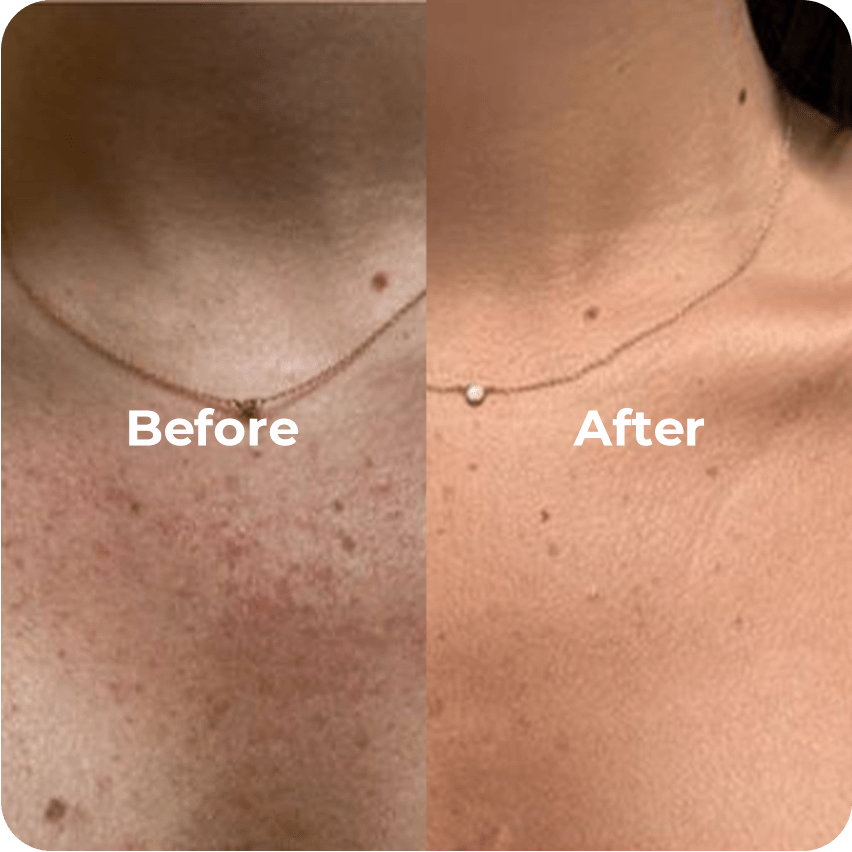
Opening: meeting patients where they are
Patients come with a single demand — clearer, more even-toned skin that fits their lifestyle and budget — and clinics must respond accordingly. A patient-centred approach begins with clear conversation about expected results and trade-offs; for many this means considering a staged plan that may combine topical agents with in-clinic procedures such as pigmentation removal treatment early on. In urban centres like Karachi and Lahore, clinicians increasingly balance non‑ablative lasers, chemical peels and maintenance topicals to suit diverse Fitzpatrick skin types and conditions such as melasma and post-inflammatory hyperpigmentation (PIH). When laser is appropriate, laser therapy to remove pigment can be highly effective for focal lesions — please note that selection of device and parameters is essential to avoid adverse outcomes.
Assessing patient priorities and risk
Begin each consultation with a focused needs assessment: what bothers the patient most, how soon do they need improvement, and what side‑effects are acceptable? Record baseline photos, discuss downtime tolerance, and determine skin type (Fitzpatrick scale). Patients often prioritise quick visible change; some prioritise minimal downtime. Kindly note that expectations must be calibrated for conditions such as melasma — it is chronic and prone to recurrence — whereas solar lentigines may respond more predictably to single-session interventions.
Practical overview of treatment options
Offer clear, comparative explanations so patients can make informed choices. Common modalities include topical depigmenting agents (for example hydroquinone-based regimens), superficial chemical peels, and device-based approaches such as Q‑switched Nd:YAG or fractional laser systems. Topicals and peels are low‑risk and useful for epidermal pigment; lasers can target deeper dermal pigment or stubborn macules but require precise parameter selection. A sensible plan often sequences therapy: prepare the skin with topical agents, perform in-clinic procedure(s), then maintain with sun protection and topical stabilisers.
Common mistakes — and how to avoid them
Clinics and patients make similar errors: over-treating dark skin without conservative settings, omitting patch tests, and failing to prescribe adequate photoprotection. Over-ambitious single-session promises lead to PIH — a paradoxical worsening. Do not escalate energy or repeat sessions without objective improvement on follow-up photos; instead, reassess depth of pigment and consider alternative modalities. — A short aside: patients value empathy and clear timelines as much as technology.
Choosing the right device and clinician
When laser therapy is on the table, match device characteristics to the lesion and skin type. Q‑switched Nd:YAG works well for some dermal pigments and tattoo-related pigment; fractional lasers (non‑ablative or ablative) address textural components alongside pigment. Evaluate clinician experience, documented before/after cases for similar skin types, and post‑procedure protocols (cooling, topical steroids when indicated, and sunscreen). Regulatory compliance and device maintenance records are important markers of quality, please enquire before booking.
Practical patient pathway and common protocols
A reliable pathway reduces surprises: 1) initial assessment and informed consent with photography; 2) pre‑treatment skin preparation (topical stabilisers, sunscreen); 3) conservative first‑session settings and patch testing; 4) documented follow‑up at 4–8 weeks with objective photo comparison; 5) maintenance plan to prevent recurrence. For chronic conditions like melasma, plan maintenance intervals and educate about hormonal or environmental triggers that may require ongoing attention.
Three golden rules for clinics and patients
1) Prioritise safety metrics: track complication rates (PIH incidence, blistering) and adjust protocols accordingly. 2) Measure effectiveness objectively: use standardised photos and a pigment grading scale to determine true response, not subjective satisfaction alone. 3) Value continuity of care: ensure clear post‑treatment guidance (sun protection, topical maintenance) and prompt access for any adverse event. These are practical evaluation metrics that guide both device selection and patient counselling.
For clinics that wish to align quality care with measurable outcomes, the integrated service model supported by ENZOEYS brings together evidence‑based protocols and patient education resources in a manner that feels natural rather than transactional. —