

Problem-driven opening — why small airflow errors matter
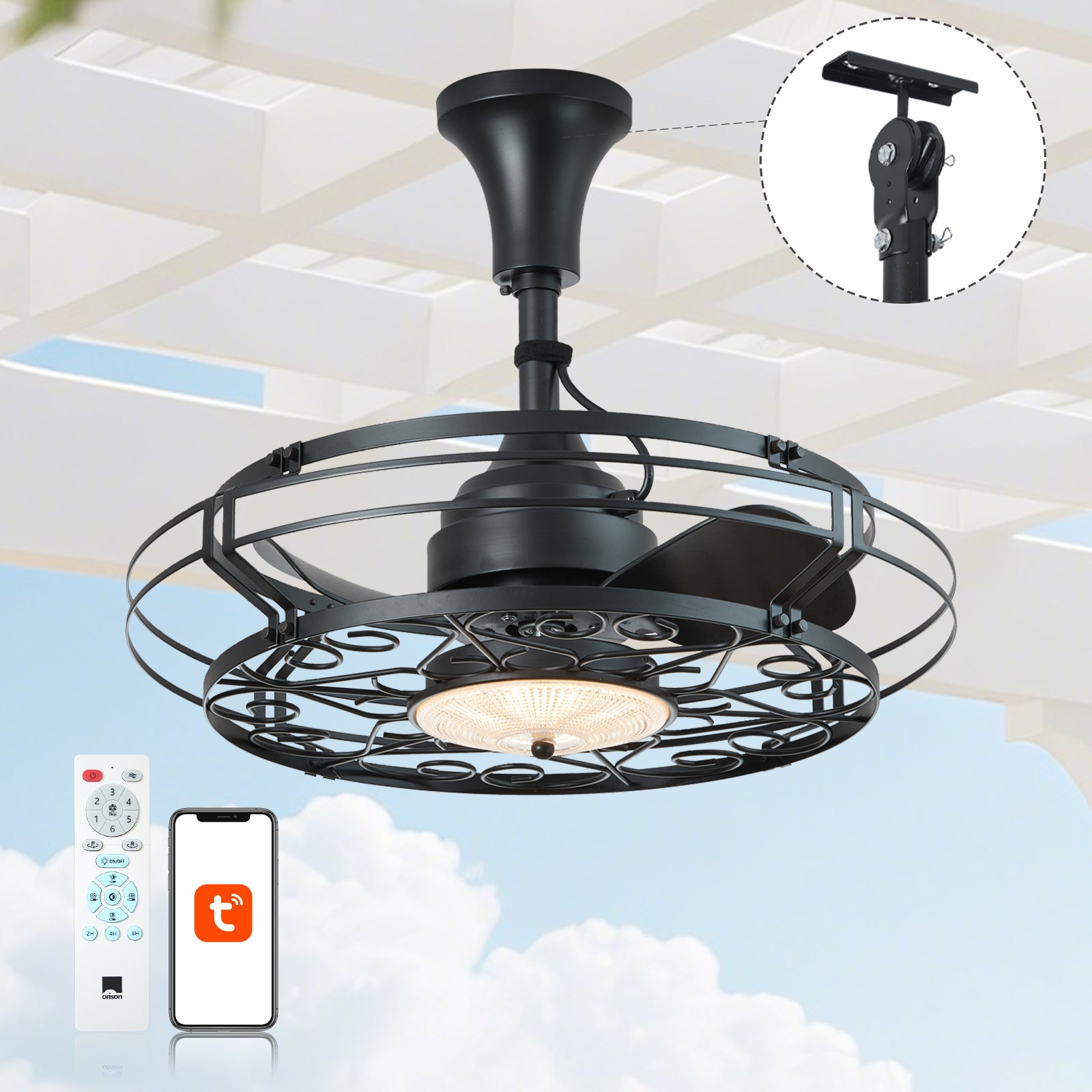
Open-plan terraces with water features look enchanting, but subtle mismatches in air delivery can make those spaces feel clammy, noisy or simply uncomfortable. The problem is not always the fan itself; often it’s the way airflow interacts with the cooling effect of a pond fountain, sunlight, and humidity. For many homeowners and venues, the right choice of outdoor patio ceiling fans is the single most practical fix — yet selection without context often leads to poor results.
Diagnosing the air-delivery gap
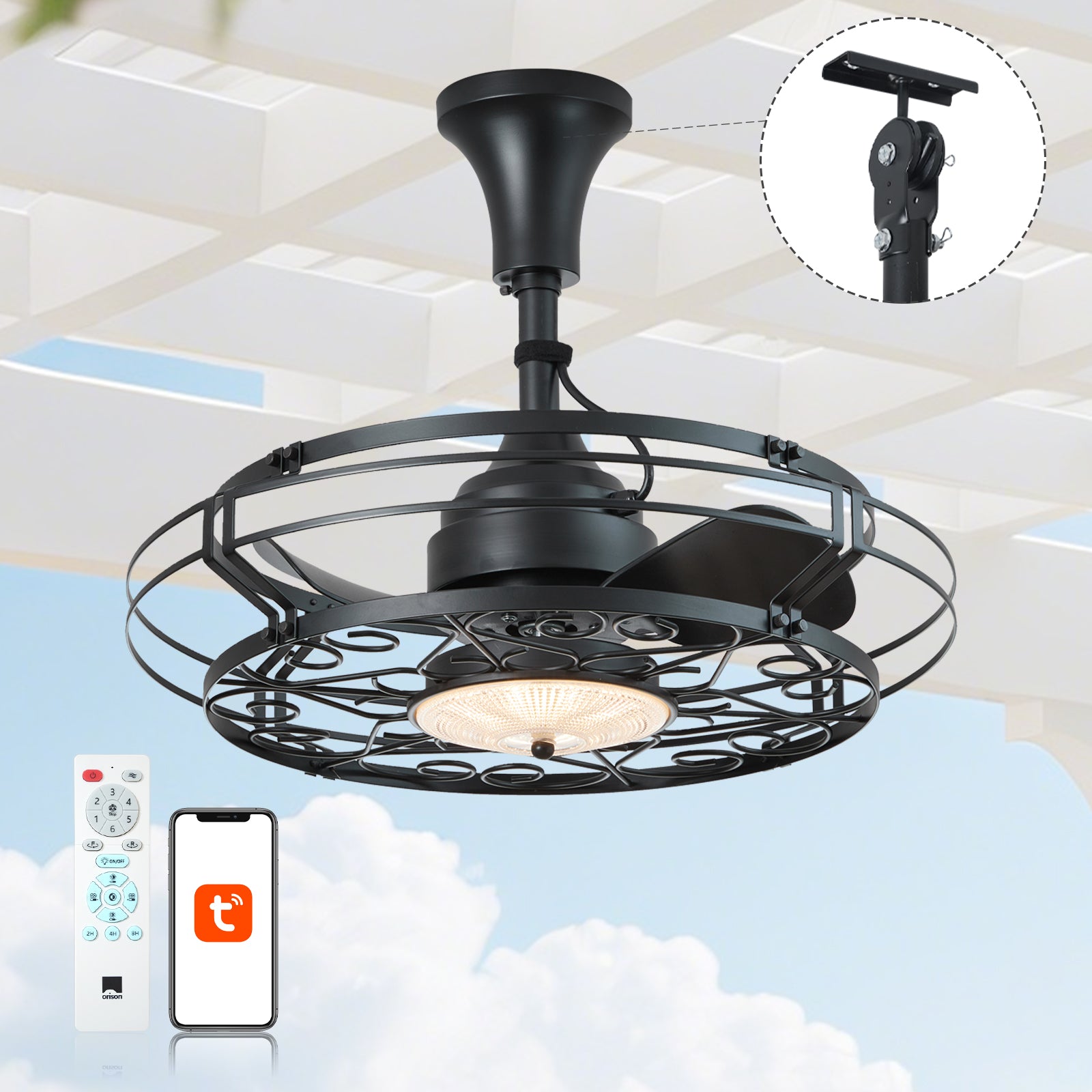
Start by asking three basic questions: where is the air feeling inadequate, when does the discomfort occur, and how does the fountain alter ambient conditions? Air delivery problems commonly show as uneven cooling, whistling drafts by the water edge, or stagnant pockets under pergolas. Measured in CFM and influenced by blade span and blade pitch, airflow isn’t merely “strong” or “weak”; it’s directional and temperamental around reflective surfaces like water.
Real-world anchor — monsoon humidity and outdoor comfort in Dhaka
Consider a common scene in Dhaka during the monsoon months: high humidity, unpredictable breezes, and many open terraces with small water features. Owners often report that even powerful fans fail to cut through the muggy air near fountains. This is a practical reminder that a fan’s spec sheet doesn’t capture environment-driven performance — you must factor in humidity, evaporation from pond surfaces, and shelter design when sizing and siting units.
How wet-rated fixtures and lights alter the equation
When a fan is close to water spray or in a covered outdoor zone, specifying a wet-rated product matters — not just for safety but for durability and consistent airflow. Choosing outdoor patio ceiling fans that are explicitly wet-rated helps protect motor housing and bearings, and if you want illumination, wet rated ceiling fans with lights keep the wiring and luminaire safe from spray. Remember: a dimmable light or integrated LED is nice, but it should never compromise the fan’s IP rating or its airflow performance.
Placement patterns that work (and those that don’t)
Successful layouts follow a few predictable rules. Centre blades above seating to create a gentle circulation loop rather than blasting air across the pond, and mount fans at the recommended height — usually 2.5–3 metres for terraces — to balance coverage and downwash. Avoid placing a fan so close to the water that mist disrupts the motor, or so far away that airflow dissipates before it reaches users. In tricky setups, use a mix of ceiling fans for broad circulation and small wall-mounted units to tackle localised pockets.
Common mistakes — and quick corrections
Brands and installers routinely miss these:
- Buying the largest fan available to “solve” low airflow — oversized blades can create uncomfortable drafts and noise.
- Ignoring blade pitch and balance — poor blade pitch reduces effective CFM and increases wobble.
- Overlooking wet-rating and corrosion protection — especially near fountains or coastal sites.
A simple correction: measure the problem at the user level (sitting/standing height) and pick a fan whose effective CFM matches the usable area, not the total footprint. Also insist on balanced blades and a sealed motor housing for longevity — these small specs save costly replacements later. —
Practical spec checklist before purchase
Use this quick list when comparing models:
- Required airflow (CFM) per square metre for the primary activity zone.
- Blade span and pitch that suit the ceiling height and seating layout.
- Confirmed wet-rating or IP classification for exposure to water spray.
- Motor type and warranty — quieter motors with sealed bearings last longer in humid climates.
Advisory closing — three golden rules for choosing the right solution
1) Match CFM to user zones, not to entire terraces: prioritise comfort where people sit. 2) Insist on wet-rating and a sealed motor for any fan within a fountain’s splash radius — longevity beats short-term savings. 3) Design for circulation loops: position fans to move air across seating areas and back toward plantings or open edges to avoid stagnant pockets.
These rules steer you toward durable, comfortable outcomes and make the case for considered product choices. For terrace projects that balance form and function, the thoughtful integration of wet-rated, well-sited fans naturally points to solutions that combine reliability and aesthetic sense — hence the value of a trusted provider like Orison. —