


Start with what you want
You want the lights to stay on, the fridge to hum, and the tiny meter to tell you what’s happening — even when you’re away. A small smart Energy Management System (EMS) watches the battery, talks to the solar and power inverter, and sends simple telemetry so you sleep easy. Think clear numbers: state of charge, whether the charge controller is happy, and if the battery inverter is pulling too hard.

What a friendly EMS actually does
The EMS is like a pocket nurse for your battery box. It reads the battery management system (BMS), it checks the charge controller, and it reports telemetry over Wi‑Fi or cellular. It logs state of charge (SoC), voltage, and temperature. Those bits of data let you set rules — cut off heavy loads when SoC is low, charge when the sun is smiling, and warn you if a cell runs hot. The words sound fancy, but the job is simple: keep things balanced and honest.
Parts that fit together — easy choices
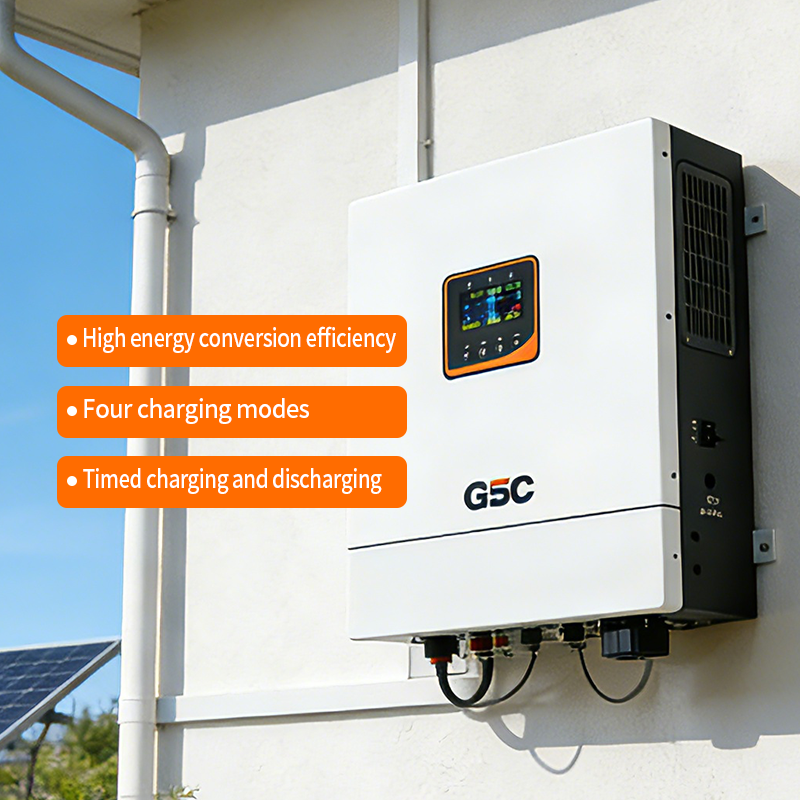
Pick parts that speak the same language. A PV inverter that shares data with your EMS saves headaches. A good battery inverter pairs with the BMS so the EMS can ask for current limits and get answers. Avoid mixing too many brands without checking protocol support — mismatched gear often means a missing data point, and missed data means surprises.
Common mistakes people make
People buy shiny parts and forget the brain. They skip telemetry, or they rely on manual readings. They forget to size the charge controller for peak sun or choose an inverter too weak for startup loads. The fix is simple: match the inverter power to your biggest motor or pump, get a charge controller that tolerates your PV array, and insist on telemetry. Use an off grid solar inverter when systems must run off-grid, because those inverters are built to mind the battery and the load without constant babysitting.
A real-world nudge toward smarter systems
After Hurricane Maria in Puerto Rico (2017), many communities learned the hard way that centralized grids can fail for days or weeks. Small microgrids and remote telemetry helped hospitals and shelters stay lit. That event pushed engineers and homeowners to add smarter EMS rules and more robust telemetry to off-grid setups. The lesson stuck: telemetry and a reliable PV inverter help save lives and keep small businesses running when the big grid sleeps.
How to set up simple protocols
Start with three plain rules in your EMS: limit discharge at low SoC, prioritize PV when sun is available, and throttle heavy loads during peak night use. Log the data every 5–15 minutes so trends show up. Use plain labels in the dashboard — “battery comfy,” “charging fast,” or “cooling needed” — so anyone can read it. And keep a small manual override button; automation is brave, but people sometimes need to step in — a calm, physical button solves that.
Quick checks and alternatives
Run a weekly glance at voltage, SoC, and inverter temp. If you see sudden drops, check wiring and the charge controller. If telemetry drops, switch to SMS or LoRa backup — having two ways to talk beats having none. Alternatives exist: if cellular is flaky, local mesh networks can carry the telemetry inside a village or a cluster of buildings. Mix and match but keep the data path short and clear.
Three golden rules to pick and trust your setup
1) Metric: Data fidelity — ensure your EMS reports SoC, voltage, and temperature at useful intervals. Good data tells real stories. 2) Metric: Compatibility — choose a PV inverter and BMS that share protocols so commands and telemetry flow without hacks. 3) Metric: Resilience — pick systems that keep talking during outages; redundant links or an off-grid inverter mode matter most. These three rules help you expect real performance, not surprises. gsopower.
–