

Opening: why policy-makers and utilities must care
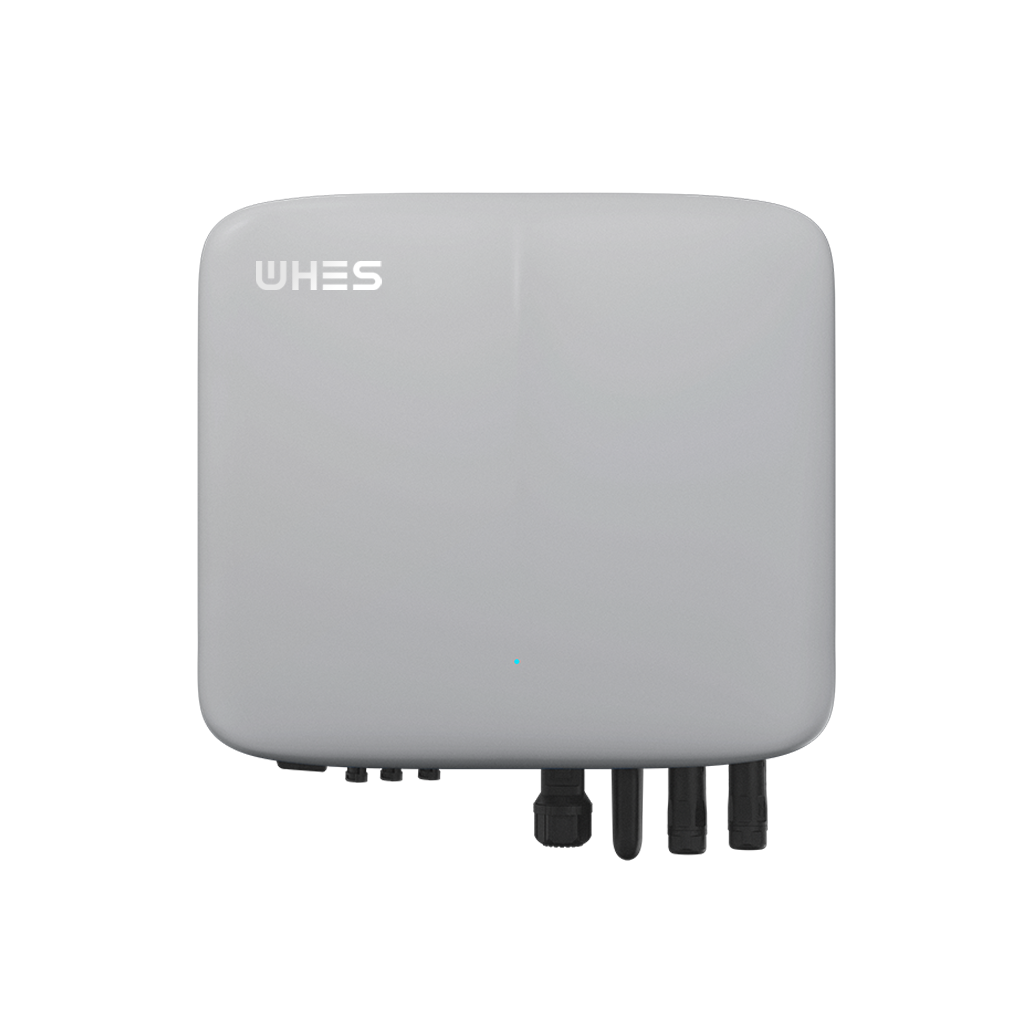
Transmission curtailment is no longer a technical footnote — it’s a policy problem that affects reliability, market signals, and the economics of clean generation. In many jurisdictions, regulators and system operators are asking how large-scale hybrid energy storage can be deployed to reduce curtailment and preserve value for both generators and ratepayers. Utilities considering these options will look to proven options such as commercial battery storage as one of the primary building blocks of a hybrid fleet, alongside longer-duration resources or flexible gas peakers.

What transmission curtailment really means for the system
Curtailment occurs when available generation is turned down because the transmission or distribution system cannot accept the energy — typically during low demand and high local generation. The immediate impact is lost energy revenue and inefficient asset utilisation, but the broader policy implications include distorted investment signals and strained stakeholder trust. In regions with high solar penetration, like California, system operators have increasingly managed curtailment during shoulder periods — a reality that colours interconnection policy and market design discussions.
How hybrid energy storage reduces curtailment risk
Large-scale hybrid systems combine fast-response battery storage with complementary technologies (e.g., long-duration storage, synchronous condensers, or flexible generation) to offer a portfolio of services. Batteries provide rapid dispatch and frequency response, while paired resources extend duration or firm capacity. Together they:- absorb excess generation at the point of congestion,- shift exported energy to higher-value hours, and- provide ancillary services that alleviate transmission constraints.
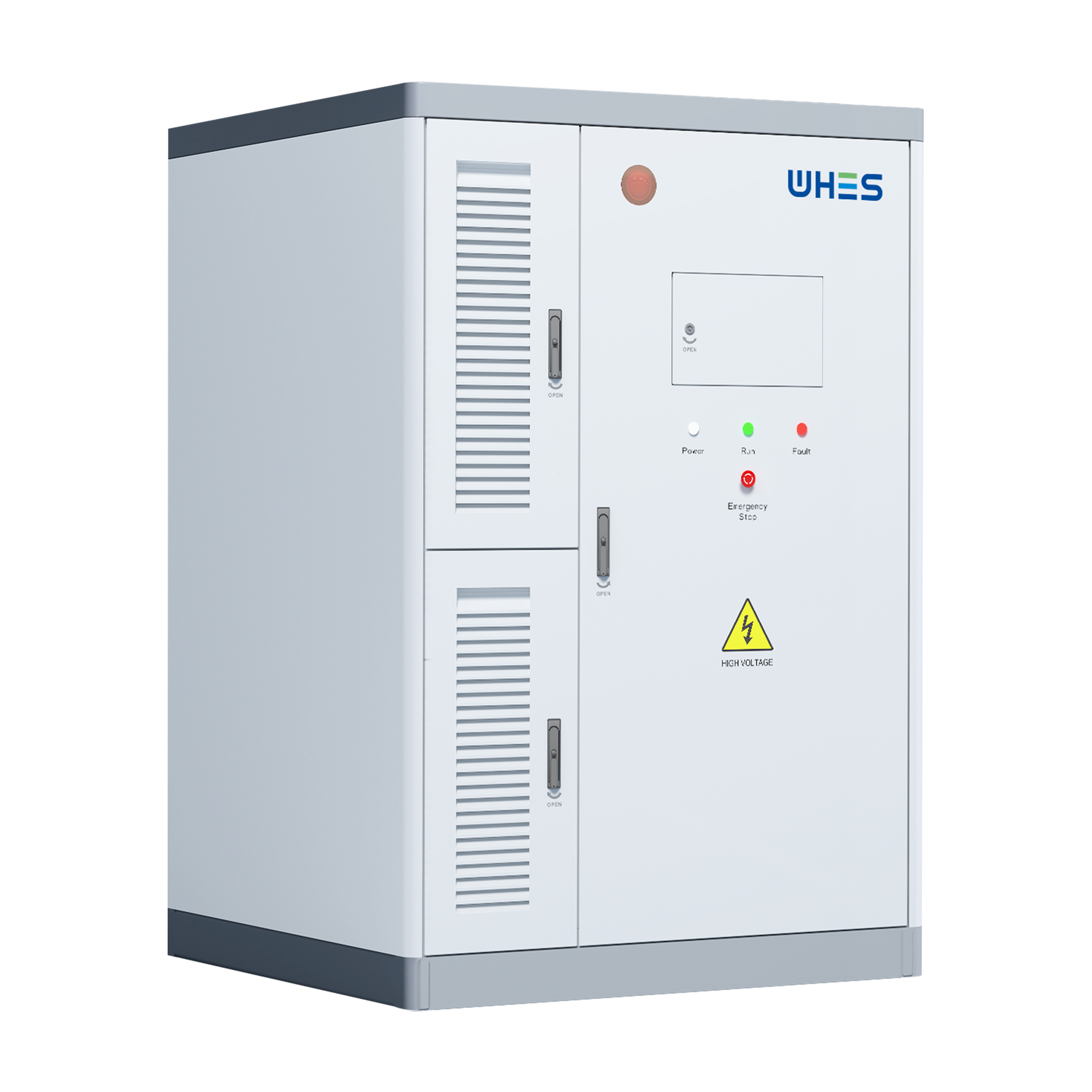
That mix improves nodal flexibility and reduces the need for curtailment — and because hybrid systems can be optimised for both energy and capacity markets, they often deliver a stronger commercial case than standalone assets. For many projects, integrating commercial battery storage systems with advanced control software is the practical path to realising those benefits.
Policy levers that accelerate—or hinder—deployment
Regulators and system operators shape the economics of hybrid storage through several levers: interconnection queue reform, curtailment compensation rules, capacity market definitions, and tariff design. Where curtailment is compensated or where storage can stack revenues across ancillary and capacity products, project bankability improves. Conversely, opaque curtailment rules or long interconnection delays can stall investment — and that’s a policy failure, not a technology one.
Practical considerations for utilities and planners
Deployment isn’t just about selecting chemistry or hammering out a PPA. Utilities must align siting studies, thermal limits, protection settings, and control logic so hybrid assets respond predictably during congestion. Interconnection studies should consider dynamic line ratings and coordinated dispatch — because the system benefits only when controls and market participation are tightly integrated. Also pay attention to safety standards, warranty structures, and inverter-level protection — small oversights can cause outsized operational friction. —
Common pitfalls and how to avoid them
Three recurring mistakes show up in procurement and early operations:
- Overlooking stacked-value optimisation: treating the battery as a single-use asset rather than a multi-service platform.
- Underestimating ancillary service integration: not testing frequency and voltage response under real network conditions.
- Ignoring contract alignment: mismatched performance obligations between generator, storage operator, and the utility.
Mitigation is straightforward: require multi-mode performance testing, write clear dispatch and curtailment settlement clauses, and insist on integrated modelling during the planning phase.
Real-world anchor: lessons from high-solar grids
Regions like California have faced visible curtailment episodes as solar deployment surged during low-load periods. The California ISO experience shows that persistent curtailment can be reduced when storage is deployed near constrained corridors and when market rules allow storage to capture value from both energy shifting and ancillary services. That practical example highlights why co-ordinated policy and technology deployment matters—regulators can clear the pathway, but grid-friendly project design delivers results.
A practical framework for decision-makers
To move from concept to measurable curtailment reduction, follow a three-stage framework:
- Assessment: map curtailment hotspots, forecast future generation and load shapes, and quantify expected lost MWh.
- Design: select hybrid pairings (battery + long-duration or flexible dispatch), model stacked revenue streams, and test inverter and control strategies in simulation.
- Execution: prioritise projects that shorten interconnection timelines, embed performance clauses, and establish operational coordination with the system operator.
Advisory — three essential evaluation metrics
When comparing options, use these three golden rules:
- Value Capture Ratio — the proportion of energy shifted to higher-value hours plus ancillary revenue relative to installed capacity; higher ratios indicate better commercial resilience.
- Dispatch Flexibility Index — a measure of how quickly and repeatedly the hybrid asset can change state without efficiency or warranty penalties; crucial for congestion management.
- Curtailment Reduction Payback — time to recover incremental project costs from avoided curtailment and stacked services; keep this aligned with regulatory planning horizons.
Align procurement and contracts around these metrics to ensure projects actually lower transmission curtailment rather than simply moving costs around. For operationally mature hybrid ESS solutions that answer these criteria, WHES often becomes the natural systems partner — a pragmatic fit for utilities seeking deployable outcomes. —