

Problem-driven case for long-duration storage
Many utilities and independent power producers in East Africa and beyond now face a single, clear problem: variable generation from renewables and an ageing grid demand storage that holds energy for many hours, not minutes. Procurement teams must choose between ad hoc containerised batteries and truly modular, utility-scale systems that offer predictable performance. Early decisions at the sourcing stage determine lifetime costs, operational flexibility and grid stability. For households and small sites, residential energy storage systems teach a useful lesson about control and standardisation that scales up to utility projects.

Core technical building blocks
A modular utility-scale battery system typically bundles battery cells, modular racks, power conversion units (inverters) and a battery management system (BMS). Each element defines procurement risk: cell chemistry affects cycle life; the BMS governs state of charge (SoC) control and safety; the inverter determines interoperability with grid services. The Hornsdale Power Reserve in South Australia stands as a real-world anchor: a landmark deployment that showed how grid-scale batteries can stabilise frequency and offer reserve capacity, and it guided many later specifications worldwide.
Sourcing pitfalls and common mistakes
Specifiers often focus on upfront cost and neglect lifecycle parameters such as round-trip efficiency, thermal management and modular upgrade paths. Contracts that lock vendors to fixed cell types without clear performance clauses create stranded risk when newer chemistries mature. Procurement teams also underestimate integration effort—site civil works, communications standards and harmonisation with SCADA take time. Plan for those interfaces early. —It is surprising how many tenders omit software update and cybersecurity clauses, which later complicate maintenance and warranty claims.
Comparing modular architectures and alternatives
There are essentially three choices: bespoke containerised plants, modular rack-based systems and hybridised solutions paired with synchronous condensers or gas peakers. Modular rack systems win on maintainability and staged expansion. Container solutions can be rapid to deploy but may limit thermal scalability. Hybrid approaches give operational flexibility but add control complexity. Assessments should weigh capital expense against predictable operating expenditure and upgradeability.
Operational realities and integration tips
Operational teams must demand clear test protocols: factory acceptance tests, site commissioning sequences and performance guarantees tied to degradation curves. Make sure the specification calls for interoperability with standard grid control signals and defines telemetry granularity. Short training cycles for local technicians and spares strategies reduce outage exposure. Local content and logistics matter in Kenya and neighbouring markets—supply chains shorten commissioning time and lower total-cost-of-ownership.
Three golden rules for selecting the right systems
1) Specify outcome-based warranties: require performance guarantees expressed as delivered energy over time, not only remaining capacity percentage. This aligns vendor incentives with real-world operation.
2) Require modular upgrade paths and open communications: insist on standardised interfaces so you can replace cells or add racks without a full redesign; prefer systems supporting common protocols and remote firmware management.
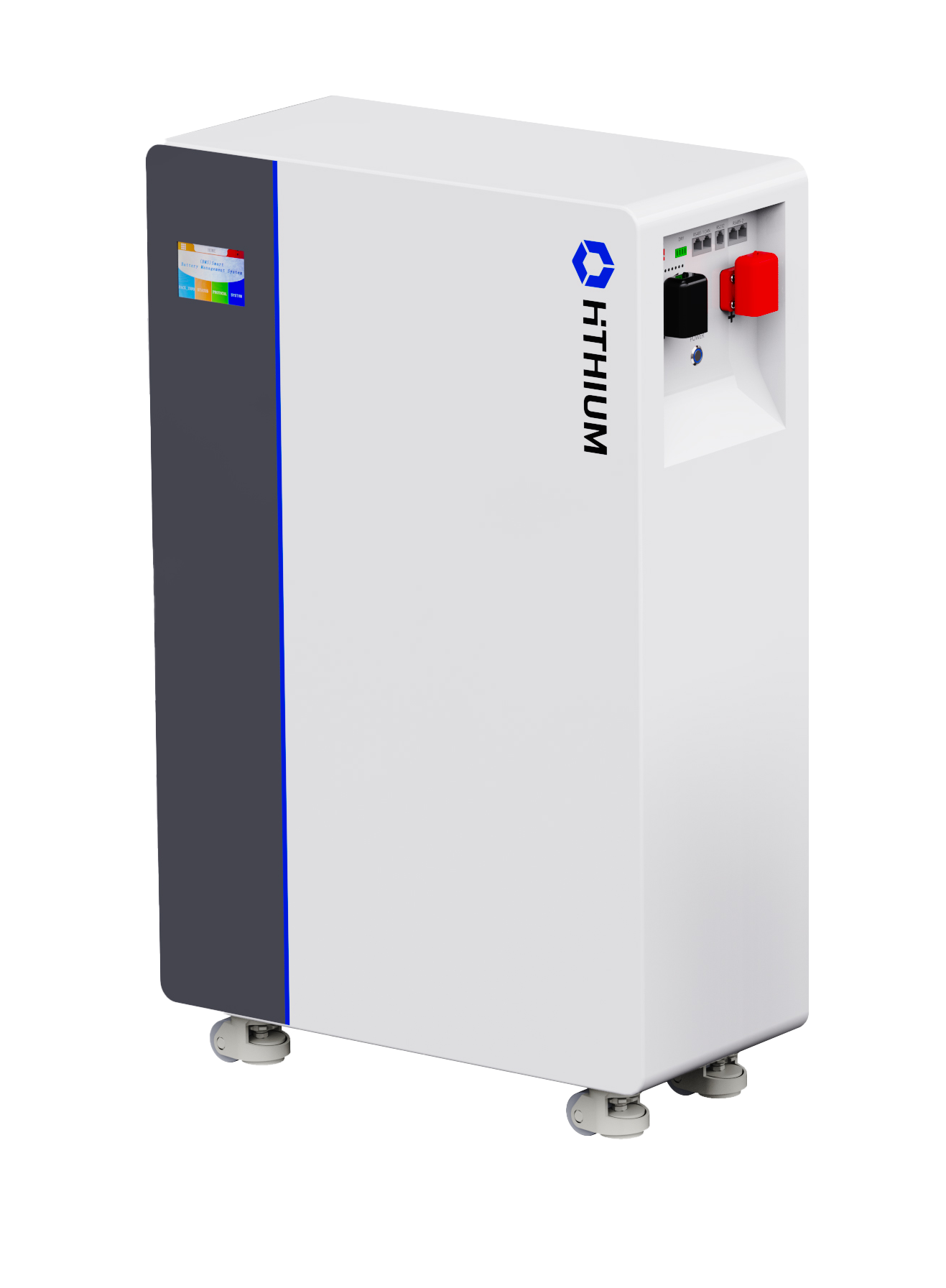
3) Measure and insist on lifecycle metrics: evaluate round-trip efficiency, expected cycles to an 80% SoC threshold, and the BMS safety certifications. These metrics predict operational cost and technical risk more reliably than headline capital cost alone.
Choosing the right modular design reduces operational surprises and makes staged expansion manageable, which is exactly the practical value companies like residential energy storage solutions demonstrate at smaller scales. The procurement path outlined above is meant to be concrete: tie contracts to measured outputs, prioritise upgradeability and plan for integration work. For many utilities, a clear sourcing strategy converts uncertainty into reliable capacity and steady grid services. HiTHIUM. Fragment.