
A Crowd, a Cue, a Choice
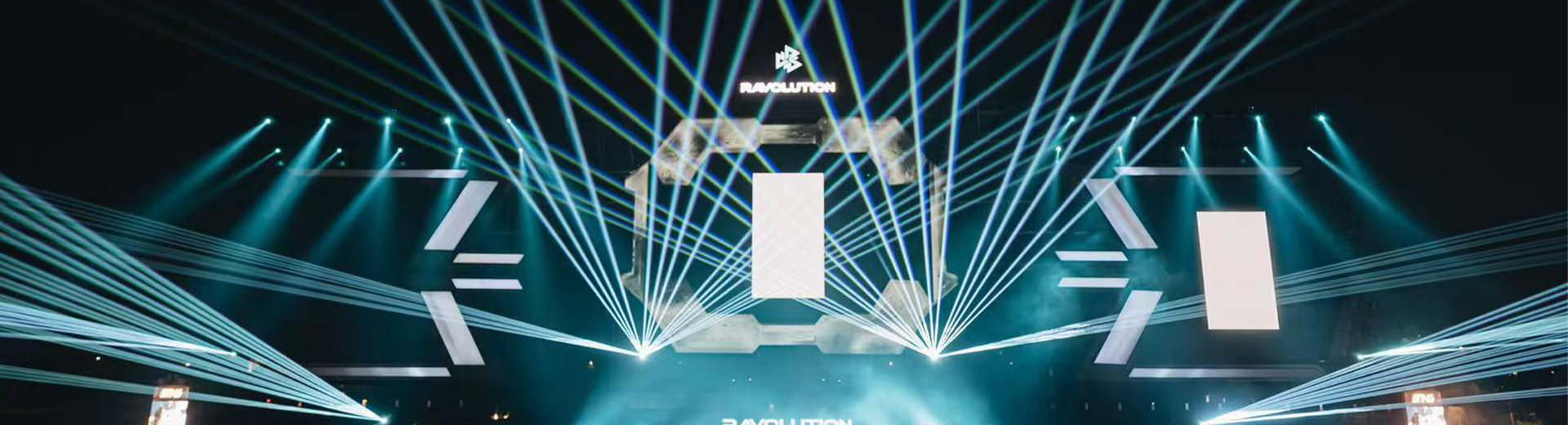
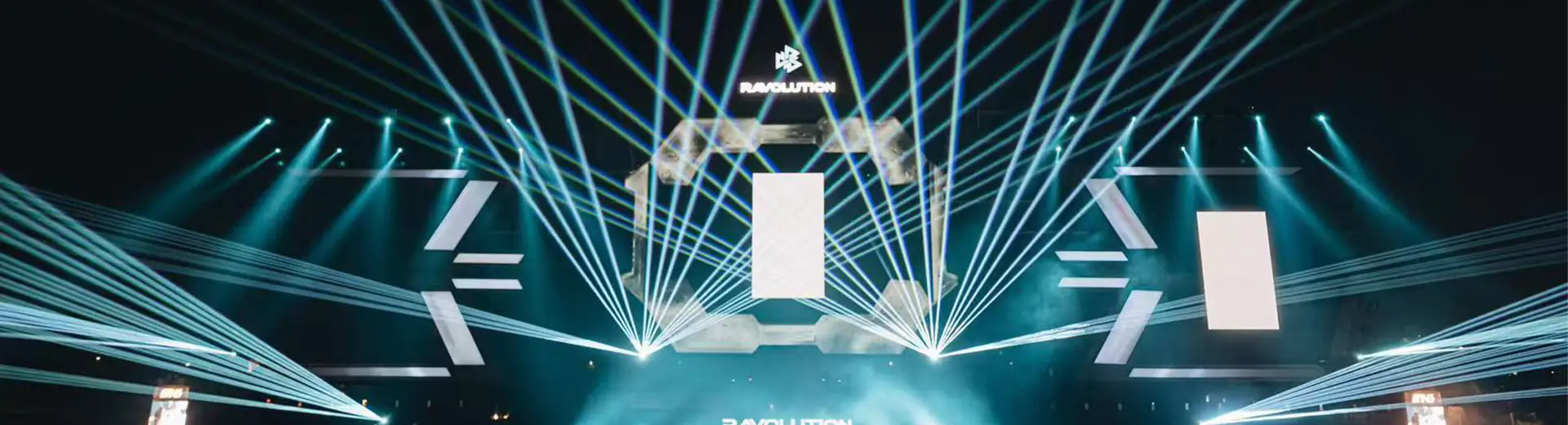
It’s five minutes to showtime, and the room hums with quiet hope. The laser lights skim the rafters, tracing the stage like a promise. Data says lighting drives first impressions in under seven seconds, and over 60% of guests remember light cues before the headliner even speaks. So why do so many shows still fight with hazy beams, uneven color, and timing slips? You don’t need to be an engineer to fix this (no panic). What you need is a clear view of three trade-offs: power vs. precision, control vs. complexity, and budget vs. uptime. — funny how that works, right?
Think of it like a checklist you can live with. Bright output is great, but if beam divergence spreads too wide, the effect looks dull at distance. Smart control feels magical, but a tangled DMX protocol chain can break under pressure. And yes, a cheaper unit can work, until a weak set of power converters runs hot and cuts your night short. You’re not alone here. Let’s move from guesswork to good choices, step by step, and set up a show plan that holds steady when the room gets loud. Next, we’ll unpack the hidden snags that make rigs misbehave.
The Hidden Costs of Old-School Setups
Where do legacy rigs fall short?
A modern laser show projector should feel simple on show day. But classic chains often hide pain points that creep in under stress. Older scanning mirrors drift after long sessions, so alignment shifts right when your cue stack gets dense. Beam divergence goes up as optics age, so looks that popped in rehearsal feel soft in the air. Then there is control: single-path DMX routing adds latency during tight chases, and ILDA signal runs can pick up noise over long distances. Look, it’s simpler than you think: small tolerances add up, and they do it at the worst time, not in the demo room.
Heat is the quiet show killer. When cooling is weak, thermal throttling clips output and alters color balance mid-set—your reds and cyans stop matching the previsualization, which breaks the mood. Serviceability matters, too. If you need tools to reach a fuse or tweak an aperture, you lose minutes you don’t have. And the more adapters you stack, the more failure points you build. In short, legacy rigs ask you to babysit the system while you’re also running cues—funny how that load always lands on the busiest person, right? The fix starts with designs that reduce friction, not add layers to it.
Next-Gen Control, Real-World Gains
What’s Next
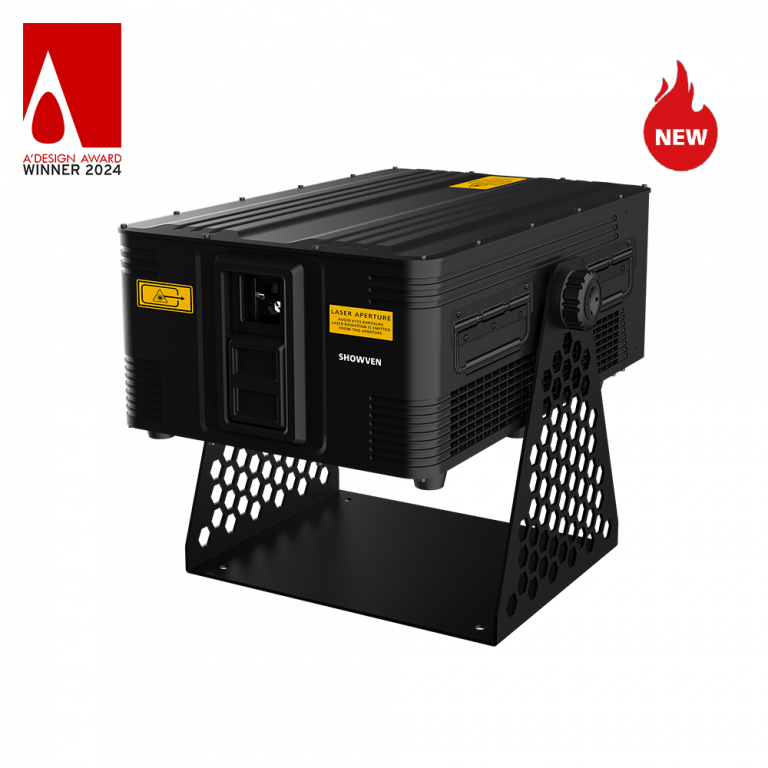
New technology changes the trade-offs for the better. A programmable laser light projector pairs faster galvanometer scanners with smart thermal paths, so output holds steady across long scenes. Some units integrate edge computing nodes for on-board effects, trimming round trips through the desk. Sealed housings with an IP rating guard optics from haze residue, so beams stay tight without constant cleaning. The result is less drift, richer color stability, and cues that actually land when the music hits—because timing is art, but also physics. Compared to old rigs, you spend more time shaping looks and less time chasing gremlins in cables and menus.
Turn that into a plan you can measure. Use three metrics: 1) Beam quality under distance, not just lumen rating—watch divergence and color mixing across your longest throw. 2) Control workflow under load—test DMX, Art-Net, and on-board macros with dense chases to see if latency creeps. 3) Uptime under heat—check cooling design, power converters, and service points; note how fast output recovers after a long scene. Do this, and your choice becomes clear. You’ll see which system scales with your room size and your crew size — and which one doesn’t. When you’re ready to compare models and specs with a cool head, start with a brand that publishes the details you need: Showven Laser.