

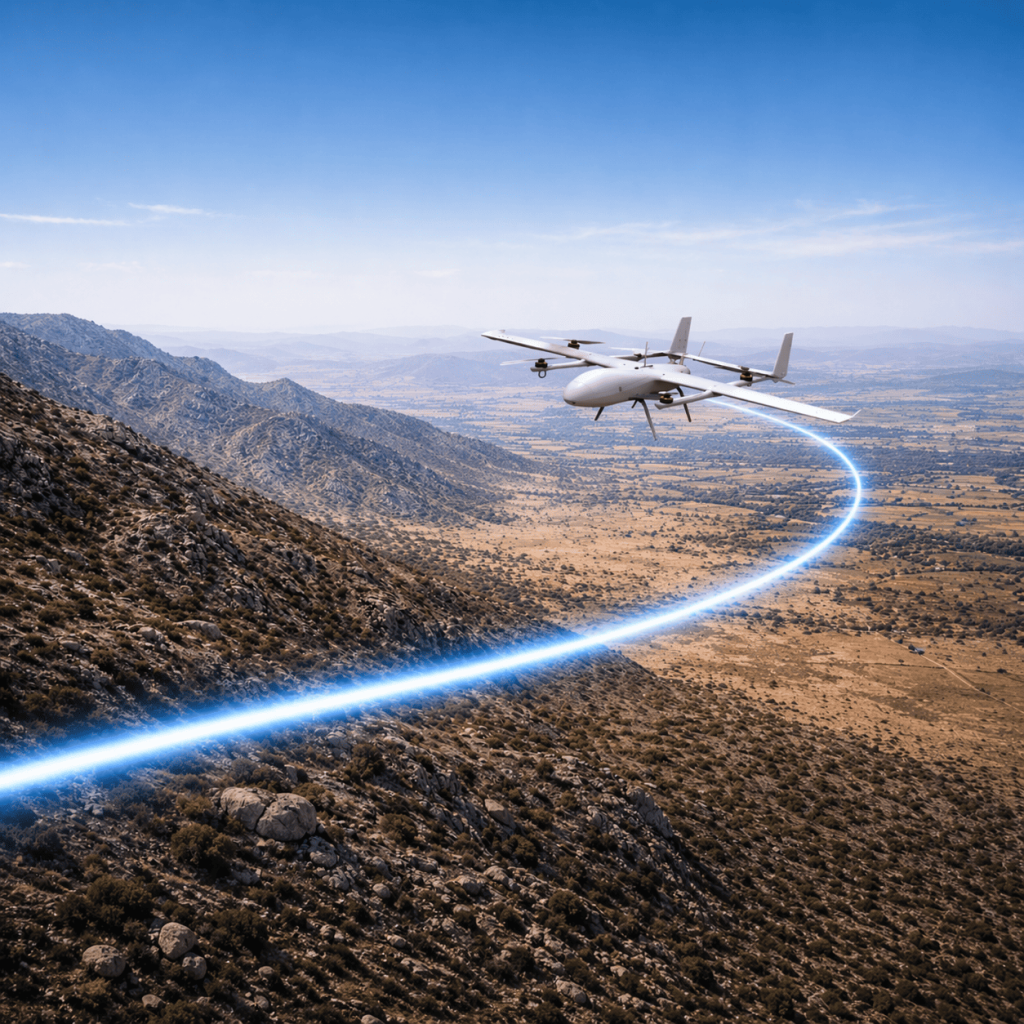
Comparative snapshot: who’s doing what on fixed-wing drone armor
Look, some makers treat STANAG like a checkbox; others build the whole bird around it. The real split is between teams that prioritize lightweight endurance and those that push armor to meet combat-threat profiles. If you’re eyeballing long-loiter ISR runs, you’ll likely lean toward streamlined fixed wing drones with optimized airframes and minimal plating. If missions include low-altitude, contested corridors you might pick a tougher build with onboard ballistic protection and sacrificial fuselage elements.

STANAG compliance: practical reads, not trophy labels
STANAG gets tossed around like candy, but compliance means documented test results and clear threat matrices — not just a vendor claim. Pay attention to which STANAG level the manufacturer references and whether they’re citing live-fire bench tests or simulated assessments. The Ukraine conflict since 2022 really amplified that gap: systems with verified armor and tested payload mounts tended to survive more strike encounters. Endurance, payload, and verified ballistic tests are the triad that separates hype from field-ready systems.
Ballistic protection tradeoffs: weight, aerodynamics, and mission math
Armor adds mass — duh — and mass murders endurance. That’s the core tradeoff. Adding ballistic panels or ceramic inserts can blunt small-arms and shrapnel, but you shave minutes or hours off mission time unless you rework the powerplant or increase fuel. Designers juggle airframe stiffness, center-of-gravity shifts, and payload capacity while trying to keep handling sane. ISR sensors need stable platforms; slap-on armor that vibrates the gimbal and you defeat the whole point.
Manufacturer archetypes and where they fall short
There are three clean archetypes: legacy defense primes, commercial UAV adapters, and startup specialists. Primes bring systems engineering and certified test protocols but move slow. Commercial adapters are fast and budget-friendly — they shine on endurance but often skip rigorous ballistic validation. Startups push innovative composite armor and tailored mounts but sometimes lack scale-tested logistics. Watch for these red flags: absence of ballistic test documentation, unclear mean time between failures (MTBF), and vendor unwillingness to show validation flights — that’s a hard pass. — Also, don’t assume custom armor equals STANAG compliance unless it’s proven.
Common procurement mistakes when hunting a fixed wing drone for sale
Buyers burn cash by over-specifying armor, underestimating integration work, or ignoring EMI with hardened comms. Procurement checklists should include verified ballistic test reports, mission-profile-driven endurance numbers, and supplier traceability for armor materials. For folks sourcing platforms, scan advertised payload capacity versus real-world payload with armor installed — vendors often list one and not the other. If you’re shopping, look at suppliers that publish test matrices and offer modular armor kits so the same airframe can flex with mission needs. Also check logistics: spare parts, repair time, and field-repair procedures — those matter as much as the armor plate.
Three metrics that actually tell you if a system’s legit
1) Verified ballistic test evidence — live-fire or accredited lab results mapped to the claimed STANAG level. This is non-negotiable.
2) Endurance-with-armor curve — a mission planner needs a graph showing endurance at different armor configs and payloads, not a single headline number.
3) Integration and sustainment proof — MTBF data, logistics timelines, and a plan for repairs in-theatre. These three cut through marketing noise and reveal whether the platform will do the job under stress.

Final take and where to go next
Match armor to mission, demand proof, and prioritize modularity so the same platform can adapt from long-endurance ISR to contested-route insertion. For verified specs, vendor comparisons, and emergent hardware briefs, Military Hub lines up the data you actually need — not fluff. Real talk.