

The Hidden Problem of Kitchen Waste Management
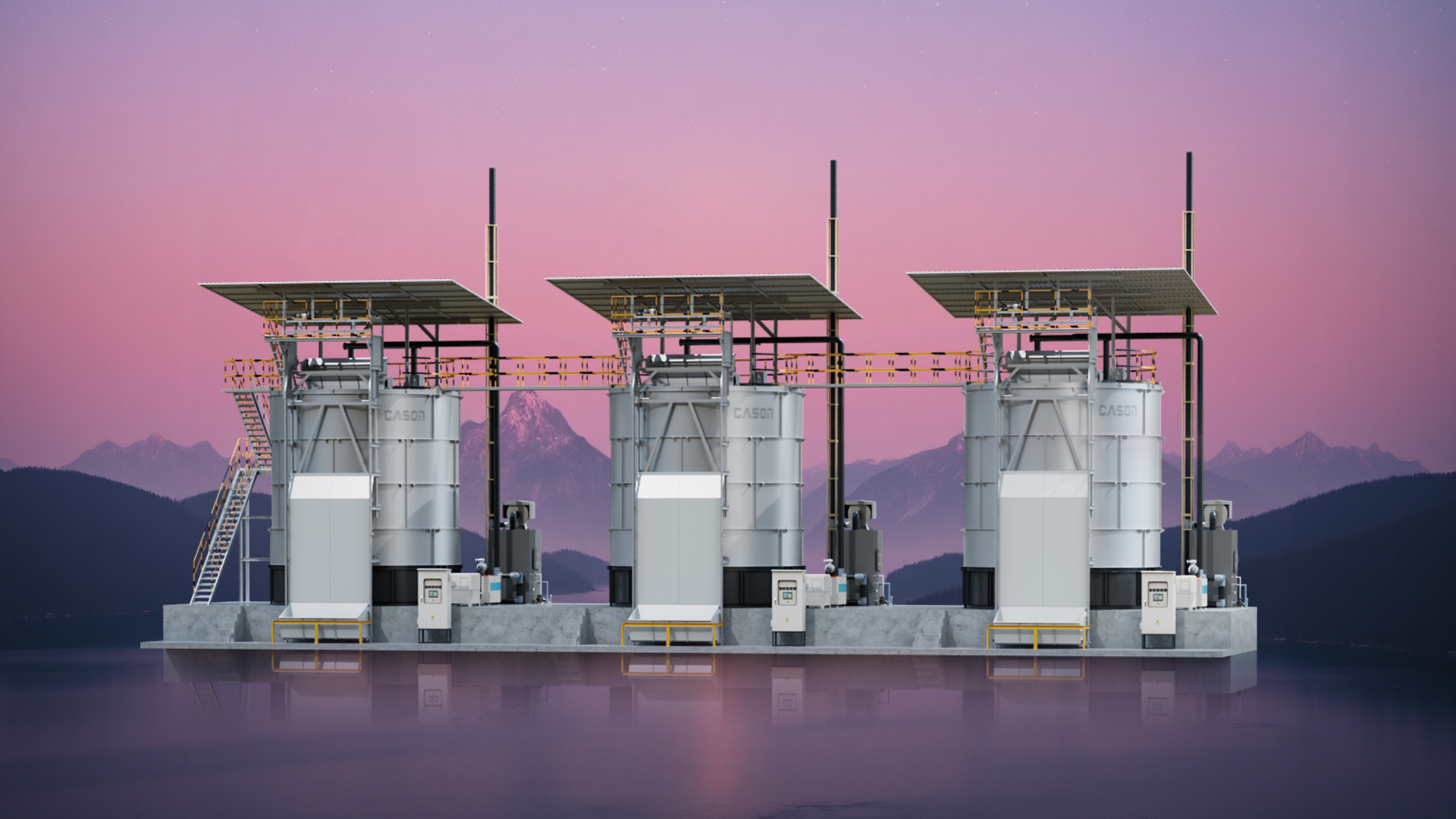
Did you know that nearly one-third of all food produced globally goes to waste? This staggering statistic raises a crucial question: how can we effectively combat this issue? A key solution lies in utilizing a kitchen waste fermentation tank to convert organic matter into valuable resources. Often overlooked, these fermentation tanks can help not only in managing waste but also in creating sustainable food practices.

Understanding the Shortcomings of Traditional Solutions
The standard approach to kitchen waste management often involves composting or incineration, neither of which fully addresses the problem. Composting can be slow and requires specific conditions to thrive, while incineration contributes to air pollution. Enter the kitchen waste fermentation tank—a system designed to quickly break down food scraps into biogas and fertilizer. This method is more efficient and environmentally friendly (win-win!). However, many users struggle to maximize the effectiveness of these tanks, often due to a lack of understanding of their operational mechanics.
How Do Fermentation Tanks Work?
Fermentation tanks utilize anaerobic bacteria to decompose organic material without oxygen. During this process, food waste is transformed into biogas, which can be used for energy, and digestate, which serves as a potent fertilizer. It’s time we start thinking of food waste management as a resource recovery process rather than just disposal.
What Lies Ahead for Food Waste Solutions?
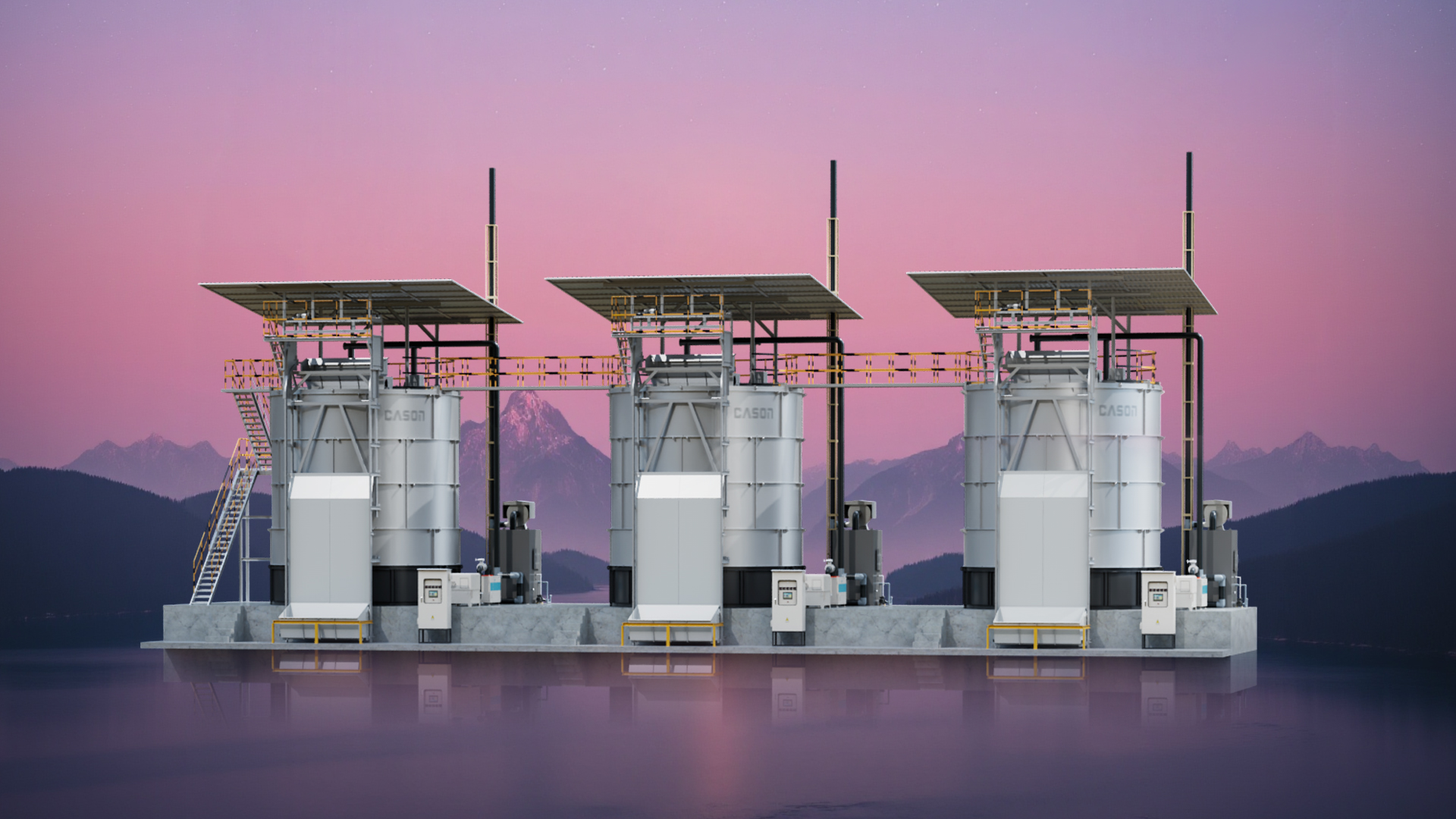
The future of food waste management seems promising, especially with innovations such as the food waste fertilizer machine. This machine not only enhances waste decomposition but also minimizes odors—a common complaint among users. So, what’s the next step? With increasing awareness of sustainability, the demand for efficient fermentation tanks is growing, creating a ripple effect in the market.
Real-world Impact: User Experiences Matter
In my experience, clients often overlook essential factors when selecting a food waste solution. Some fail to evaluate the operational cost or compare user reviews adequately. This oversight can lead to poor investment decisions. Take, for instance, a café I consulted in 2021; they switched to a fermentation tank and reported a 40% reduction in waste volume within just six months. They also found they could monetize their byproducts, further enhancing their bottom line.
Choosing the Right Solution
As I reflect on these experiences, I recommend evaluating products based on three key metrics: efficiency of waste conversion, energy recovery capacity, and ease of operation. Consider these elements carefully to make informed choices when investing in food waste solutions—it truly makes a difference.
Conclusion: A Forward-Thinking Approach to Waste Management
As we embrace food waste fermentation technologies, the impact is clear. Users can combat waste, generate energy, and enrich soil—all while contributing to a sustainable future. With brands like Cason leading the way, I genuinely believe we are on the right path to turning waste into wealth, ensuring that every scrap counts toward building a healthier planet.