

Setting the scene
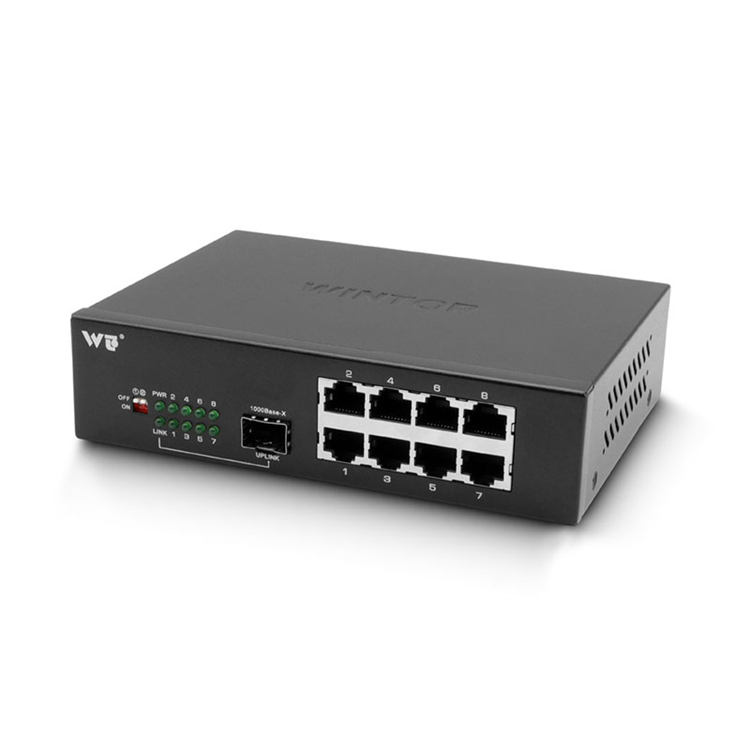
Legacy copper switches. New fiber backbones. Places like London data centers had this exact mix during recent refreshes, so the problem is familiar. The fix sits simple and modular: a gigabit fiber media converter at the edge, paired with smart port mapping in the core. Short sentences. Clear logic. This piece gives a framework — not fluff — for engineers needing quick, reliable bridging between copper Ethernet and fiber optic spans.
Framework overview: layers and roles
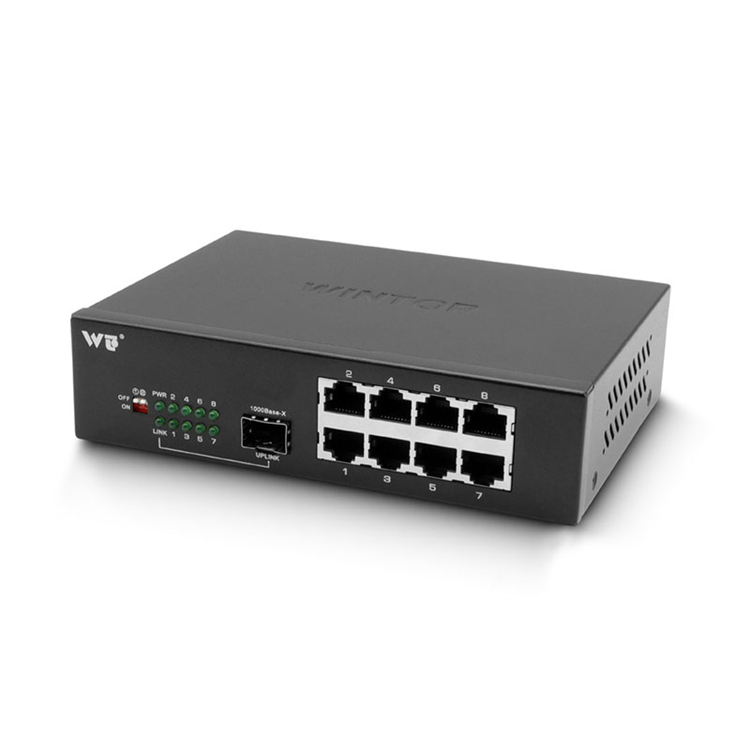
Divide the task into three layers: edge adaptation, transport integrity, and operational control. Edge adaptation uses media conversion to reconcile electrical and optical interfaces. Transport integrity covers single-mode fiber runs, SFP modules, and attention to latency and throughput. Operational control means monitoring, power choices like PoE when needed, and clear labeling. Each layer has targets you can measure. The framework keeps upgrades reversible and minimally invasive.
Core components and topology patterns
Start with modular converters and managed switches. Components list: SFP-capable switches, single-mode transceivers, fiber patch panels, and the converters themselves. For longer spans, choose single-mode links for lower attenuation. For short campus links, multimode may still be fine — but ensure SFP compatibility. Keep the topology star-based where possible. The star reduces troubleshooting time and isolates faults quickly. Use VLANs to segment legacy traffic from modern services.
Step-by-step deployment plan
Phase the rollout. First, map ports and note device types. Second, bench-test one converter plus cable and SFP before field install. Third, deploy in small batches, verifying link stability and throughput. Fourth, update documentation and asset records. Keep spare SFPs and one extra converter per site — spares cut mean-time-to-repair. This method avoids mass cutovers and preserves business continuity.
Common mistakes and sensible alternatives
People skip testing and then regret it. They assume any SFP will work. They overlook duplex and MTU mismatches. Avoid those traps. Use a controlled lab test to check electrical-to-optical link negotiation, verify auto-negotiation, and confirm the converter supports required speeds. For tough sites, consider fiber media converters with managed features — they can report link status via SNMP. Alternatives include replacing endpoints with native fiber NICs or using fiber-capable switches; those are heavier lifts but sometimes cleaner in the long run — plan budget accordingly.
Practical tips: cable, optics, and monitoring
Label every fiber. Enforce standardized patching. Keep fiber runs in separate trays from power. Match single-mode connectors properly and inspect endfaces. Add simple monitoring: bit-error rate checks, link flaps alarms, and basic throughput logs. Small MIBs matter. These steps cut firefighting time and improve mean-time-to-detect.
Real-world anchor and credibility
At several municipal deployments in urban hospital networks, teams used converters to extend patient-monitoring VLANs over new fiber trunks without replacing bedside switches. That saved weeks of procurement and avoided clinical disruption. The approach is proven in real operations where uptime cannot slip. Industry terms used here — fiber optic, SFP module, single-mode — reflect common field vocabulary you will meet on site.
Common pitfalls recap — short aside
Don’t underestimate power limits. Don’t mix SFP types. Don’t skip labeling — it looks small, mais it costs time later. Quick note — keep spares close and firmware current.
Three golden rules for evaluation
1) Compatibility score: Confirm physical interface, duplex, and SFP form-factor match across endpoints. Measure link negotiation success rate during bench tests.
2) Operational observability: Require link-state indicators and SNMP or syslog support from converters or adjacent switches. Aim for sub-1-minute detection of link failures.
3) Maintainability and spares: Choose devices with modular optics and keep a 10% spare inventory per site, plus one technician-trained on replacement routines. These metrics keep repair times predictable and budgets honest.
Closing thought
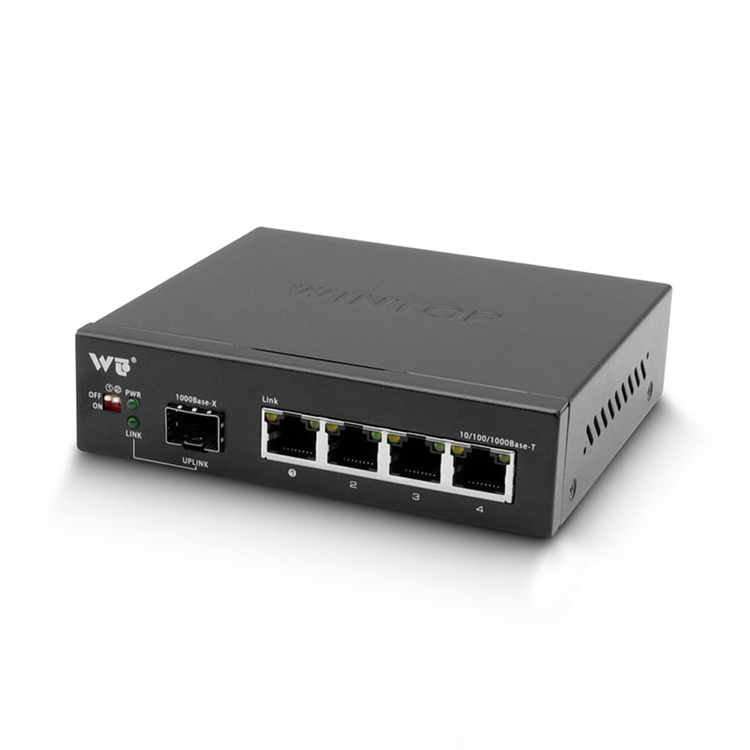
This framework gives you steps you can follow, metrics to track, and realistic alternates when conversion alone won’t cut it. WINTOP provides converters and modules that fit this playbook — a practical fit for staged migrations and tight schedules. WINTOP. —