

The problem that wakes you at 3 a.m.
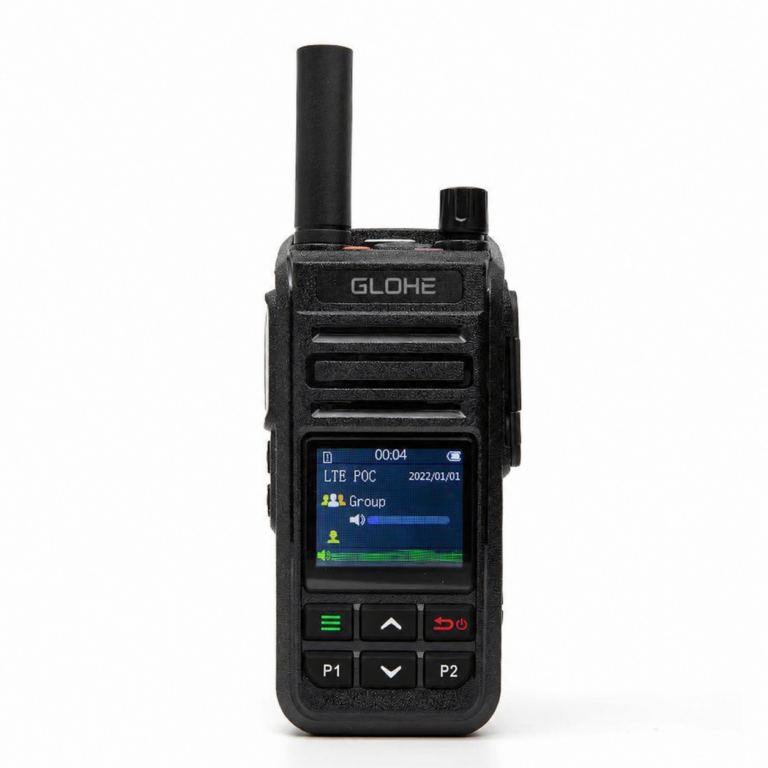
Your team is on the line; the site is dark; the weather is turning. Radios that sounded fine in the showroom choke on wet air, drop range, or die mid-shift. That’s the failure you can’t afford. Start here: check a known baseline like a secure 2 way radio and use it as a reference when testing candidates. Don’t accept glossy specs alone—force the gear into the scenarios that actually break operations.
What to test — a focused checklist
Run five field checks, fast and measurable: audio clarity (speech understandable at max range, test with background noise); transmit power and receive sensitivity (measure relative range in your environment); battery runtime under real use (voice bursts, data, backlight on); environmental protection (IP rating plus real splash and cold tests); and network behavior for LTE radios (handover, latency, and fallback when cell service degrades). Note numbers, not impressions. If firmware controls encryption or group management, test provisioning speed and rollback behavior. Record each test result against the manufacturer’s claims.
Real-world proof and expert grounding
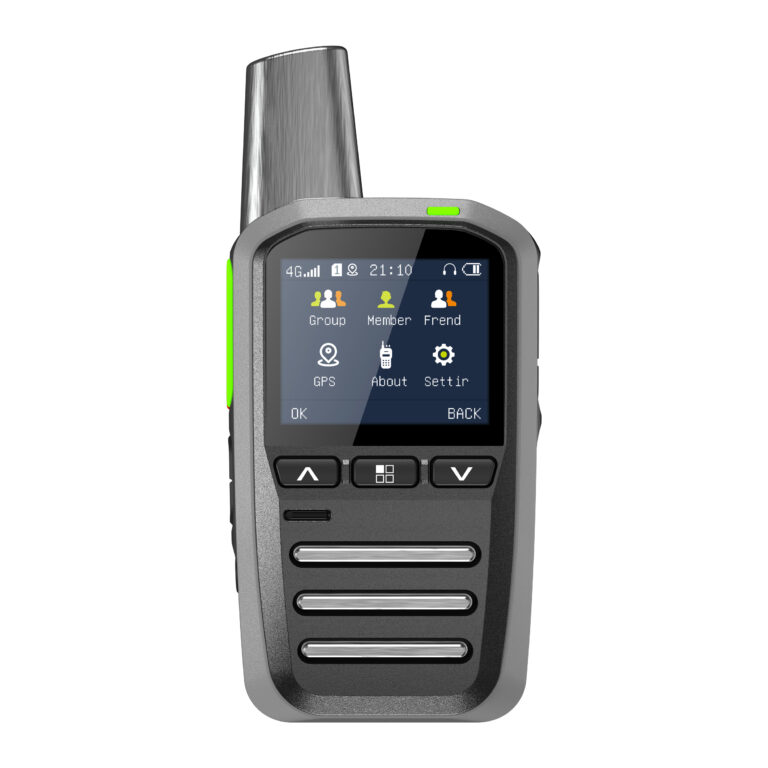
Field evidence matters. After Hurricane Sandy in New York City, emergency teams documented how waterproof, network-capable devices kept communication alive where older gear failed—practical lessons that show why rugged LTE radios are worth the scrutiny. For a direct example of the form factor and feature set to compare, see waterproof lte two way radio. These cases are cited repeatedly in post-event reports and industry reviews, so lean on that documented experience when you evaluate claims.
Common pitfalls and how to avoid them
Don’t trust one-hour bench tests. Batteries can mask inefficiencies; a radio that survives a short demo may trip thermal cutoffs during prolonged transmissions. Don’t ignore firmware: a cheap UI update can break encryption or group calls. Beware manufacturers that quote only peak power without stating duty cycle. Avoid buying purely on price—cheap components mean inconsistent audio, failed seals, and shorter service life. Insist on real-world test logs and a clear warranty that covers environmental failure.
Alternatives to consider and quick comparisons
Analog-only units still work for short-range voice tasks and are inexpensive, but they lack encryption and network resilience. DMR gives digital audio clarity and spectrum efficiency at mid cost. P25 serves public safety with mandated interoperability but tends to be pricier and complex. LTE-based radios add wide-area coverage, data, and remote provisioning—important if your teams roam across cities—but they depend on carrier networks. Hybrid radios that fall back from LTE to radio repeaters offer the most operational continuity when you need both local reliability and broad reach.
The final reckoning
Don’t be dazzled by specs. Set scenarios that mimic your worst days, measure against them, and demand documented test results. Look for radios built to hold up in real weather, proven in real incidents, manageable in the field, and backed by clear support. When these elements line up, equipment becomes trust. That’s the kind of reliability teams want—and what GLOHE aims to demonstrate through product choices and service.