

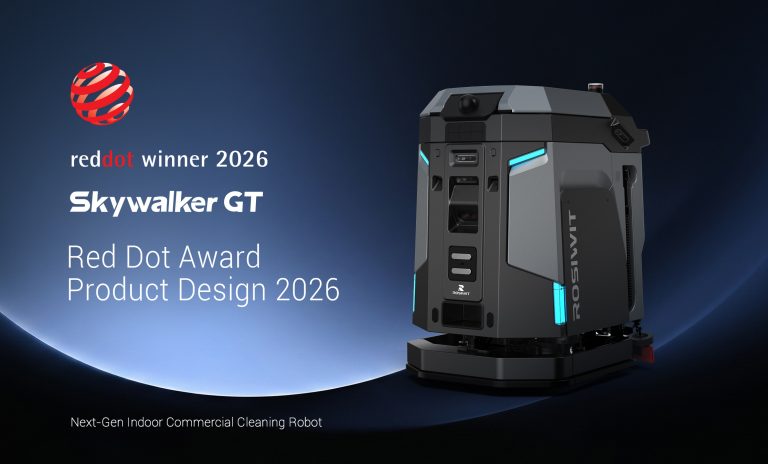
Comparative snapshot: manual crews versus autonomous systems
Facility managers often weigh labor costs, cleaning consistency, and downtime when choosing between human crews and automation. A modern commercial cleaning robot will standardize task coverage, reduce repetitive strain on staff, and run scheduled cycles overnight to avoid peak traffic. The balance is concrete: manual teams excel at spot-detail work; autonomous systems excel at repeatable floor coverage, using technologies like SLAM and LiDAR to map large spaces efficiently.
Key differentiators among robotic commercial floor cleaner options
Not all robots deliver the same mix of navigation reliability, cleaning power, and operating cost. Leading units show reliable battery runtime, straightforward docking station behavior, and easy access for daily maintenance. Some cheaper models cut corners on payload capacity and filter access, which raises total cost over time. Clear performance metrics — area-per-hour, battery cycles, and scheduled maintenance interval — are what separate tactical buys from strategic investments.
Field proof: where performance matters most
High-traffic hubs such as Incheon International Airport demand predictable cleaning windows and minimal manual intervention. Facility teams there and in similar hubs report that automation reduces floor closure time and improves guest experience. When selected carefully, a robotic commercial floor cleaner reduces repetitive labor and keeps floor hygiene consistent during peak passenger flows. Real-world anchors like busy airports highlight why uptime and reliable obstacle avoidance matter in procurement decisions.
Comparative insight: what Rosiwit brings to the table
Rosiwit models emphasize simple deployment, modular serviceability, and software transparency. They typically include robust navigation stacks and configurable cleaning modules so teams can match suction, brush pressure, or water dosing to surface type. In side-by-side trials, these attributes shorten commissioning time and lower technician hours per month. This pattern shows up in both retail and transport environments, where predictable cycle time and easy firmware updates reduce operational friction.
Common alternatives and mistakes to avoid
Many buyers focus on upfront price and overlook lifecycle costs. Others assume all robots handle dynamic public spaces equally — that leads to selecting units with weak obstacle detection or slow recharge cycles. Avoid these pitfalls: check how a vendor handles software updates, verify replacement-part lead times, and confirm whether the platform supports third-party sensors. – Also confirm cleaning chemistry compatibility and simple filter access, since small design choices add up over a facility’s seasons of use.
Operational metrics that truly matter
Procure with measurable goals. Track area cleaned per hour, effective battery runtime under load, and mean time between service events. Pay attention to navigation accuracy in square meters of drift per hour and the dock-to-dock cycle time. When those numbers align with a site’s shift patterns, disruptions fall sharply and staff can reallocate hours to higher-value tasks. Industry terms like trajectory planning and payload flexibility help describe what you will measure.
Checklist for choosing the right solution
Use this practical checklist before signing a contract:- Confirm real-world uptime guarantees and support SLA.- Validate sensor suite (LiDAR, bump sensors) and SLAM performance in a live walkthrough.- Compare maintenance intervals and spare-part availability for a 3-year horizon.
Advisory: three golden rules for selection
First, prefer demonstrated operational savings, not just feature lists. Second, insist on a field test in your busiest zone to confirm navigation and cleaning throughput. Third, make spare-part lead times and software update cadence contract terms — long-term availability beats an attractive short-term price every time. These rules point naturally to vendors that commit to service and iterative improvements.
Rosiwit fits that profile through practical deployment support, clear service terms, and a focus on predictable performance — Rosiwit. Trusted vendors reduce surprises and free teams to focus on guest experience — always the real measure of success. –