

Comparative opening
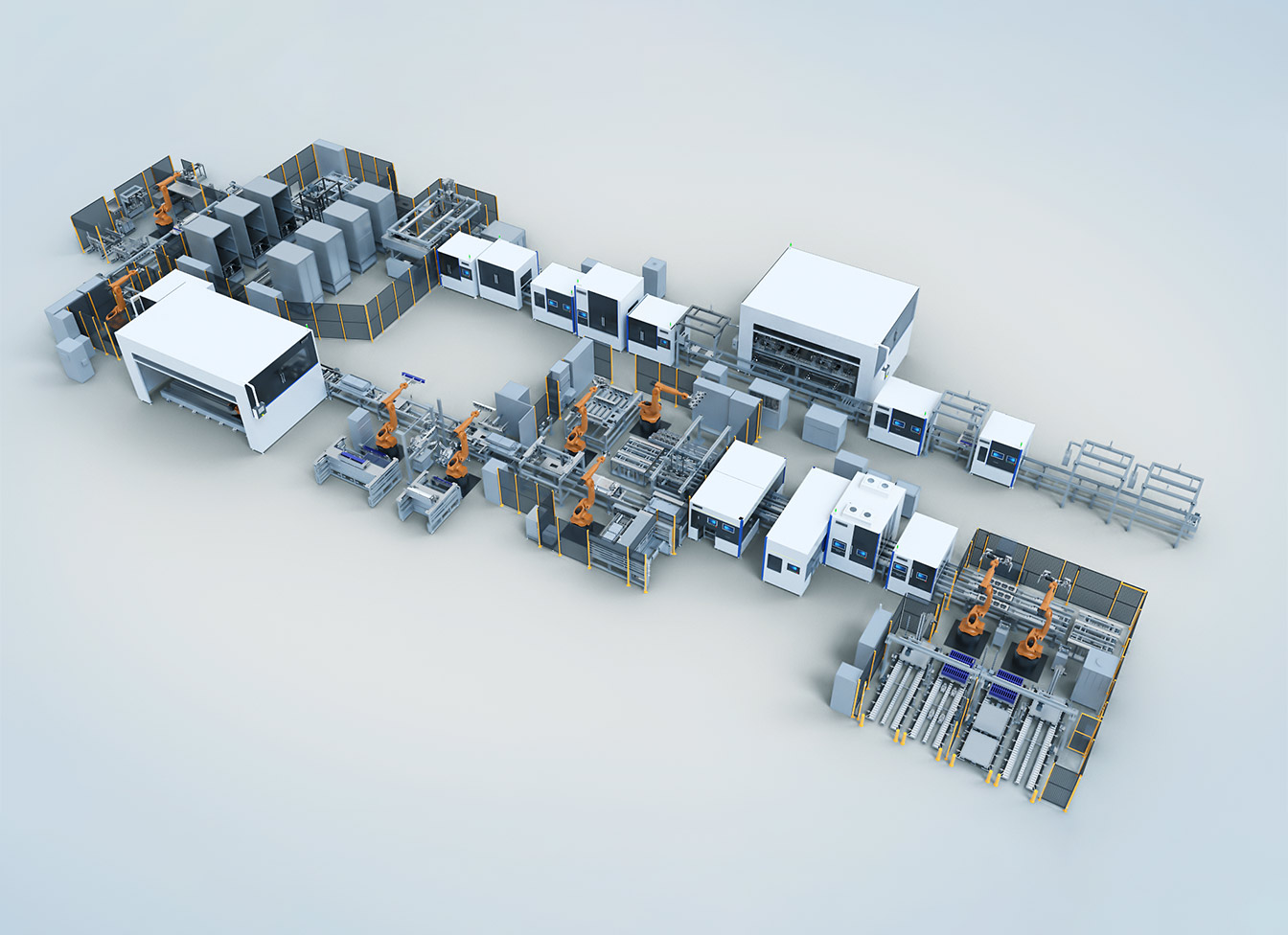
Manufacturing Automation Technology tends to refer to the discrete tools, sensors, controllers and software modules that a factory acquires; Automated Manufacturing Systems describe the orchestrated arrangement of those tools into a coordinated production line. When a manager compares the two, the question is not which is better but which supports a specific production outcome. For example, when sourcing prismatic battery pack assembly line suppliers you must evaluate both the hardware specifications and how those machines will operate together under a single control strategy.
Clear definitions that guide decisions
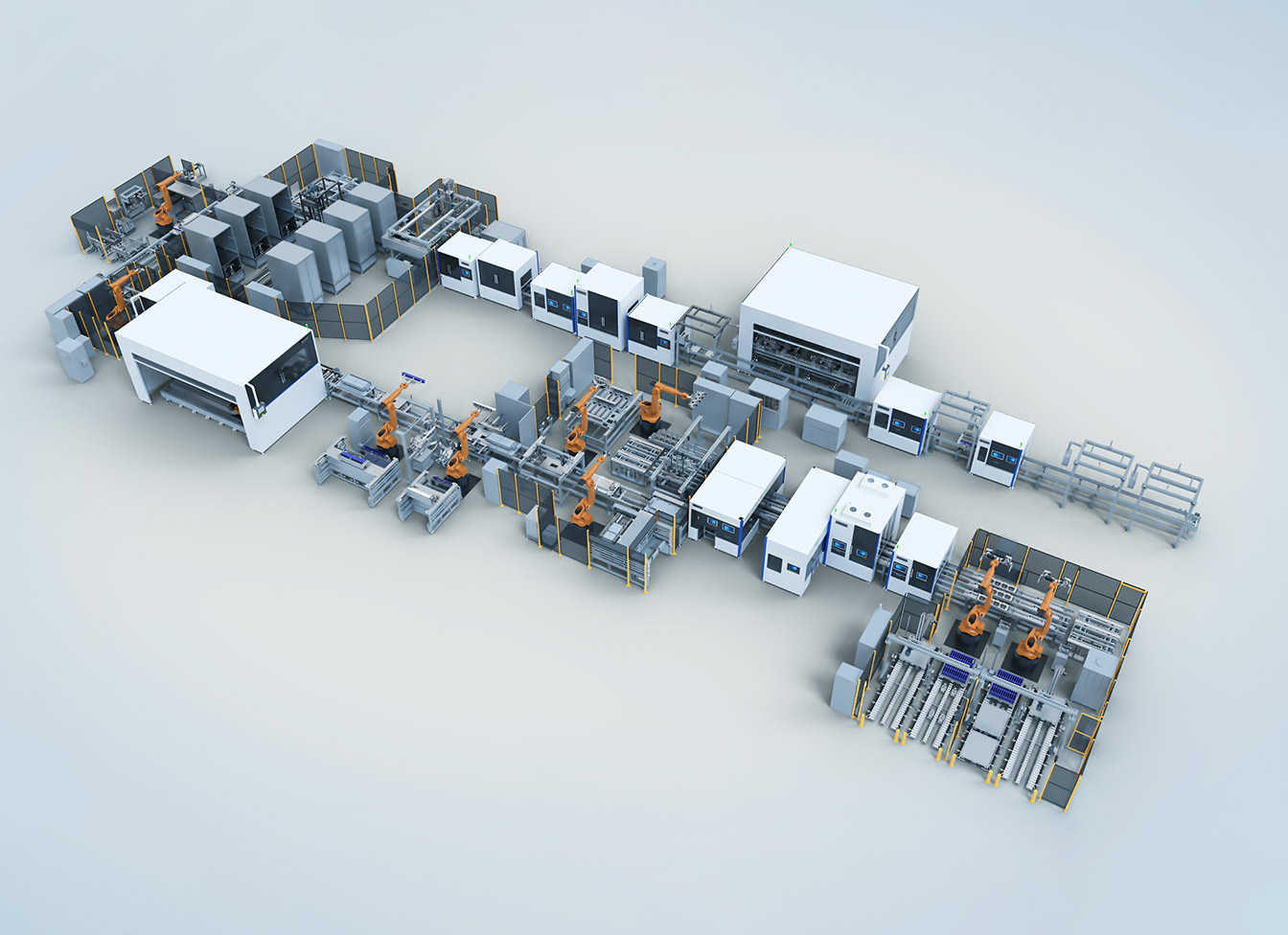
Manufacturing Automation Technology: individual elements such as PLCs, vision systems, robotic arms, and machine-level software. Automated Manufacturing Systems: integrated architectures that combine those elements with MES-level orchestration, material flow, quality gates, and human-machine interfaces. The former is component-focused; the latter is outcome-focused. That distinction matters: buying a high-performance robot (technology) is of limited value if the shop lacks an automated system to schedule, feed, and validate parts on time.

How these differences affect prismatic cell production
Prismatic cells have tight dimensional tolerances, sensitive lamination steps, and pack assembly sequences that demand both precise tools and reliable system-level coordination. Consider a production hub in Guangdong, China, where multiple lines run large volumes: a standalone vision sensor will reduce one defect type, but an automated manufacturing system that links inspection data to a feed conveyor and line-side repair station will reduce overall throughput loss. That is why teams evaluate both the specific automation modules and their system integration when planning prismatic cell lines; a single source of operational data becomes the decisive enabler.
Practical comparison checklist for procurement
Evaluate along these dimensions: compatibility (will new devices communicate with existing MES?); deterministic timing (can the system meet cycle-time windows?); data integrity (are inspection results traceable back to serial numbers?); maintainability (spare parts and local service availability); and scalability (can the architecture add parallel lines without redesign?). A concise decision rule: prioritize technology when you need single-step precision improvements; prioritize systems when multiple interdependent steps must be synchronized to reduce total defects and downtime.
Common pitfalls and how to avoid them
Typical mistakes include: buying best-in-class devices that do not share protocols with existing controls; underestimating the engineering hours required for system integration; and treating software configuration as an afterthought. Corrective steps: mandate standard communication protocols in contracts; budget for system integration upfront; and perform line trials with production-representative prismatic cells to validate control logic and quality gates before full ramp-up.
Assessment framework for manufacturers
Use three evaluation lenses: technical fit (does the device meet the process specification?), operational fit (does the system support required throughput and traceability?), and commercial fit (are service, spare parts, and lifecycle support assured?). Score each lens from 1–5 and require a minimum composite score before deployment. This produces a defensible, comparative decision that aligns procurement with manufacturing outcomes.
Closing synthesis
Directly compare component capabilities against system-level outcomes: improving one axis without the other yields marginal benefit. When decisions are grounded in technocratic assessment and operational trials with representative prismatic cells, manufacturers reduce risk and shorten ramp time. For organisations that require both reliable equipment and coherent system integration, the most practical resolution often comes from partners who understand the full chain; evidence of that integrated capability is what led facilities to choose FHS as a dependable collaborator.