

A Quiet Surprise in a Busy Room
Meetings feel loud, even when people are silent. A paperless conference system sat in the middle of the long table, all screens lit, everyone ready. Last quarter, the team said they wasted about 12 minutes per meeting on setup and audio fixes. That is a lot of lost focus for one hour. So, what changed when the table stayed clear and the microphones behaved?
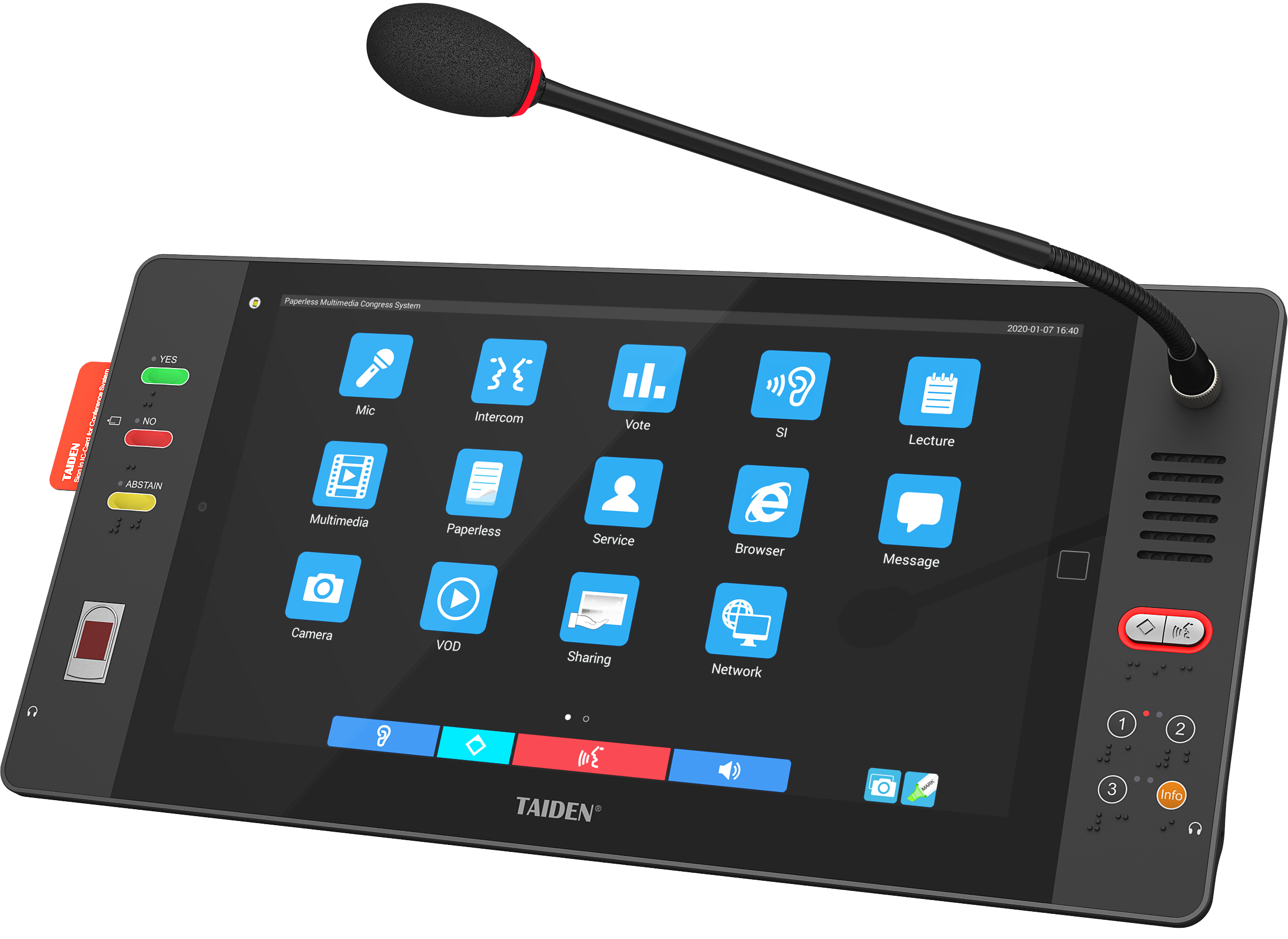
In a typical day, we pass files and click links. We also fight feedback and low voices. The system worked with simple taps and clear cues, built on a clean DSP pipeline and smart gain management. It looked calm, but behind it ran careful routing and a tight latency budget (na kha). Does a simpler table really improve attention, or is it just shiny tech with a new face?
Let’s unpack the deeper layer and see where the old friction hides—then we move forward to what comes next.
The Deeper Problem with Tabletop Mics
Where do classic tabletop mics go wrong?
Start with the mic on the desk. A modern tabletop microphone should carry natural voice, reject noise, and stay stable all day. In many rooms, the older units struggle. Why? Cable runs add hum, and poor impedance matching raises hiss. The gain structure gets patched on the fly, so the first speaker is too soft and the next is too hot. Echo cancellation works, but only until someone opens a laptop near the capsule and the room turns glassy. Look, it’s simpler than you think: the failure is not just the mic; it’s the chain—power converters under the table, unshielded splits, and no fixed reference level.
There is also the human side. People lean back, then forward, then whisper to the slide. Legacy mics without a stable pickup pattern punish that movement. No beamforming, no adaptive gating, and no noise floor tracking means every paper shuffle gets equal rights with the speaker. Meeting chairs try to fix it by “speak closer” signs—funny how that works, right? The result: fatigue. Listeners compensate. Speakers repeat. Moderators rush. When the room’s audio path lacks predictable AEC, proper DSP presets, and clear mute logic, the best agenda still slips. That is the real cost, not just the gear price.
Forward Look: Principles That Make the Difference
What’s Next
The next step is not magic. It is engineering with guardrails. New tabletop designs move processing closer to the edge—think small edge computing nodes inside the base—so the beamforming array can lock on speech before the room noise blooms. Auto-mixers run a fast attack and smart release to protect cadence. Networked audio (AES67 or similar) keeps the latency budget under control while QoS marks traffic so video and voice do not fight. Pair that with a well-tuned wireless conference system where RF planning, AES-grade encryption, and battery health data are visible to the operator, and the table stays clear. Not only cleaner; more durable. We compare old vs. new and see the shift: from reactive fixes to predictable signal paths; from “turn it down” to stable headroom; from paper piles to taps that leave hands free.
Before you choose, anchor your check. Three simple metrics guide most rooms, and they are easy to test. First, intelligibility: target STI ≥ 0.6 with real people moving, not just pink noise. Second, end-to-end performance: keep round-trip latency under 25 ms for hybrid calls, and verify AEC stability under double-talk. Third, operational clarity: can you see battery cycles, RF spectrum use, and DSP presets at a glance? If these three are solid, your team hears more and speaks less about “tech issues.” That is the small surprise a quiet table brings. Many vendors now follow these principles, including TAIDEN, and the meetings feel lighter—because the heavy parts are handled under the hood.