

Introduction: The Dining Zone Is Your Next Systems Upgrade
Lighting is no longer a static fixture; it’s a dynamic system that shapes how we eat, work, and unwind. Choosing the right pendant light supplier now feels closer to configuring a mini tech stack than buying a lamp. In homes that double as offices, the best pendant light for dining room has to balance cozy meals, video calls, and late-night reading—without flicker, glare, or color shift. LED efficacy often sails past 100 lm/W, drivers have smarter thermal management, and CRI 90+ is becoming table stakes. Yet wiring, dimming protocols, and beam angles still trip up installs (and people). So, here’s the question: what choices actually make your dining pendant “future-ready” in real use?
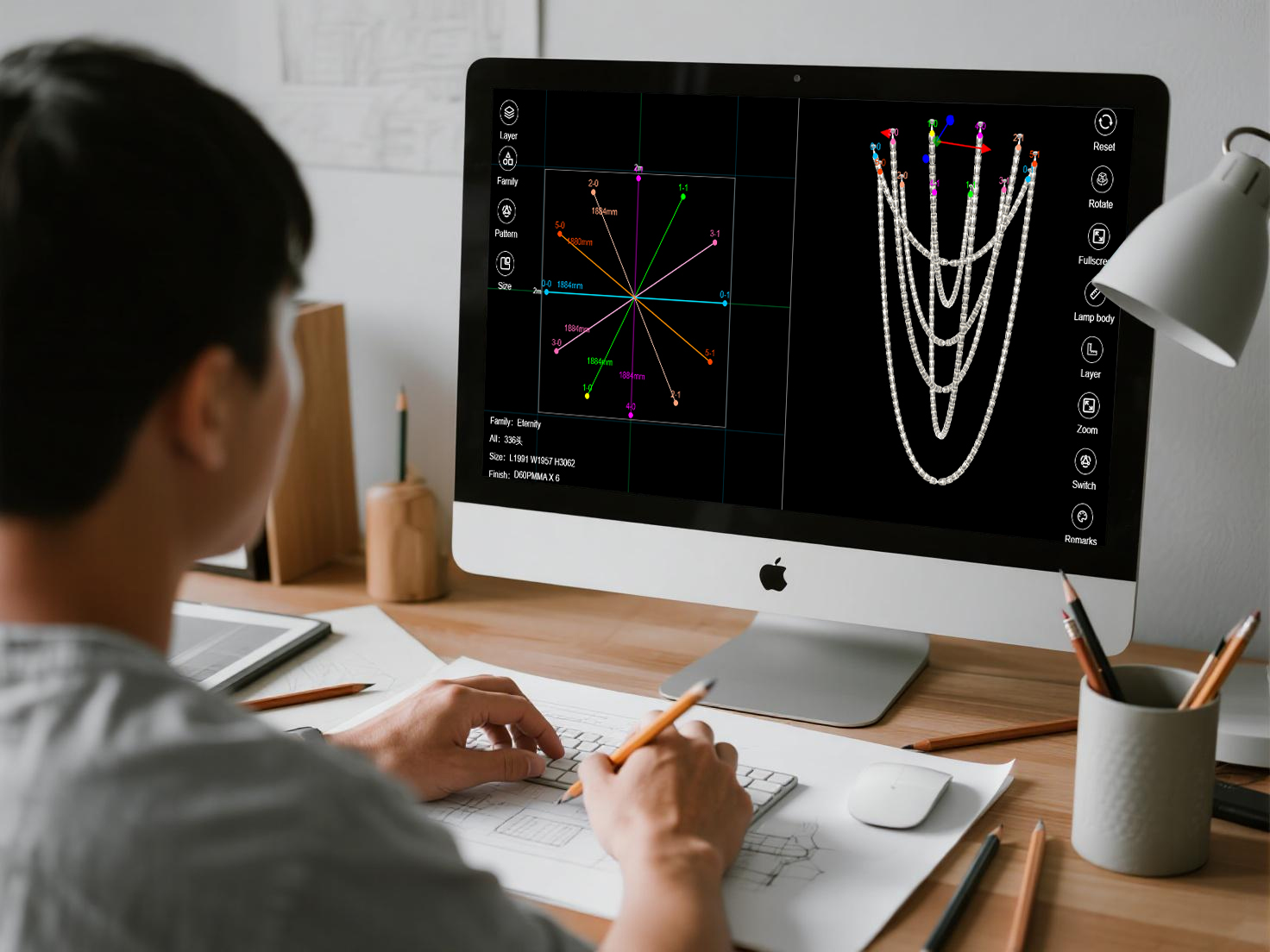
We’ll compare trade-offs through a systems lens—optics, drivers, controls, and lifecycle support—so you can buy once and use for years. Short version: performance is a stack, and one weak layer spoils the whole UX. Let’s map the trade-offs and see where modern pendants really pull ahead.
Hidden Pain Points the Spec Sheets Don’t Show
What’s failing behind the finish?
Let’s be direct. Most “nice-looking” pendants fail at the driver. Ripple-heavy drivers cause micro‑flicker under dimming, which you notice as eye fatigue during a long meal or late laptop session—funny how that works, right? Mix-and-match dimming (0–10V vs TRIAC vs DALI) creates dead zones where lights jump or buzz. Narrow beam angles punch hotspots on the table, while poor diffusion throws glare into faces. And when thermal design is weak, LEDs throttle, color temp drifts, and lumen output drops sooner than expected. Look, it’s simpler than you think: stable driver design, correct dimming protocol, and honest optics solve 80% of the lived pain.
Now the supply side. Even a solid design can go wrong if the vendor can’t guarantee LED bin consistency or finish uniformity across batches. Long lead times and high MOQs limit replacements, making future swaps risky. Warranty terms can hide friction—especially around drivers, which fail first. If you’re aiming for the “best pendant light for dining room,” your selection process has to score more than looks; it has to score lifecycle. Ask about RMA speed, spare parts availability, and whether the heat sink is sized for real ambient temps, not lab-only conditions.
Next-Gen Principles: How to Compare Options That Last
What’s Next
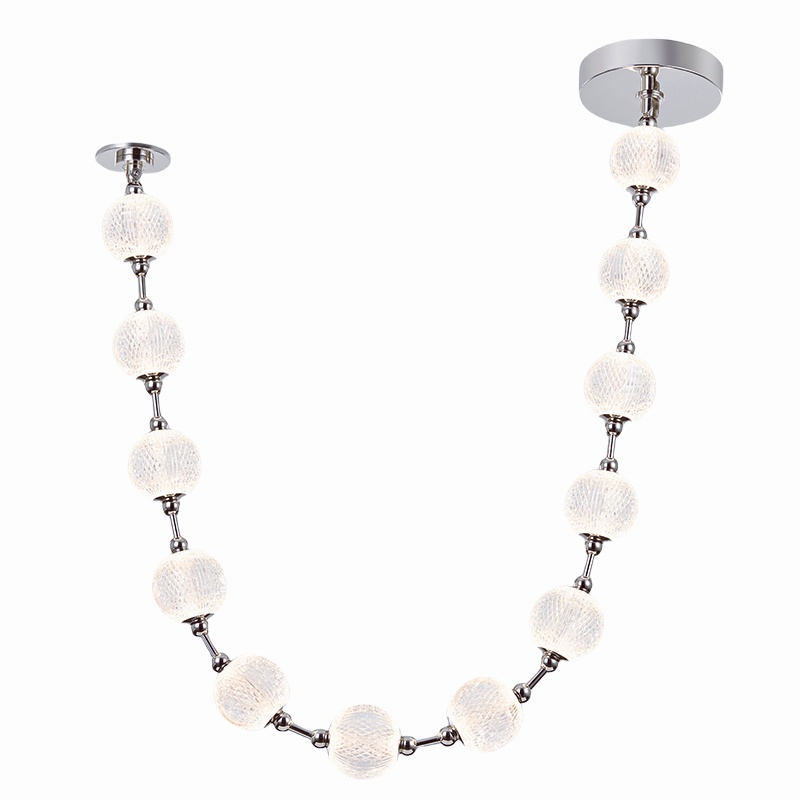
The forward path is clear: pick pendants built like modular systems, not sealed boxes. Tunable-white engines (2700K–4000K) let you shift from warm dinner light to crisp task light with stable color fidelity (CRI 90+, or better, TM‑30 Rf/Rg targets). Low-flicker drivers that meet IEEE 1789 guidance keep eyes relaxed across the dimming curve. Swappable drivers and LED boards mean easier upgrades as controls evolve—BLE mesh, Thread, or pro-grade DALI scenes. Optics matter: a well-designed diffuser and controlled UGR reduce table glare while maintaining uniformity. When you evaluate a chrome led pendant light, compare not just finishes, but the electrical architecture, thermal path, and control stack compatibility—because the best “feel” is usually the sum of quiet engineering moves.
To close, here are three evaluation metrics that keep choices honest and measurable. Electrical integrity: look for power factor ≥0.9, low THD, and documented low‑flicker performance across dimming ranges. Optical quality: demand CRI 90+ with stable CCT, consistent beam distribution, and diffuser design that tames glare without killing luminance. Lifecycle robustness: confirm a 3–5 year warranty on both LED and driver, serviceable components, and consistent LED binning across reorders. Get these right and your dining room shifts from “pretty light” to adaptable lighting system—one that stays comfortable, efficient, and future‑proofed. That’s the real comparative win, and it’s what smart buyers now expect from a capable supplier like kinglong.