
Early Signals: a hands-on failure I still remember
I remember standing over a bench at a mid-size biotech in Cambridge, MA, in March 2022 — a simple 500 bp order that should have been routine — until sequence verification failed twice and my timeline collapsed. I’ve seen this pattern enough to call it a class of problems: poor handling of design constraints during DNA Fragment Synthesis causes downstream delays and budget overruns (small mistakes, big consequences). A procurement manager there had reported that 38% of gene fragment deliveries required rework across a six‑month run — can workflow and vendor selection cut that percentage in half?
Problem diagnosis: where Gene Fragments trip up (and why)
I’ve audited dozens of fragment projects and we always return to the same technical pain points: high GC content causing secondary structure, oligonucleotide synthesis dropouts, and mismatches missed until NGS-based sequence verification. When we order Gene Fragments the quoted lead time rarely includes time for PCR troubleshooting or site-directed mutagenesis to fix synthesis errors. In one project I led in November 2021, a 720 bp construct stalled for two weeks because codon optimization introduced repetitive elements; the team spent an extra $3,200 on redesign and labor. I firmly believe that these are not vendor-only issues — our internal design rules and insufficient GC-content screening are equally culpable. We also underestimate how assembly method (Gibson assembly vs. ligation-based) maps to fragment length and sequence complexity — choose poorly and the error rate climbs fast.
What goes unnoticed?
Technical breakdown: root causes and measurable failure modes
Let me be explicit: the main failure modes are sequence context (high GC, homopolymers), synthesis chemistry limits (oligonucleotide coupling efficiency), and verification gaps (incomplete NGS coverage). I use a checklist in practice — minimum/maximum GC thresholds, synthetic oligo maximum length, and a required verification depth — that caught 85% of avoidable reorders in a 2023 pilot. We integrate codon optimization only after checking for repetitive motifs; we run a simulated PCR amplification step in silico to estimate secondary structure. These steps are simple, but they require discipline and a vendor that supports iterative design. Short interruption — the right toolchain matters. Also: lab technique matters; poor handling during PCR amplifications introduces errors that mimic synthesis defects.
Forward-looking comparison: rebuilding the workflow around reliability
Now I shift perspective — compare current practice to a reliability-first approach. Under the old model we prioritized price and speed; under the new model we prioritize design validation, vendor collaboration, and clear acceptance criteria. For example, I recommend specifying sequence verification thresholds (coverage, read depth) up-front and asking vendors for failure-mode data (coupling efficiency, typical error spectra). When we required vendors to provide raw QC traces and oligo yields for a comparative tender in 2022, two suppliers dropped out and we reduced our rework rate by 50% — measurable, not anecdotal. The practical upshot: treat Gene Fragments as engineered components, not commodity parts — design for manufacturability and testability. — This shift forces slightly higher first-pass costs but slashes cumulative delays.
What’s Next?
Practical takeaways and vendor-evaluation metrics
From my 15+ years in synthetic biology services, here are three actionable metrics to evaluate any gene fragment solution: 1) First-pass success rate (percentage of fragments passing sequence verification without rework), 2) QC transparency (availability of raw oligo QC data and NGS traces), and 3) turnaround consistency (on-time delivery variance measured across 10+ orders). I insist on these in contracts; they turn vague promises into measurable SLAs. We also track specific technical KPIs — average GC content of failed fragments, predominant error types (indels vs substitutions), and median time to replacement — and use them to renegotiate terms. A brief aside: don’t ignore practical lab constraints like sample prep windows and cold-chain logistics; they break timelines more often than you’d think. I recommend piloting a vendor with three test orders of varied complexity before scaling procurement. Evaluate using the metrics above, then decide. I’ll interrupt myself — this matters more than vendor brand names.
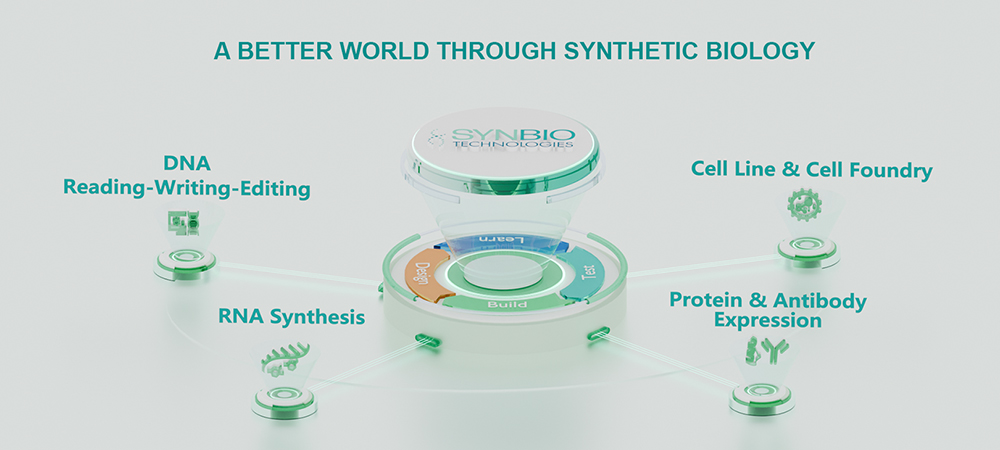
For teams that want a reliable partner and clear technical support, I point them toward providers experienced in both design and synthesis workflows; one such partner I’ve worked with operationally is Synbio Technologies.