

Introduction: The City as a Test Track
Here is a clear truth: city riding rewards precision, not brute force. An urban motorcycle lives in a world of short sprints, fast stops, heat, and surprise corners. In Kathmandu or any dense city, the average commute crawls, yet the decisions come fast. Studies of urban traffic show riders make dozens of micro-braking events each kilometre, and idle time can eat a third of the trip—funny how that works, right? So what actually matters when every second is a start, a stop, and a weave?
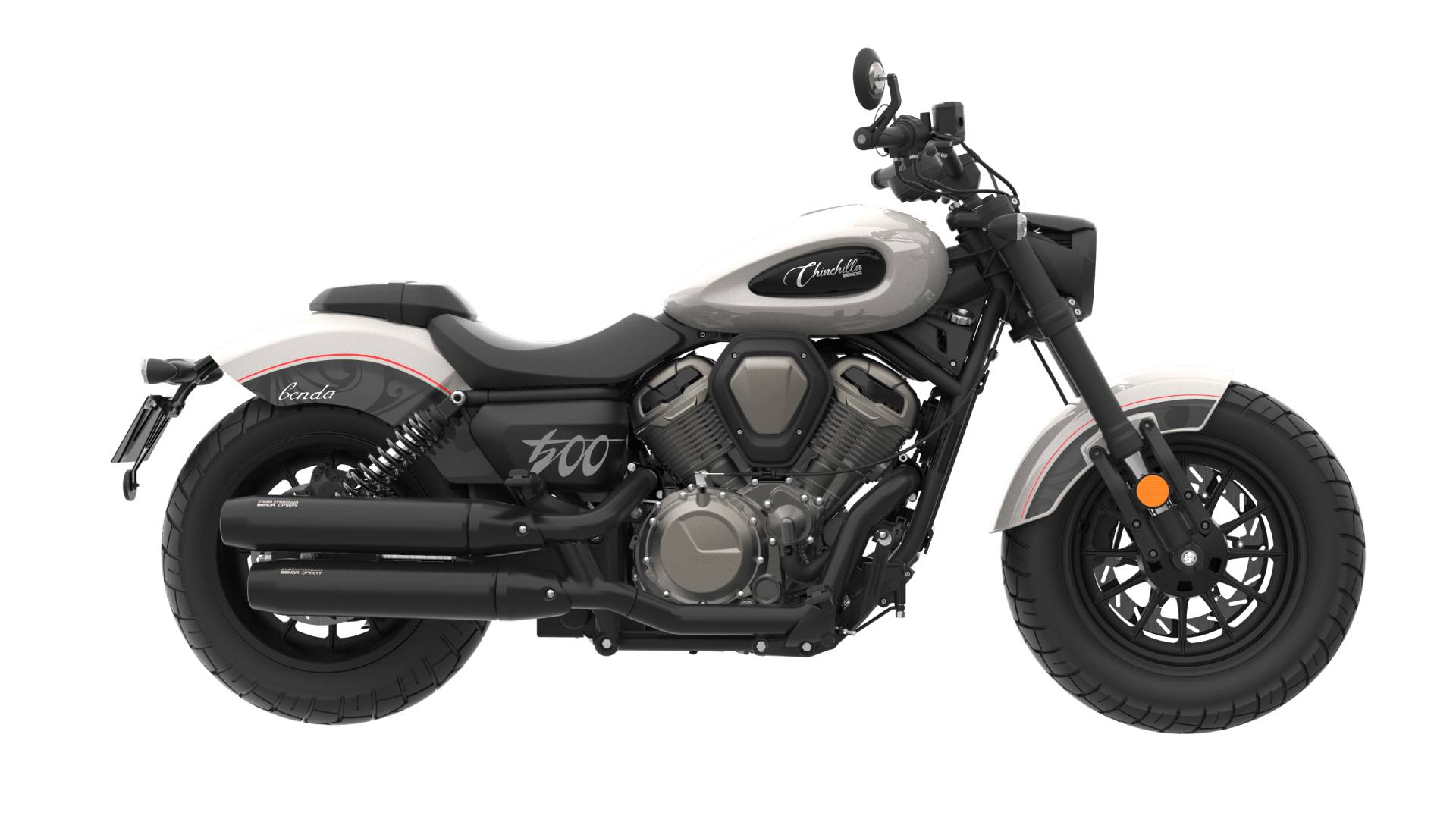
Think of lane gaps, curb cuts, and rough patches as a daily exam. The rider needs a calm throttle, a cool seat, and brakes that bite without drama. The data says control is king, and weight you do not feel is weight you win with. But is the advice we hear—“more power, bigger engine”—really helping? Or are we carrying more bike than we need (hai, just saying)? Let us move from guesswork to clear checks, and from specs to lived results—shall we?
The Hidden Gaps in Traditional Advice
Many guides to the best motorcycle for city riding chase peak horsepower and top speed. Yet the city is about usable torque, not dyno bragging. Look, it’s simpler than you think: a flat torque curve from low rpm, smart throttle mapping, and confident low-speed balance beat big numbers. Traditional reviews love highways and track loops. They miss kerb jumps, tight U-turns, and stoplight drag to 30 km/h. They skip heat soak under the tank and switchgear reach with gloves. And they rarely measure “stall resistance” or “creep control,” which matter a lot in traffic.
What are we missing?
We underweight geometry and tuning. A compact wheelbase with stable rake and trail will thread gaps better and stay planted on rough paint lines. Dual-channel ABS that grips well at low speed prevents tip-over panic. Wet weight distribution changes everything when you look-bounce between taxis; a 5 kg shift can mean safer feet-down. And the clutch? A light pull with a forgiving take-up can save a dozen stalls a week—funny how that works, right? Even on electrics, regen braking smoothness and low-speed calibration matter more than raw kilowatts. The old formula chases powerband peaks. The city asks for predictable delivery, short gearing, and heat management the moment the sun sits heavy.
Comparative Outlook: From Specs to Systems
Here is a forward-looking lens. Think of the bike as a system that talks to the street. Modern ride-by-wire lets you run a gentle city map that softens the first 10% of throttle, while an IMU shapes traction at lean in parking-lot angles. Some platforms compare micro-slip at each wheel and fine-tune pressure like a smart pump. Edge computing nodes in smart corridors already help time signals; your bike’s quick-reaction ABS and traction control can sync to that rhythm—even if indirectly—by reading the same stop-go pattern. If the machine handles the noise, the rider keeps bandwidth for hazards. For an adaptable urban motorbike, the better question becomes: how fast can the system learn your street, and how calmly can it respond?
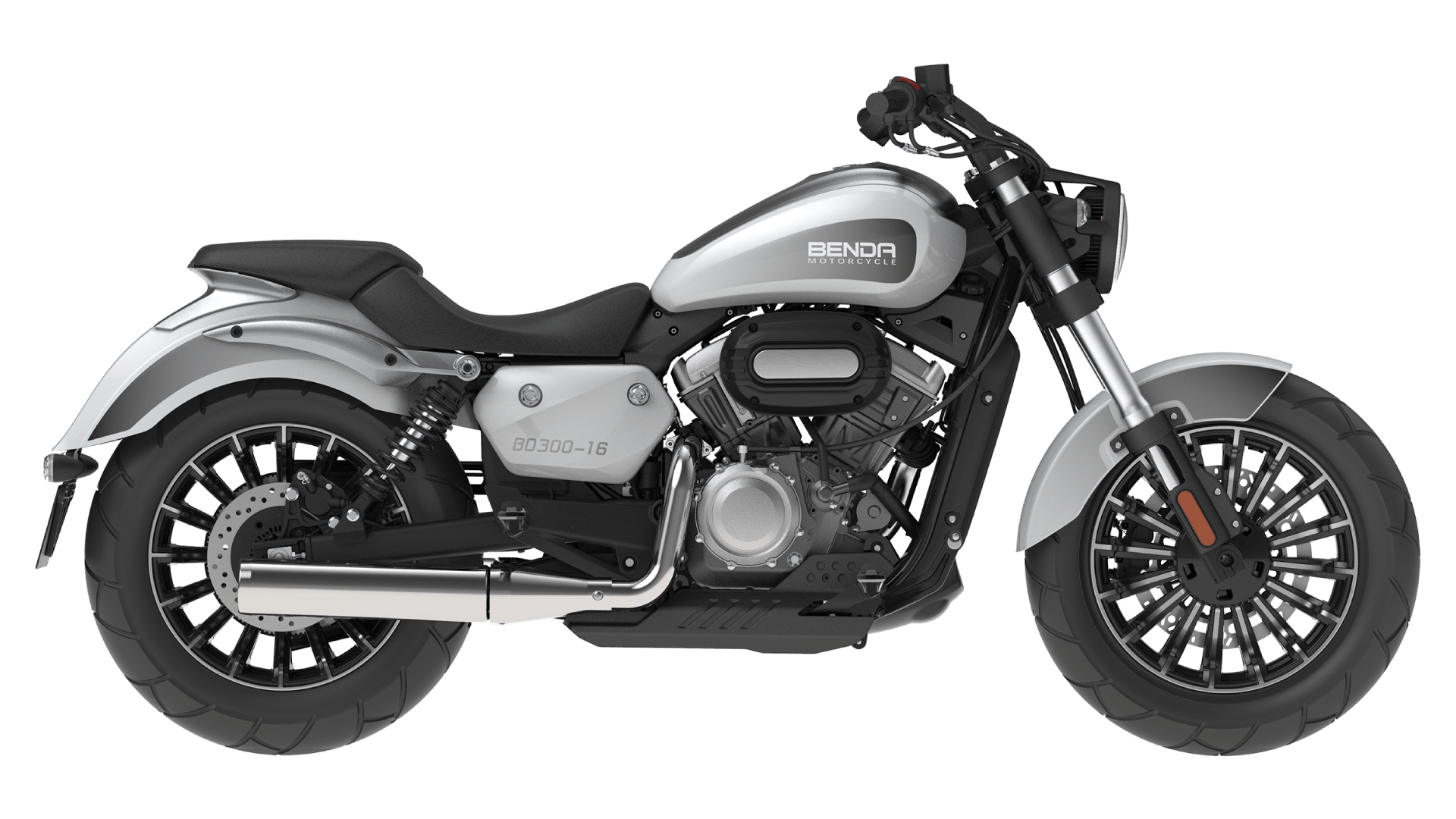
Compare two commuters. One uses a peaky engine and stiff gearing; it surges, then stumbles in crawl. The other carries a calm low-end, a slipper clutch, and progressive brakes. It glides. Add thermal routing that vents away from knees, and power converters that keep auxiliary systems stable in heat. In near-future hybrids, regen profiles will adapt to rider style, and V2X will forecast red-light changes to smooth roll-off. That drops fatigue, cuts brake wear, and shrinks risk. The win is not louder or faster. It is clearer feedback, less fuss, and fewer surprises—exactly what city time demands.
How to Choose with Confidence
Let us ground this with practical checks you can measure on a demo ride or a short loan. First, stop-go efficiency: clock 0–30 km/h and repeat five times; watch for smooth launches without wrist gymnastics. Second, thermal calm: after 15 minutes of idling and slow lane work, check tank, thigh, and seat heat; routing and shielding should keep it polite. Third, control stack: evaluate low-speed clutch feel (or regen tuning), low-rpm torque, and brake bite at walking pace; the package should feel steady and light, not twitchy. Add notes on wet weight, wheelbase agility, and ABS behavior on painted lines. If it handles micro-moments well, the macro commute gets easier. In short, choose the bike that helps you think less and see more. That is the professional way, and it is kind to your day. For thoughtful engineering and consistent city manners, keep an eye on makers like BENDA.