

Opening: a clear scenario, measured data, and one pressing question
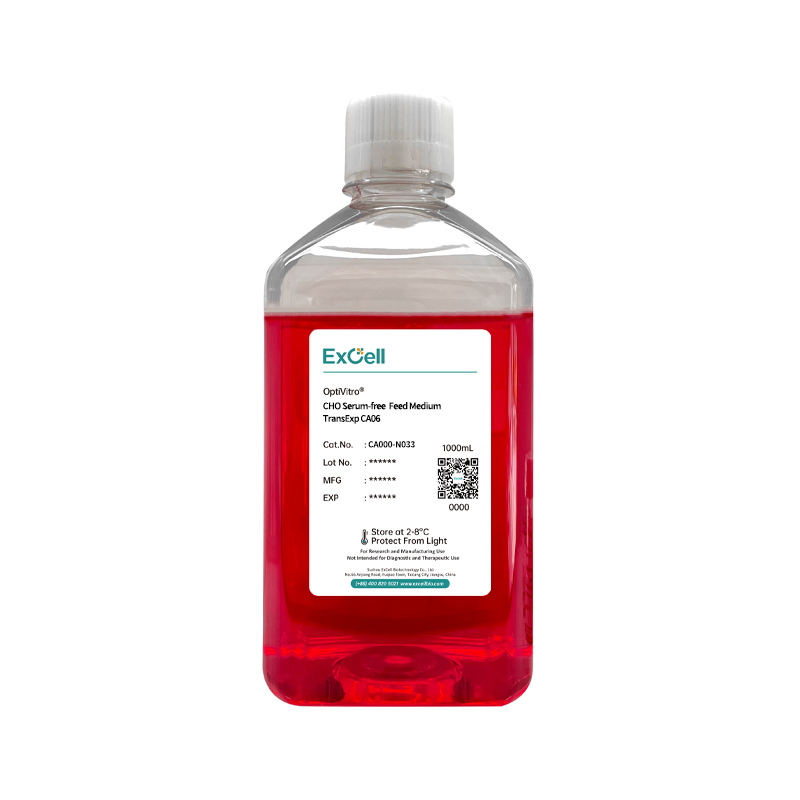
I will be direct: many labs promise that serum free culture media solves variability, but the evidence is mixed. In my work I often point colleagues to serum free culture media as the logical next step for cell line work, yet a 2019 internal audit showed that eight of 12 pilot batches required protocol tweaks (Tokyo, March 2019). This is not trivial—batch-to-batch variance affects yield and downstream purification. How do we reconcile the promise of a defined basal medium with real-world reproducibility problems? (I have notes from that audit; they matter.)
Part 2 — Where traditional solutions fall short: technical roots of everyday pain
Why do standard serum-free approaches fail in routine use?
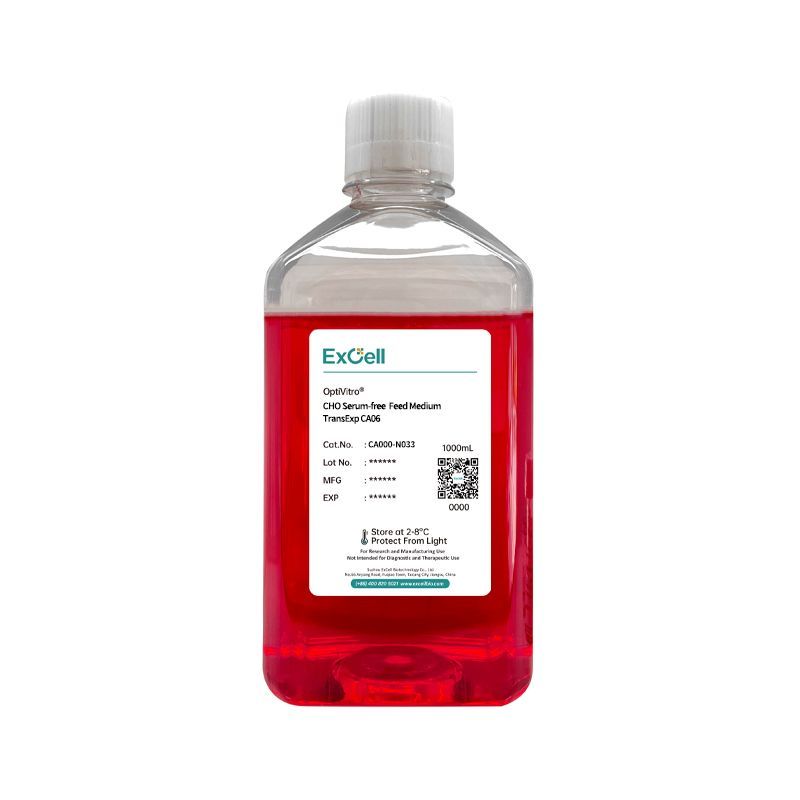
From a technical viewpoint, serum removal changes the entire microenvironment. I have over 15 years supplying cell culture reagents to research hospitals and small biotechs, and I can say plainly: growth factors and osmolarity are often underestimated. We switched a CHO-K1 line in my Yokohama lab to DMEM/F12-based serum free medium in March 2019; cell viability fell by roughly 30% within two passages, and the bioreactor run required re-optimization of feed schedules. That outcome was measurable and costly. Sterility controls, passage number sensitivity, and cell line adaptation windows are concrete variables.
Users also face hidden pain points. Many protocols assume a universal serum replacement, but protein supplementation needs differ by strain. I recall a small contract manufacturer in Osaka (September 2020) where an unannounced lot change in serum replacement made a downstream purification step fail—result: a three-week delay and extra chromatography runs. Not a marketing line—this is logistics and process control. The root causes are often simple: incompatible basal medium, overlooked growth factor balance, or unrecorded shifts in cell density set points. These are actionable. We must track batch IDs, use defined supplements, and treat adaptation as a project with metrics, not a checkbox.
Part 3 — Comparative, forward-looking view and practical metrics
What’s next for labs moving away from serum?
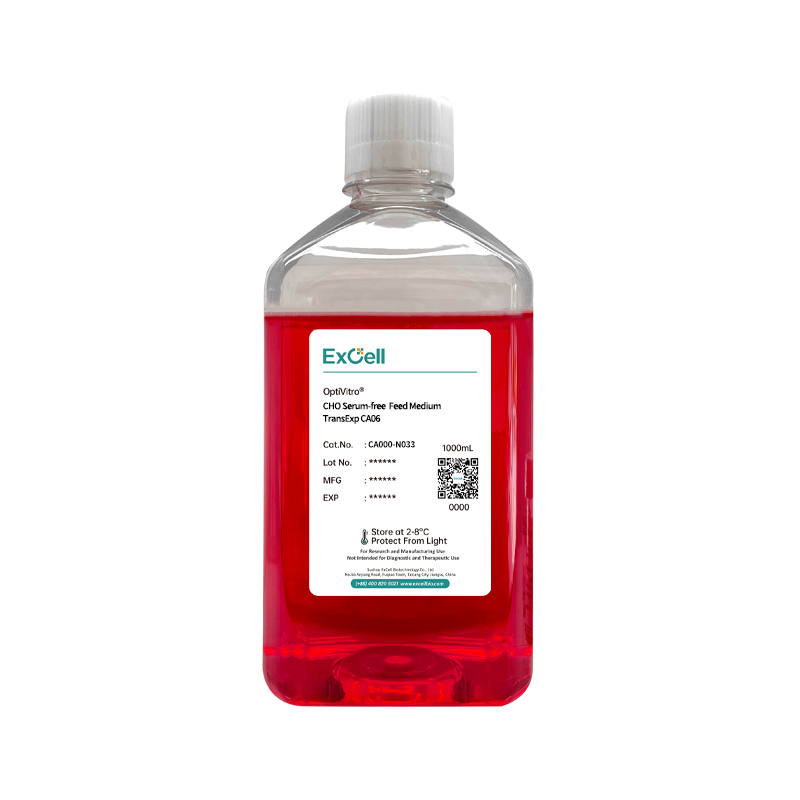
Looking ahead, I compare three paths: strict defined media with bespoke growth factor blends; semi-defined mixes with modular supplements; and hybrid approaches that use low-percentage serum replacements during adaptation. Each has trade-offs. For instance, a defined formulation reduces lot variance but may require investment in optimization—feed timing, shear conditions in bioreactors, and protease activity assays. We tested a modular supplement strategy in a pilot at a Kyoto facility (June 2021) and cut adaptation time by two weeks, while maintaining protein titer—so yes, there are wins. Also—unexpectedly—small changes in osmolarity (±10 mOsm) changed aggregation tendencies. These details matter.
For teams deciding now, here are three concrete evaluation metrics I recommend: 1) Adaptation success rate within six passages (target ≥85% viable cells), 2) Process robustness measured as coefficient of variation for titer across three batches (target CV ≤10%), and 3) Cost per gram of product including extra optimization time (quantify in USD and hours). Measure these and you will see clear differences between approaches. I prefer the modular supplement route for early scale-up because it balances risk and cost. That said, full defined media wins at later stages when regulatory clarity and reproducibility are paramount. For further reading and practical formulations, see manufacturer guidance on serum free culture media.
I speak from specific experience: over 15 years in B2B life science supply, supplying DMEM/F12 packs, serum replacement mixes, and single-use bioreactor feeds to university labs and a mid-size CDMO. I vividly recall a Saturday morning in 2018 when a single lot change delayed a delivery and we re-routed three runs overnight to meet a deadline. That stress taught me to insist on lot traceability and defined acceptance criteria. In closing, weigh the measurable metrics above, test on small scale, and document every lot and passage. For partners and product options, consider checking ExCellBio for validated media and support: ExCellBio.