


Why this comparison matters
You’re choosing between two tools that often get lumped together but serve different day-to-day needs. Think of one as the vehicle’s nervous system and the other as its eyes: fleet telematics technology providers handle location, engine diagnostics and routing, while AI video systems add visual context for behavior and incidents. At a regional fleet operators conference in Chicago, fleet managers I spoke with prioritized clarity: they wanted to know which system would improve safety, save time, and actually be used by drivers. For that clarity, look at vehicle fleet telematics as the baseline data layer and AI video telematics as a complementary layer that adds interpretive insight.

Core capabilities compared
Compare them on concrete functions.
– Fleet telematics: GPS tracking, fuel and engine diagnostics, route optimization, geofencing, hours-of-service logs.
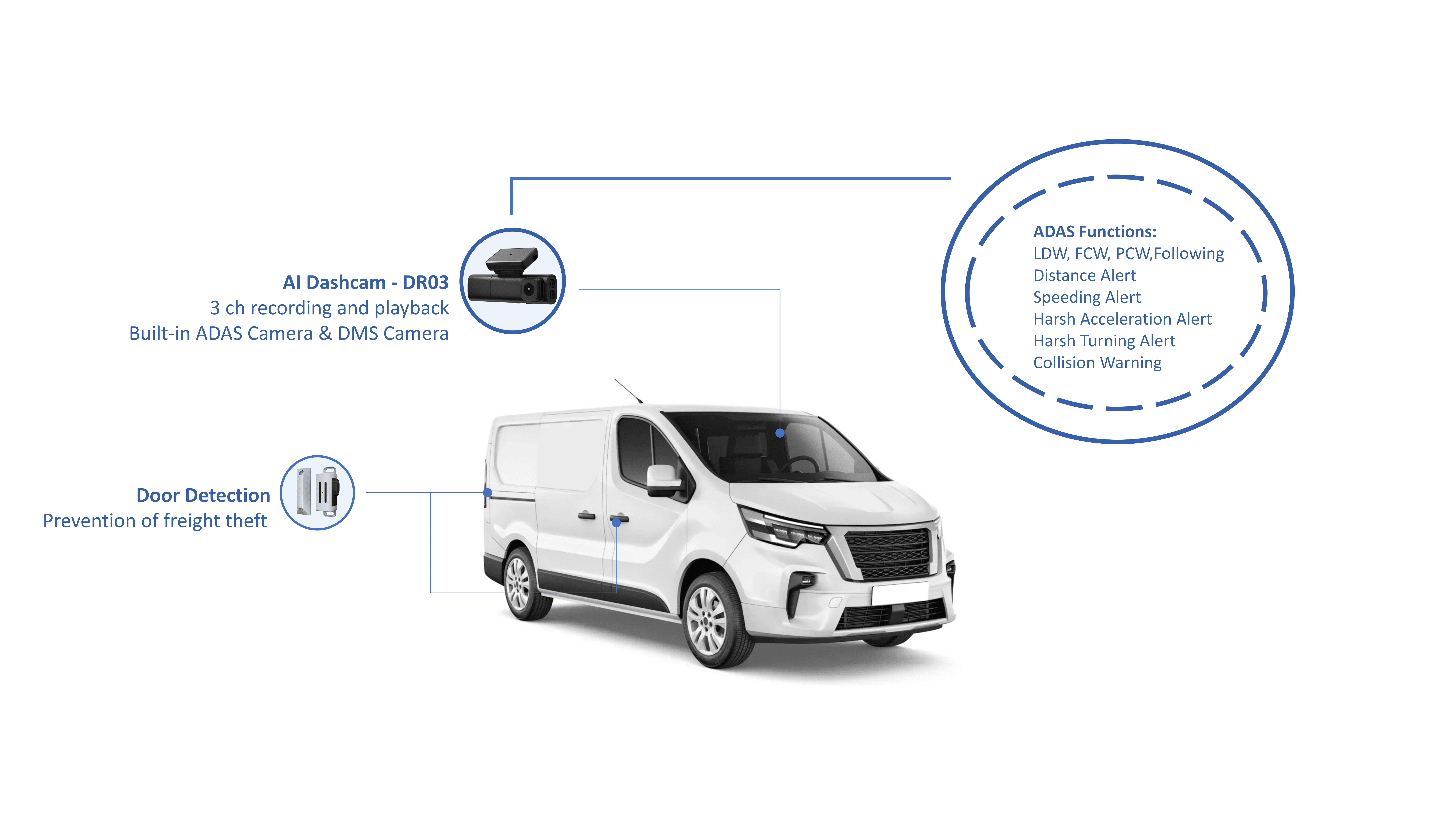
– AI video telematics: driver-facing and road-facing video, event detection (hard braking, lane departure, near-collisions), automated incident clips.
– Overlap: both can timestamp events and feed alerts to dispatch, but telematics focuses on telemetry; AI video focuses on behavioral context.
Operational impact and who benefits most
Which one moves the needle depends on the problem you’re solving.
– Reduce idle time and improve routing: telematics delivers measurable gains.
– Defend against false claims and train drivers with real examples: AI video wins.
– Small fleets with tight budgets often start with telematics; larger fleets or those facing liability concerns layer in AI video.
– Both systems together produce better coaching because data plus footage equals facts drivers accept.
Implementation and data flow realities
Expect different setup and data demands.
– Telematics installs are lightweight: an OBD or CAN interface and cloud reporting. Data volume is modest.
– AI video needs cameras, edge processing or high bandwidth for uploads, and storage policies for footage retention.
– Integration matters: a platform that ties dashcam clips to specific telemetry events makes investigations faster. Ask vendors about export formats and retention controls before you sign.
Cost trade-offs and total cost of ownership
Costs split into hardware, connectivity, and human time.
– Telematics hardware is cheaper; monthly connectivity fees are lower.
– AI video raises costs via camera units and higher data plans or edge compute needs; but footage can cut investigation time and insurance payouts.
– Run the numbers for at least six months: include investigation hours saved, insurance friction reduced, and driver coaching time.
Common mistakes fleet operators make
Practical, avoidable errors I’ve seen:
– Buying multiple point solutions that don’t share IDs—investigate integration first.
– Expecting AI video to replace basic telematics—video adds context, it doesn’t replace location or engine data.
– Skimping on driver buy-in—hidden cameras without transparent policy = morale problems. Clear policies and training make adoption smooth.
– Ignoring data governance—decide retention windows and access rules up front to remain compliant and keep storage costs predictable.
What to test before you commit
Run short, focused pilots with clear success metrics.
– Objective: reduce at-fault incidents, cut average investigation time, or improve on-time rate.
– Duration: 60–90 days with a representative sub-fleet.
– Measure routinely: incident counts, average time to close an event, driver feedback.
– Evaluate suppliers by how easily they connect telemetry to video clips and whether dashboards show meaningful trends, not just raw feeds.
Practical buying checklist
Use this quick checklist when talking to vendors:
– Does the platform link telematics events to video clips?
– What are minimum connectivity and storage requirements?
– Can you export data into your existing fleet management tools?
– What driver-facing features exist for coaching?
– How are privacy and retention handled?
Lean on answers that show real-world deployment experience rather than marketing lines.
Final synthesis
If you need baseline operational control and routing, start with robust telematics; if your primary concern is driver behavior, liability or training, add AI video to the mix. Both make more sense when they share identifiers and workflows so dispatch, safety and compliance teams work from the same facts. For fleets that want practical, integrated solutions tested against real operations, consider vendors that demonstrate live interoperability and clear retention policies—like teams that have deployed combined systems in municipal and regional commercial fleets. The clearer the integration, the simpler it is to turn data into coaching and fewer headaches, which is exactly the kind of reliable support BSJ aims to deliver.