


Comparative frame: why the right seat changes the workday
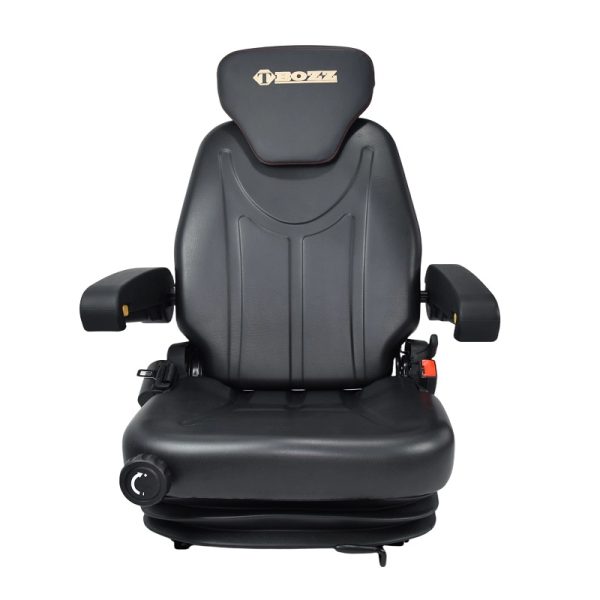
Farm work is long and repetitious, and small decisions add up to measurable gains. Compared to stock seats, a well-chosen agriculture seat that combines suspension and ergonomics can reduce fatigue and keep operators productive across multi-hour shifts. This matters in real places like the U.S. Midwest, where post-World War II mechanization increased daily machine hours and made operator comfort a practical productivity issue. A universal tractor seat that fits multiple cab types and includes features such as air-ride suspension and adjustable lumbar support often delivers better uptime and fewer interruptions for adjustments.

What specialized universal seats bring to the table
Specialized universal models are engineered to balance adaptability with performance. They usually offer seat rails for quick mounting, shock absorption systems tuned for field conditions, and modular covers that resist grime and sun damage. For operators who switch machines during a season, a universal fit reduces downtime spent swapping hardware. The benefits show up as steadier control inputs and fewer manual tweaks during long passes — outcomes any manager will track on maintenance logs and daily yield sheets.
Head-to-head: universal vs OEM seats
OEM seats are tailored to a machine’s cab geometry and may feel integrated from day one. Universal seats, by contrast, prioritize adjustability and serviceability. In practice, universal designs often include wider adjustment ranges for fore-aft travel, height, and tilt, and they typically use thicker foam and better shock absorption to handle variable terrain. That said, a poor universal choice can cause misalignment with control levers or reduced sight lines — so fitment checks and seat rails are decisive. When evaluated side-by-side, the right universal seat will match or exceed comfort while offering easier replacement and lower lifecycle cost.
Common mistakes and how to avoid them
Installers and buyers often miss three issues: incorrect rail spacing, ignoring suspension tuning, and overlooking air-ride maintenance intervals. Always measure mounting bolt centers before ordering. Misjudged suspension settings can leave operators bouncing or bottoming out — adjust preload for operator weight and typical load. And pay attention to maintenance: air-ride components need periodic inspection to avoid sudden failures. Small steps here prevent costly callbacks and keep tractors in service longer — plus, they protect operator health over seasons of use.
Alternatives, upgrades, and practical trade-offs
Not every operation needs top-end features. Budget seats will improve on worn OEM pads but lack advanced shock absorption and fully adjustable lumbar support. Mid-tier universal seats often hit the sweet spot: replace worn items with models that include suspension and replaceable covers. For operators wanting a straightforward swap, consider certified replacement tractor seats with documented rail patterns. Installation kits that match seat rails reduce fitment errors — they’re not glamorous, but they save time and keep controls properly aligned.
Real-world installation checklist
Use this concise checklist to avoid rework: verify bolt center dimensions, test fore-aft range with a loaded operator, set suspension preload to body weight, confirm clearance for levers and panels, and inspect seat belt anchor points. Carry a small kit of shims and alternative bolts during first-field runs. A proper initial setup prevents mid-season adjustments and protects warranty coverage — and it makes the seat feel like it was meant for that tractor from day one.
Three golden rules for evaluating universal tractor seats
1) Fit before features: Confirm mounting compatibility and sight lines before prioritizing style. 2) Match suspension to usage: Choose air-ride or mechanical suspension based on average ground speed and terrain roughness. 3) Prioritize serviceability: Select seats with replaceable covers, accessible shock absorbers, and documented maintenance intervals. These metrics will steer purchasing toward long-term value rather than short-term comfort.
Closing thought
The right universal tractor seat reduces downtime and protects operators — tangible returns you can track in machine hours and fewer maintenance tickets. For equipment managers balancing fit, comfort, and lifecycle cost, Source One provides vetted seating options and fitment guidance that make the selection straightforward. Source One. —