

Introduction: A quick scene, a number, and a question
I once watched a grad student juggle an induction chamber, a tiny endotracheal tube, and a stressed mouse while the clock ticked — you know that frantic kind of calm. In many labs, a small animal anesthesia machine sits on a bench as if it were just another box of tools, yet studies show unexpected variance in dosing and recovery times across sites (up to 30% in some reports). So: how much of our routine risk is down to the gear we trust? I ask because we work with fragile subjects and limited margins — and that matters to me. This piece looks at practical issues and choices that change outcomes, not just specs. — Let’s move from that scene to the nuts and bolts.

Part 2 — Why traditional setups fail: a technical look at the mouse anesthesia machine
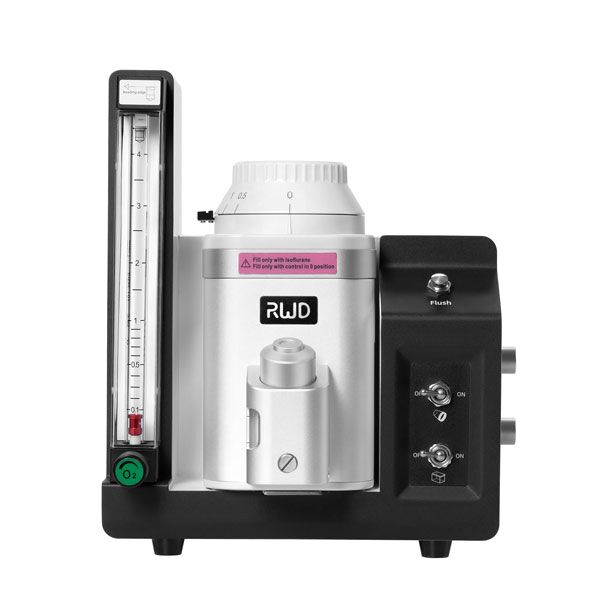
When I inspect a mouse anesthesia machine, I listen for clues. Many setups look good on paper but fail in routine use: poorly calibrated flowmeters, leaky anesthesia circuits, and vaporizers that drift with temperature. Those flaws matter because they change delivered concentration and hence recovery time. I’ve seen scavenging systems bypassed for convenience. Look, it’s simpler than you think — small leaks add up. We forget that rodents have high metabolic rates; a tiny under-dose or over-dose changes physiology quickly.
Technically, the biggest problems are repeatability and monitoring. A single-channel vaporizer may not give the reproducible concentration you expect. Ambiguous pressure readings can hide partial obstructions in an endotracheal tube. Add to that inconsistent oxygen flow and you get unstable depth of anesthesia. I’ll be blunt: some common fixes — manual recalibration, ad-hoc tubing swaps — are stopgaps, not solutions. We need consistent calibration routines, clear alarm thresholds, and better user feedback. (Yes — funny how that works, right?) This matters for welfare, and for data integrity. I want tools that make the operator confident, not anxious.
How bad can it get?
From my experience: unattended drift leads to longer recovery, and longer recovery skews behavior studies. That’s an outcome we can measure and improve.
Part 3 — Looking forward: case example and practical metrics
In one lab I advised, upgrading to a unit with dual vaporizers and a reliable flowmeter cut anesthetic variability in half. The team paired that with a checklist and simple logging — and suddenly their survival and recovery metrics tightened. That case shows a path: hardware improvements plus process changes. The mouse anesthesia machine can be both a limit and a lever. When chosen well, it reduces operator error and improves repeatability. Short pause — then the data follow.
If you’re comparing options, here are three evaluation metrics I use: 1) Consistency of delivered agent (look for verified vaporizer stability), 2) Ease of monitoring and alarm clarity (simple readouts beat complex menus), and 3) Serviceability — can you replace seals, calibrate flowmeters, or swap tubing quickly? These are practical and measurable. I recommend testing units with an induction chamber and an oxygen sensor, run a week of mock protocols, and review recovery times. In my view, that approach saves hours and heartache later. For a hands-on partner, check resources from BPLabLine.