

A Northeast Morning, a Leaky Pallet, a Simple Question
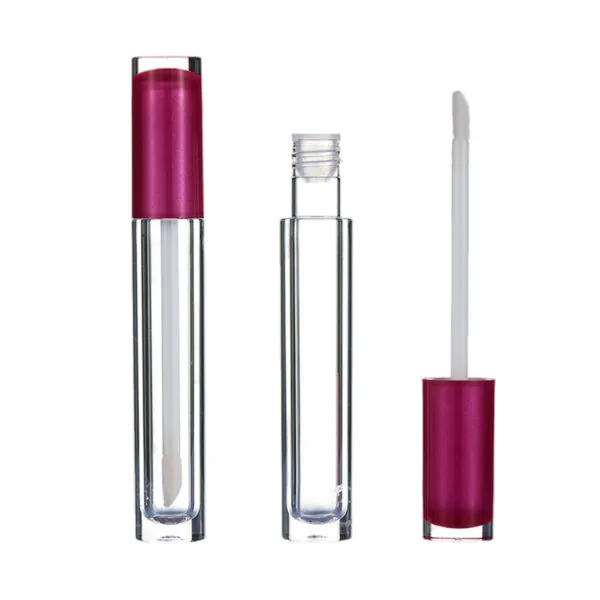
It’s 6 a.m. on a chilly loading dock, and a pallet is sweating gloss. Your lip gloss tube manufacturer swears the run is clean. But your lip gloss tubes supplier knows the returns tell a different story. Last week’s QA pull showed 2.7% micro-leaks after a 24-hour upright hold, and customer tickets jumped 11% by Friday. Not catastrophic, but wicked annoying. The team blames cap torque, then blames shipping, then blames “thick formula.” Meanwhile, the promo clock ticks, and the store set can’t wait. Here’s the rub: the root cause hides in plain sight—tiny clearances you can’t see, a wiper that hugs too hard, a stem that wobbles when it shouldn’t (we’ve all been there). So the question lands hard: what really changes when you tune the seal, not the spin?
Let’s unpack the deeper issue and see why the usual fixes fall short.
Hidden Pain Points Most Teams Miss
Why do leaks persist?
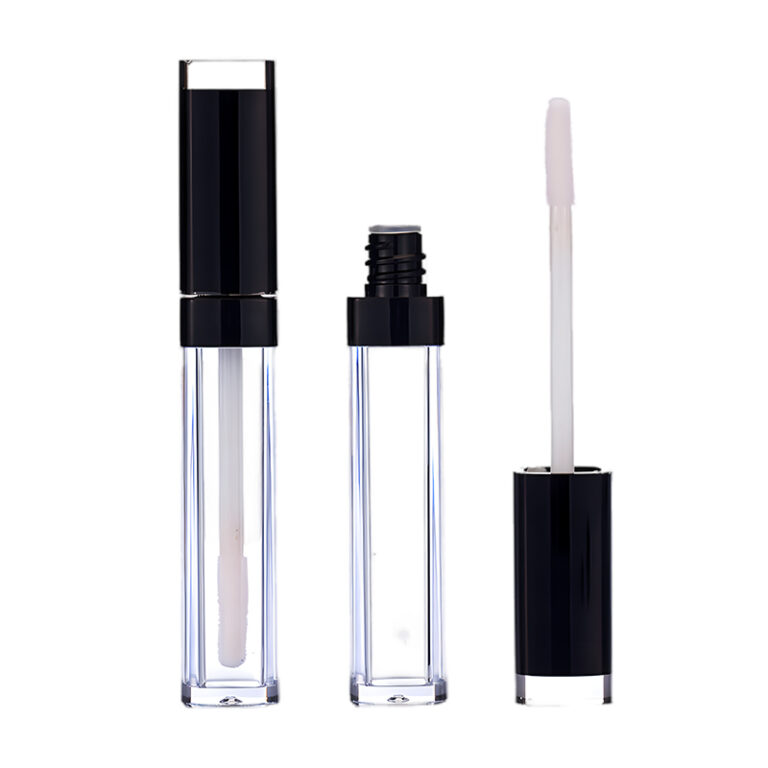
Let’s go technical. Most “leak” drama isn’t about the cap. It’s about the interface between stem, wiper, and neck. In injection molding, a small tolerance stack-up can push the stem off-axis. That opens a micro-channel. The cart rides fine in the plant, then fails after heat cycles in transit. Add a viscous formula and a tight wiper lip, and you build pressure in the barrel every time the user re-seats the doe-foot. Cap torque spec looks guilty, but it’s a decoy. Even changing to PCR resin can shift shrink rates and close up clearances you counted on. Look, it’s simpler than you think: if the seal geometry isn’t centered and repeatable, leaks sneak past AQL every time.
The other pain is usability. When the wiper is too aggressive, customers twist harder, then over-torque. That distorts threads and chews up the gasket. Now the shelf test passes, but the handbag test fails. You see it in returns and sticky caps. The fix is not “tighten it.” It’s rebalancing the stack: adjust wiper durometer, refine thread pitch, set cap torque limits, and validate with thermal cycling. Add basic SPC at the press, not just at final pack-out. That’s where you catch drift before it becomes fallout.
Looking Ahead: Better Builds, Fewer Surprises
What’s Next
Here’s the forward look. New seal designs use monomaterial approaches and cleaner geometry, so flow paths are predictable. A good lip gloss empty tubes manufacturer in china will pair tighter cavity matching with inline vision that measures stem concentricity in real time. Some lines add ultrasonic insertion for wipers to hold seat depth within tenths. Others use leak-test rigs with low-pressure decay at 300 mbar to spot the micro-channels that dunk tanks miss. The idea is simple: control variation upstream, not with rework. And yes, these tweaks cut scrap while reducing overfill compensation—funny how that works, right?
Case in point. One indie brand saw 2.3% leaks on summer shipments. They shifted to a redesigned wiper profile, bumped durometer by 5A, and aligned thread lead with a tighter torque window. They also added a short thermal cycle screen at pack-out. Returns fell to 0.2% within two drops. No heroics. Just better fundamentals and measured assembly. The lesson? You don’t need a moonshot to win. You need visible data, steady tooling, and a partner who treats seal geometry like a system, not a guess (because guessing gets expensive fast).
How to Choose Without Guesswork
If you want fewer leaks and fewer emails, use three metrics when you evaluate suppliers. First, process capability: demand CpK ≥ 1.33 on neck bore and stem OD, plus a verified low-pressure decay test and a -10°C drop test protocol. Second, material clarity and sustainability: consistent resin lots, PCR resin percentage disclosed, and true monomaterial options that still hold viscosity. Third, operational control: measured cap torque spec with real SPC at assembly, clear changeover times, and traceable corrective actions within 48 hours. Stack these three, and you’ll sort the talkers from the builders. And if you need a starting point or a second set of eyes, there’s always NAVI Packaging—right there when you’re ready to tighten the seal and calm the inbox.