

A Real-World Scene, A Few Numbers, One Big Question
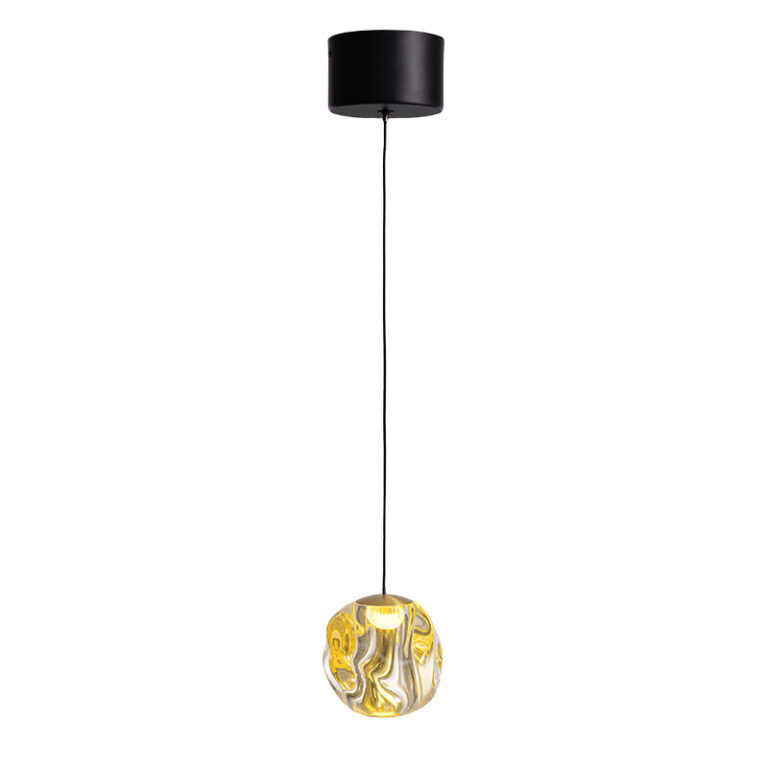
You step into a kitchen after dusk. The surfaces look flat, shadows run long, and the mood feels off. The pendant light company you pick sets the tone for all that. Picture a sleek decorative pendant light over the island, yet the colour looks dull and the glare stings your eyes. Data backs the feeling: low CRI can make food look grey, poor lumen output leaves corners dim, and a mismatched dimming curve causes flicker you can’t unsee. So, how do you compare makers in a simple, fair way (without getting lost in specs)? Here’s a starter: think about the room use, the control gear, and the build. Then ask what proof the brand gives. Testing reports. Driver compatibility. Thermal management notes. Bold claim, yes, but these three angles will save you time and rework. And they’ll keep your evening calm, not clinical. Ready to dig deeper and see what most solutions miss—and what to look for next? Let’s move ahead.
Under the Shade: What Traditional Solutions Miss
Where does glare come from?
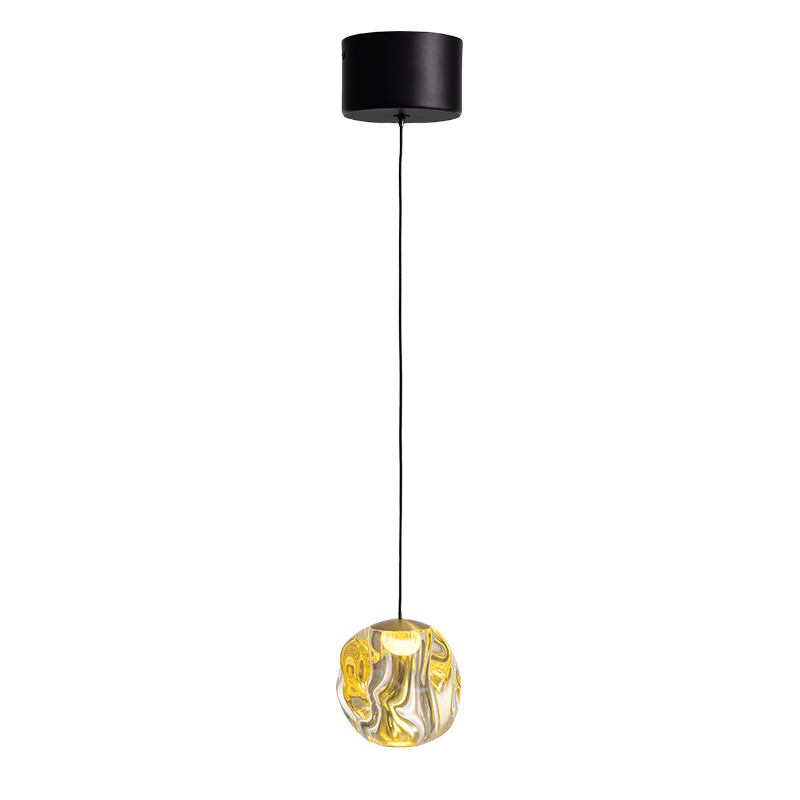
Old-school pendants often chase looks first. The flaws show fast. Exposed bulbs create high luminance contrast, so your eyes work harder. The optics are thin, so beam angles spill light in all directions. Driver circuitry can be generic, which leads to flicker at low dim levels. Poor thermal management ages the LEDs, lowering output and shifting colour over time. Look, it’s simpler than you think: a pendant is a system. Optics, driver, heat sink, and housing. If one fails, the whole user experience slips.
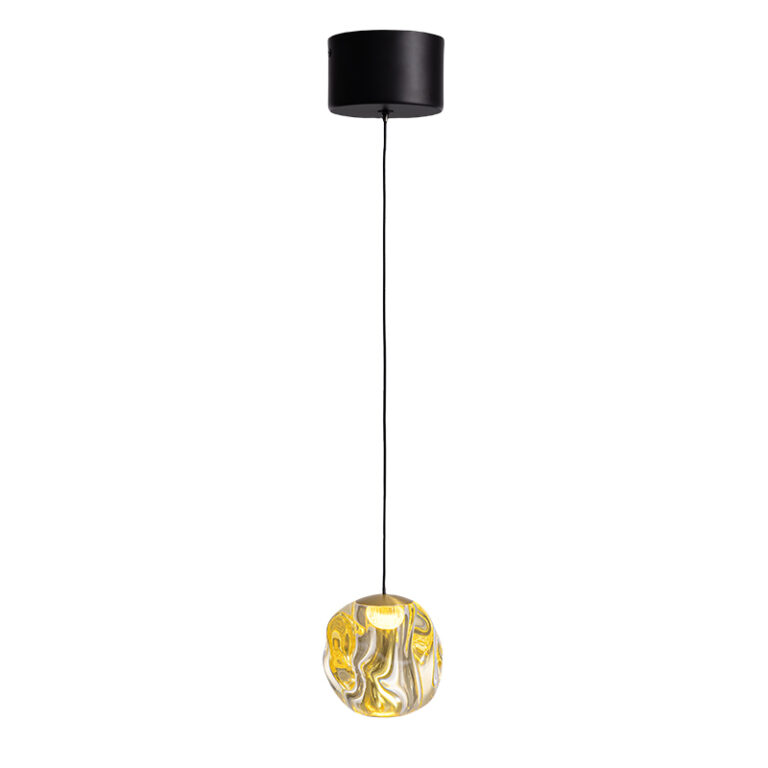
There’s more. Many fixtures ignore real-life control stacks. They dim on PWM but don’t sync with smart wall controls, so the flicker index stays high. Some power converters buzz at certain loads—annoying. Others hit claimed lumens only in lab temps, not over a hot stove. And mounting? Thin canopies hide wiring but leave no space for surge protection or strain relief—funny how that works, right? The hidden pain points are simple: eye fatigue, colour drift, and fussy maintenance. Compare by asking for CRI and R9 values, dimmer lists, and LM-80 plus TM-21 projections. If a product team can’t show these, you’re buying a look, not a light.
Next-Gen Principles: How Better Pendants Change the Game
What’s Next
Let’s shift to the “how.” New technology fixes the old gaps with clear principles. First, layered optics. A soft diffuser pairs with a micro-prism lens to cut glare while keeping useful lumens on the task plane. Second, smart drivers. Good drivers map clean current to the LEDs, so the dimming curve feels natural from 100% to nightlight levels. Third, heat as design. A hidden heat sink moves warmth away from the board, which stabilizes colour and extends life. Tie all this together and you get quiet hardware, steady output, and consistent tone from day one. Compared to legacy pendants, modern units coordinate driver, optics, and housing like parts of a single instrument—precise yet simple to use.
Now consider integration. The better systems document control compatibility, from 0–10V to trailing-edge dimmers, and even low-voltage track with remote drivers. They publish glare ratings and beam spreads you can trust. When you scan options for interior pendant lights, look for proof, not promises—test reports, photometry, and thermal data. In short, choose by evidence and fit. The result is a space that feels calm and looks true. No hum, no strobe—just light that works where life happens. Advisory close: use three metrics to compare makers. One, visual comfort index and UGR or equivalent glare measures. Two, control performance, including flicker percentage at low dim and driver compatibility lists. Three, lifespan credibility, backed by LM-80/TM-21 and real ambient test notes. With these, your decision gets faster, and your room gets better. That’s the point, after all—people first, light second, and gear that stays out of the way. kinglong