
Introduction — a quick scene, a number, a question
Have you ever stood in a tiny lab room at midnight, watching samples pile up while the team waits for clean results? In many labs today, automated nucleic acid extraction is the promised cure — machines, speed, less human error. Yet data shows contamination and low yield still plague routine runs (up to 10–15% reruns in some busy facilities). So what really separates a smooth extraction from a cycle of repeats and frustration?
I’ve worked with teams who celebrate when one run goes perfectly and wince when the next fails. I want to share what I’ve learned in plain terms — short explanations, practical points, and a few trade-offs we all face. Let’s move from the scene to specifics, and then toward choices you can actually use.
Deeper Look: Where Traditional Methods Fall Short
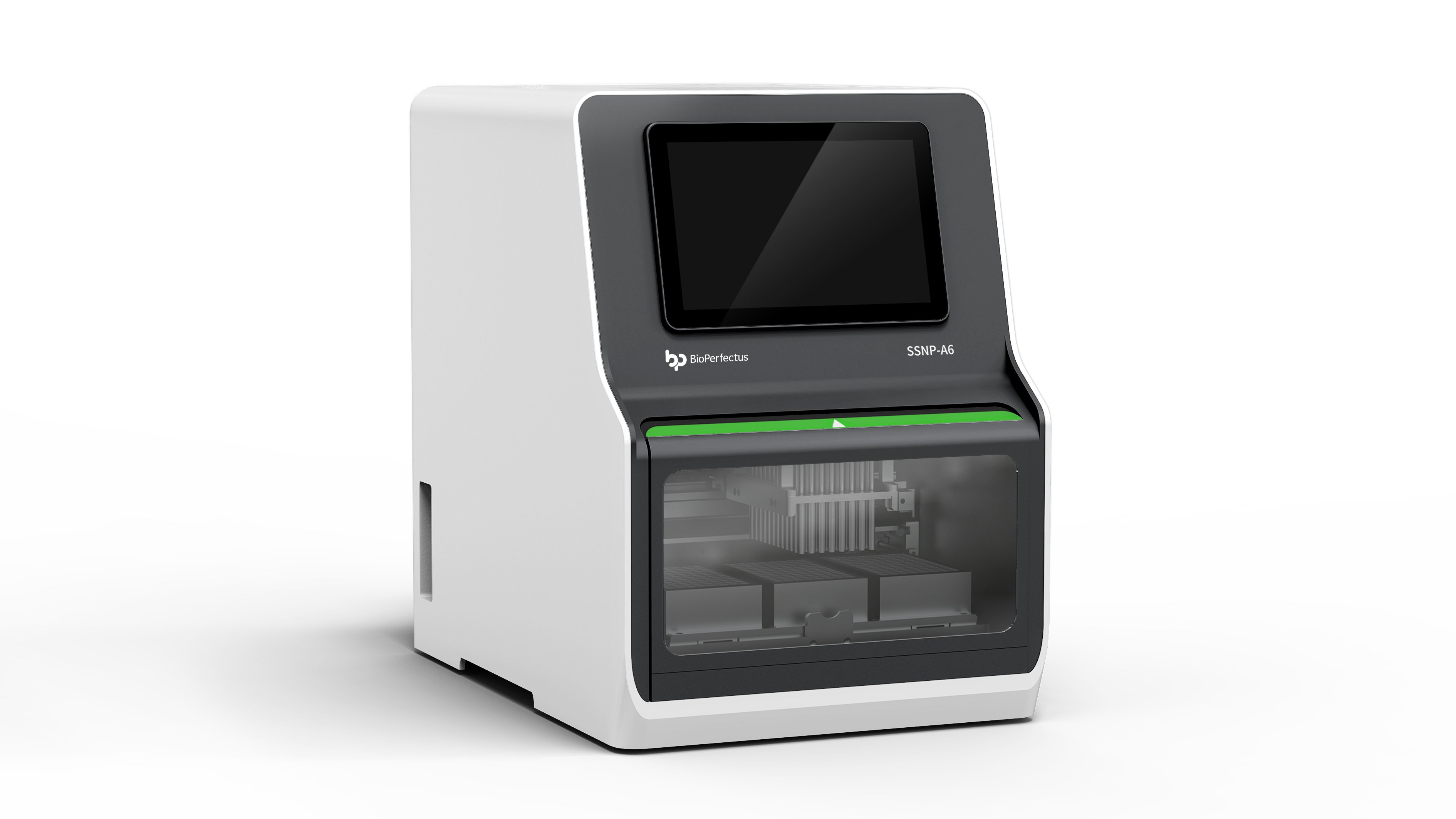
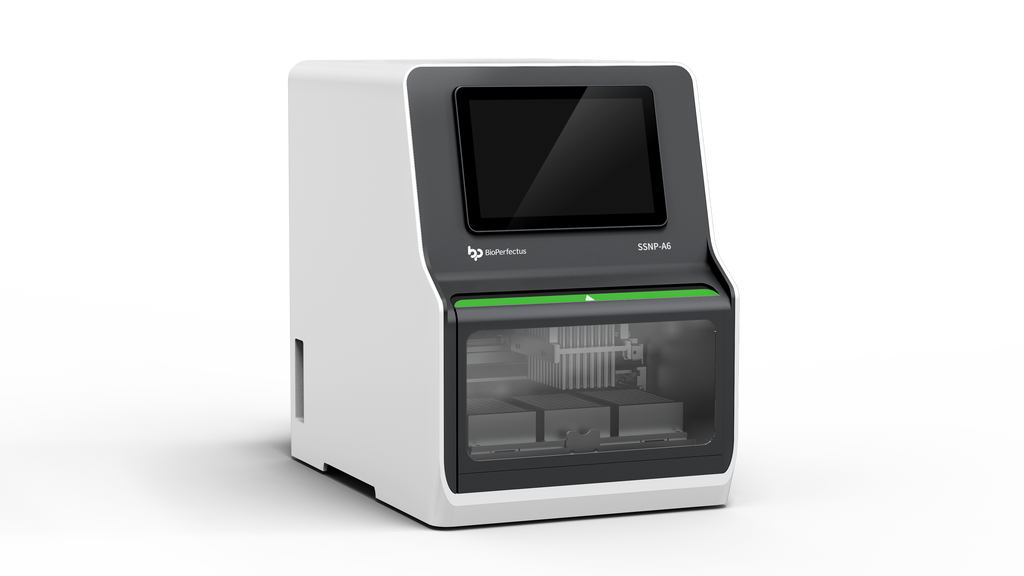
When I examine lab workflows, the first weak link is manual handoffs. Even today, many labs rely on semi-automated setups that still demand repeated pipetting and open-plate transfers. That’s where a true automated nucleic acid extractor makes a difference — by sealing steps and standardizing times. But not all automation is equal. Old systems often underperform on magnetic beads recovery, mishandle lysis buffer volumes, and leave traces of PCR inhibitors in the eluate. These flaws show up as inconsistent Ct values and wasted reagents.
Why do old systems still linger?
Look, it’s simpler than you think: cost and habit. Labs keep familiar equipment because retraining and capital outlay feel risky. Yet the hidden costs — repeated runs, technician overtime, sample loss — add up. I’ve seen throughput stall because a single module failed and there was no hot-swap option. Also, outdated software can’t adapt to new extraction chemistries, so you end up forcing a modern protocol into an old machine. That mismatch creates poor yield and longer turnaround time — frustrating for everyone involved.
Forward View: New Principles and How to Choose
Moving forward, we should look at the underlying principles that make newer platforms better. A modern automated nucleic acid extractor blends improved fluidics control, closed-system handling, and smart error detection. In plain words: precise pipetting, fewer open transfers, and real-time alerts. These advances reduce cross-contamination and help labs hit consistent sample throughput. I’m encouraged by systems that let you tune lysis times and bead binding windows — small settings that change outcomes.
What’s Next — practical guidance?
Here are three metrics I use when advising labs (and you can use them too): 1) Yield consistency — check variance across 24 runs; 2) Time-to-result — measure hands-on time vs. total run time; and 3) Robustness — how the machine handles problematic samples (low input, high inhibitors). Choose a platform that scores well on at least two. Also — funny how that works, right? — prioritize vendors who offer real-world validation data, not just glossy brochures.
I’ll close with honest advice: automation is not magic, but it’s the tool that lets skilled people do reliable work faster. We should aim for systems that cut re-runs, protect samples, and grow with your lab. For practical purchases and tested systems, I’ve found reliable options from trusted vendors (and if you want to look further, check resources from BPLabLine).