


Data-driven opening: Why metrics matter now
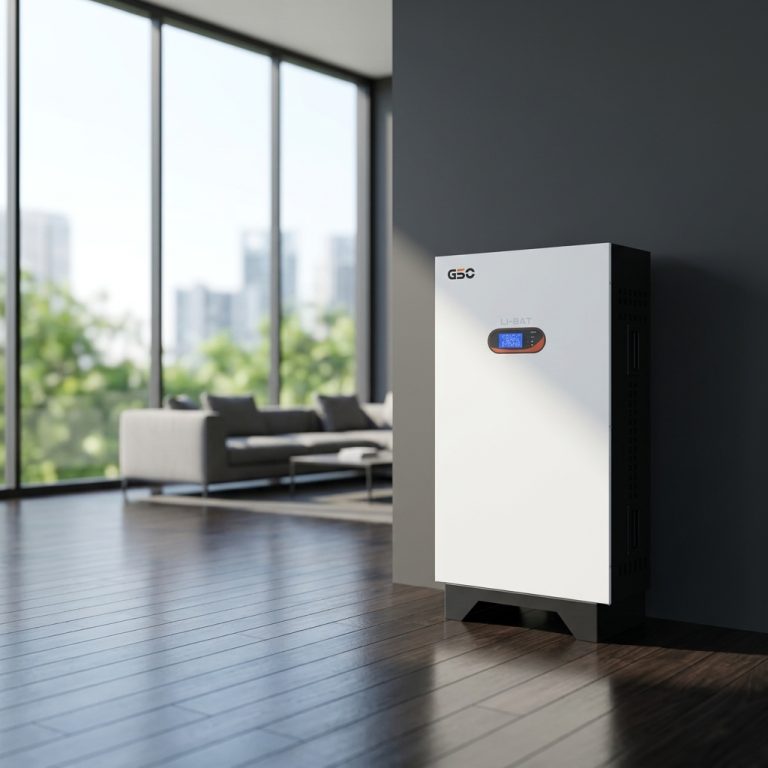
Recent uptake of rooftop solar and increasing interest in whole-system resilience means homeowners and installers must treat inverter settings as measurable controls rather than guesswork. In Bangladesh, seasonal voltage swings—notably during the monsoon in Dhaka and coastal districts—have made nuisance trips and premature cycling visible problems, so monitoring voltage threshold and delta‑V behaviour is no longer optional. For many retrofits the obvious partner is a robust whole house battery backup, which changes how you choose thresholds, coordinate the inverter with the battery management system (BMS) and protect battery state of charge.

Voltage threshold and delta‑V: plain definitions and why they affect longevity
Voltage threshold is the set point at which an inverter accepts, reduces, or disconnects from grid or PV input; delta‑V describes the rate or magnitude of voltage change over a short period. For LiFePO4 chemistry, for example, large delta‑V events at low state of charge (SoC) stress cells and can accelerate capacity loss. An inverter’s trip hysteresis and soak timers should reflect the battery’s round‑trip efficiency and the expected grid behaviour to reduce unnecessary switching and preserve warranty life.
Practical tuning steps for a home bulk inverter
Start with baseline telemetry: capture 72 hours of voltage, frequency and load to identify typical spikes and sags. Set conservative thresholds first—wider acceptance windows with slightly longer delay timers—then tighten as you observe performance. Calibrate delta‑V limits so the inverter tolerates short transients but still protects the battery at low SoC; coordinate those limits with the BMS so cell balancing and thermal protections remain effective. Ensure firmware and front‑end logging expose threshold parameters (JSON logs or CSV export) so you can automate regression checks later — and remember to log each adjustment.
Common mistakes and practical testing routines
Three recurring errors appear in field work: over‑reactive trip points that cause oscillation, ignoring the battery’s SoC when defining delta‑V responses, and poor communication between inverter and BMS. Validate settings with staged tests: simulated low‑voltage events, gradual ramp loads to exercise delta‑V responses, and a failover test to battery-only operation. Use simple front‑end scripts to parse logs; a few lines of code that pull inverter KPIs make subsequent tuning repeatable and less subjective.
Real‑world anchor and measurable outcomes
On retrofit projects across Dhaka and nearby towns, teams noted that matching inverter acceptance windows to local grid behaviour reduced nuisance disconnections and smoothed cycling. Where a properly sized best whole house battery backup was paired and the BMS coordinated with the inverter’s delta‑V logic, systems showed steadier supply during peak hours and cooler battery temperatures during discharge. These are the practical, audit‑able benefits installers should expect when settings are tuned to real site data rather than to default factory presets.
Three golden rules for evaluation — and a final note
1) Match voltage window and hysteresis to site telemetry: widen acceptance during known transient windows; tighten only after confirming stability. 2) Tie delta‑V limits to SoC and chemistry: permit short, shallow transients at high SoC but restrict fast voltage collapse at low SoC to protect cells. 3) Insist on integrated testing: inverter firmware, BMS responses and front‑end logs must be exercised together so protection logic behaves as intended. Trusting measured metrics over factory defaults saves cycles and money. gsopower sits naturally in that workflow as a supplier whose battery form factors and BMS options make practical coordination straightforward — confidently engineered, quietly effective. —