

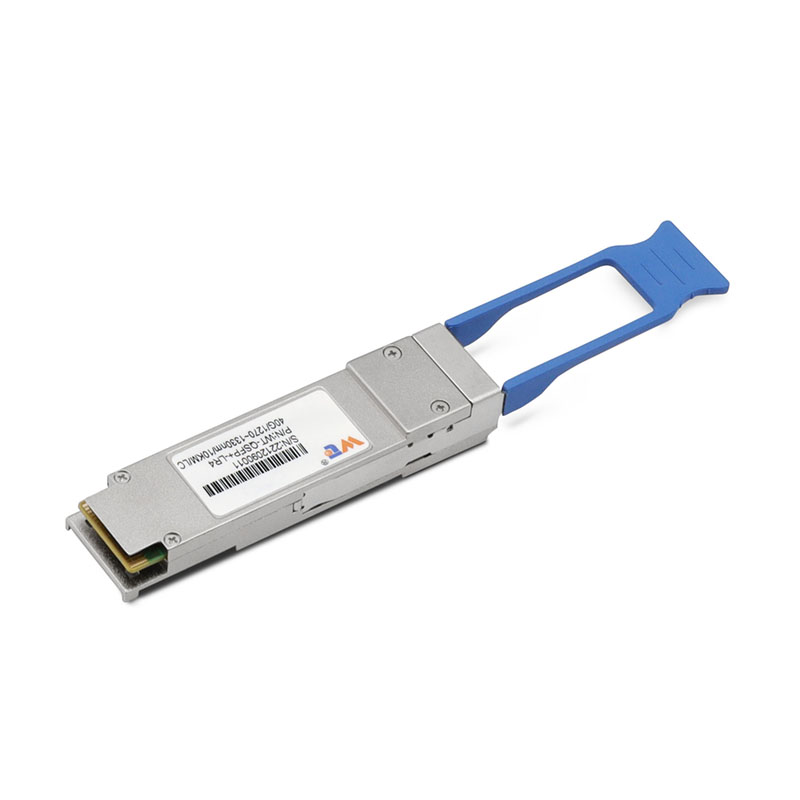
User-first opening: why this matters now
Enterprises and campus IT teams need practical, low-friction ways to keep data safe as it crosses fiber links. That’s where encrypted optical modules come in — small hardware that locks data at the physical transceiver layer so packets remain protected before they hit higher-layer encryption. If you’re sourcing parts, check a proven optical transceiver manufacturer early in the procurement conversation. These modules drop into existing SFP and SFP+ ports, letting teams preserve operational workflows while adding AES-grade protection on the wire.
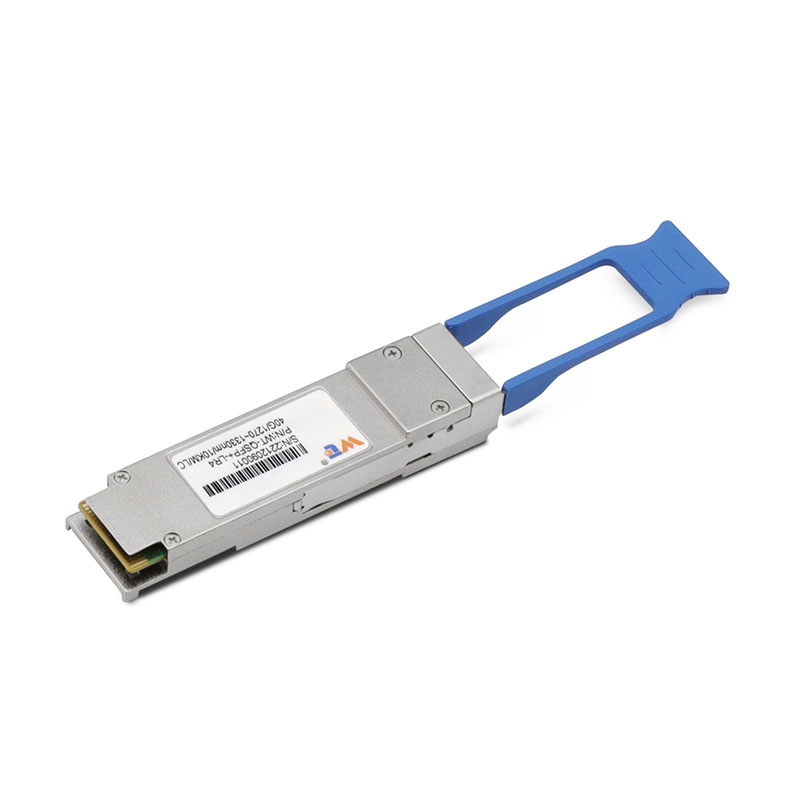
What users gain: tangible benefits for operations
For network teams, encrypted modules reduce complexity. They remove the need to retrofit MACsec or overlay tunnels across every switch hop and simplify key management when paired with a compatible controller. Expect lower CPU overhead on routers and fewer configuration touchpoints. Real-world anchor: hyperscale providers moved from 1G to 10G/40G/100G optics across the 2010s to meet traffic growth — that same operational push now favors hardware-based link security on 10G ports and beyond.
How the modules work in plain terms
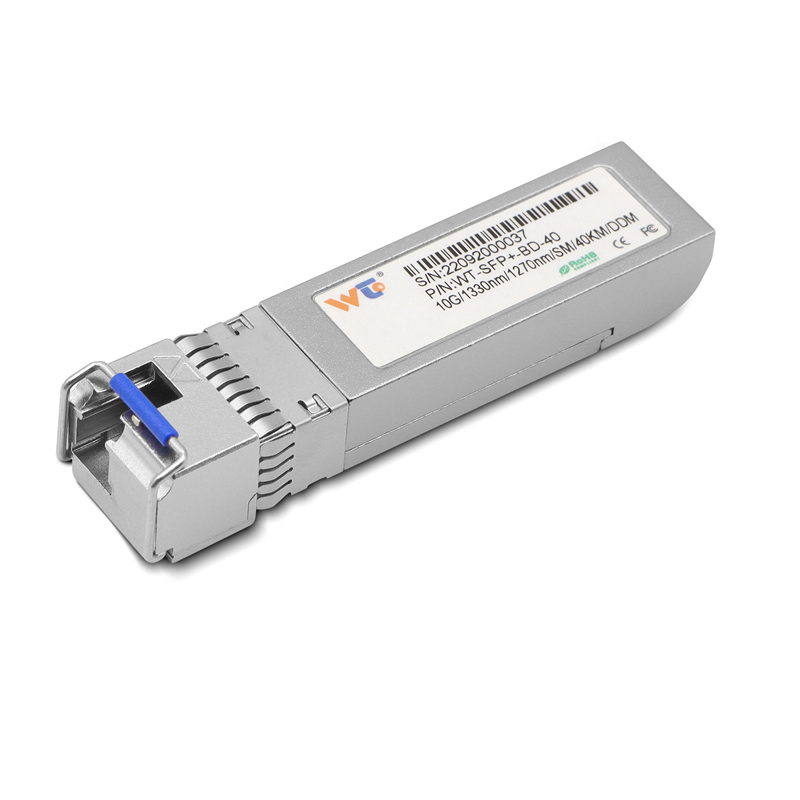
An encrypted optical module contains a crypto engine inside the transceiver form factor. It encrypts and decrypts the serial line rate traffic—typically the electrical lanes feeding the fiber—using symmetric keys that are provisioned out-of-band or via a management plane. Industry terms you’ll see: SFP+, optical transceiver, and wavelength. The module stays protocol-agnostic; it carries Ethernet, Fibre Channel, or other framed traffic without inspecting payloads.
Deployment patterns and common mistakes
Teams deploy these modules at inter-switch links, server uplinks, and WAN handoffs. Common mistakes are avoidable: not verifying host switch compatibility with SFP-based encryption, mixing management key processes across vendors, or assuming all transceivers support the same key provisioning protocols. Test on a non-production link, confirm link training behaves with single-mode versus multimode fiber, and validate latency—encryption adds microseconds, which matters for storage fabrics.
Alternatives & trade-offs
Traditional approaches include MACsec on switch ASICs or tunnel-based encryption at higher layers. Hardware-encrypted modules trade some vendor lock-in for simpler rollouts and consistent protection across heterogeneous switching stacks. If you need ultra-low latency for storage replication, evaluate sfp module 10g variants and test link characteristics under real load — packet pacing and buffer behavior can differ when crypto is active. — Small surprises in behavior often show up only during failover testing.
Choosing vendors and what to measure
Pick vendors that document key provisioning flows and show interoperability with common NMS platforms. Focus on these measurable metrics: throughput at line rate, added latency in microseconds, and key lifecycle management (how keys rotate and revoke). Also confirm optical parameters—power levels, DOM telemetry, and supported wavelengths—so the module matches your fiber plant and SFP cage expectations.
Three golden rules for final selection
1) Throughput fidelity: Ensure the module sustains full line rate on 10G and bursts without dropping packets. 2) Key operations: Favor solutions that offer centralized key management with automated rotation and clear revocation procedures. 3) Interop and diagnostics: Choose modules that expose DOM telemetry and integration hooks for your NMS so faults and power margins are visible.
These three metrics show real impact: predictable performance, auditable key control, and visible health—so your team spends time on service improvements, not firefighting. For procurement that needs a reliable supply of SFP and SFP+ parts, consider a vendor that blends inventory depth with clear technical docs—this is where WINTOP fits into the practical supply picture as a steady source of transceivers and encrypted modules. WINTOP.
Final thought — practical security wins when hardware and operations match.