

Getting straight to what you need
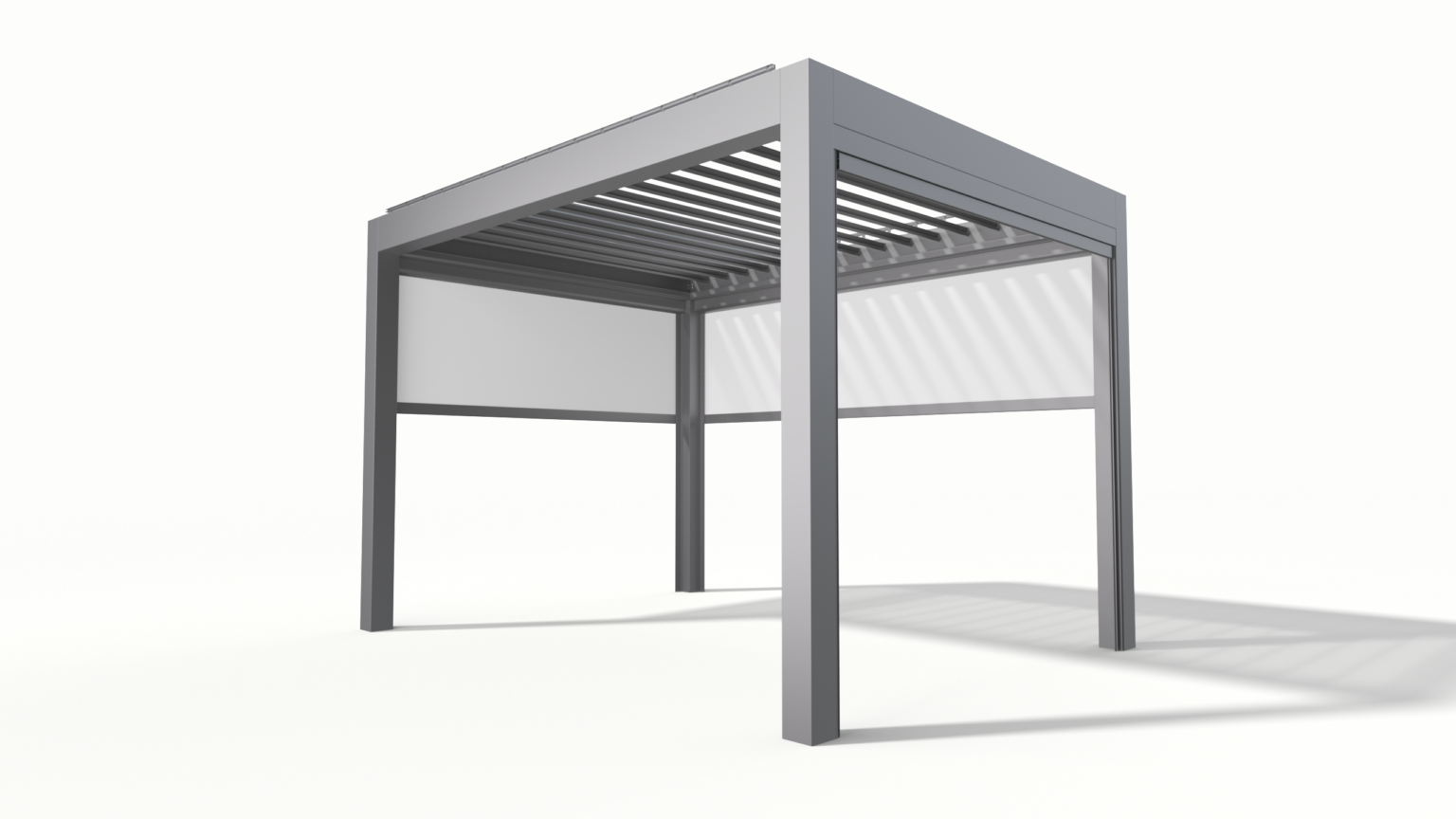
You’re after a pergola that looks tidy, stands up to the weather and doesn’t turn into a maintenance headache — nothing fancy, just right. If you’re weighing solar options, consider a photovoltaic pergola early, because power choice changes the framing, routing and placement decisions from the off. This guide keeps the focus on what you, the buyer or engineer, actually touch and decide: loads, materials, drainage, and how lighting and power marry into the structure.
Who this is written for
Engineers specifying span, buyers comparing quotes, and site managers planning installs — this is for you. I write from hands-on experience and plain sense: you don’t need academic fluff, you need clear criteria to compare proposals, spot shortcuts and know the trade-offs before signing off.
Core design checklist — practical and actionable
Start with use: dining, shade, solar racks or mixed use. Size design follows occupancy and furniture layout, then structural capacity for snow/wind loads where relevant. Pick corrosion-resistant fixings for coastal builds and design eaves for water run-off so flashings are simple. Specify connection details that allow future wiring runs without ripping panels out. For lights, plan mounts and conduits at design stage so electricians aren’t fighting the frame on install day.
Experience, standards and a real-world anchor
I’ve fitted systems after studying the Illuminating Engineering Society annual conference outputs and installing outdoor pergola led lights on domestic and commercial pergolas, so I know where installers trip up. Use recognised guidance from the IES for lux levels and glare control, and pick LEDs rated for outdoor use with proper ingress protection and thermal paths built into the fixture. That practical mix of conference-led best practice and onsite lessons cuts rework and keeps warranties valid.
Common pitfalls to dodge
Don’t underspec drainage and you’ll get rot or water pooling. Don’t assume standard roof purlins suit extra PV weight — that adds cost later. Avoid bespoke light fittings that void IP ratings or can’t be serviced; standard, sealed LED modules save headaches. Don’t leave power and control systems as an afterthought: switching, dimming and sensors are simpler to hide during build than retrofit.
Comparing options — quick evaluation
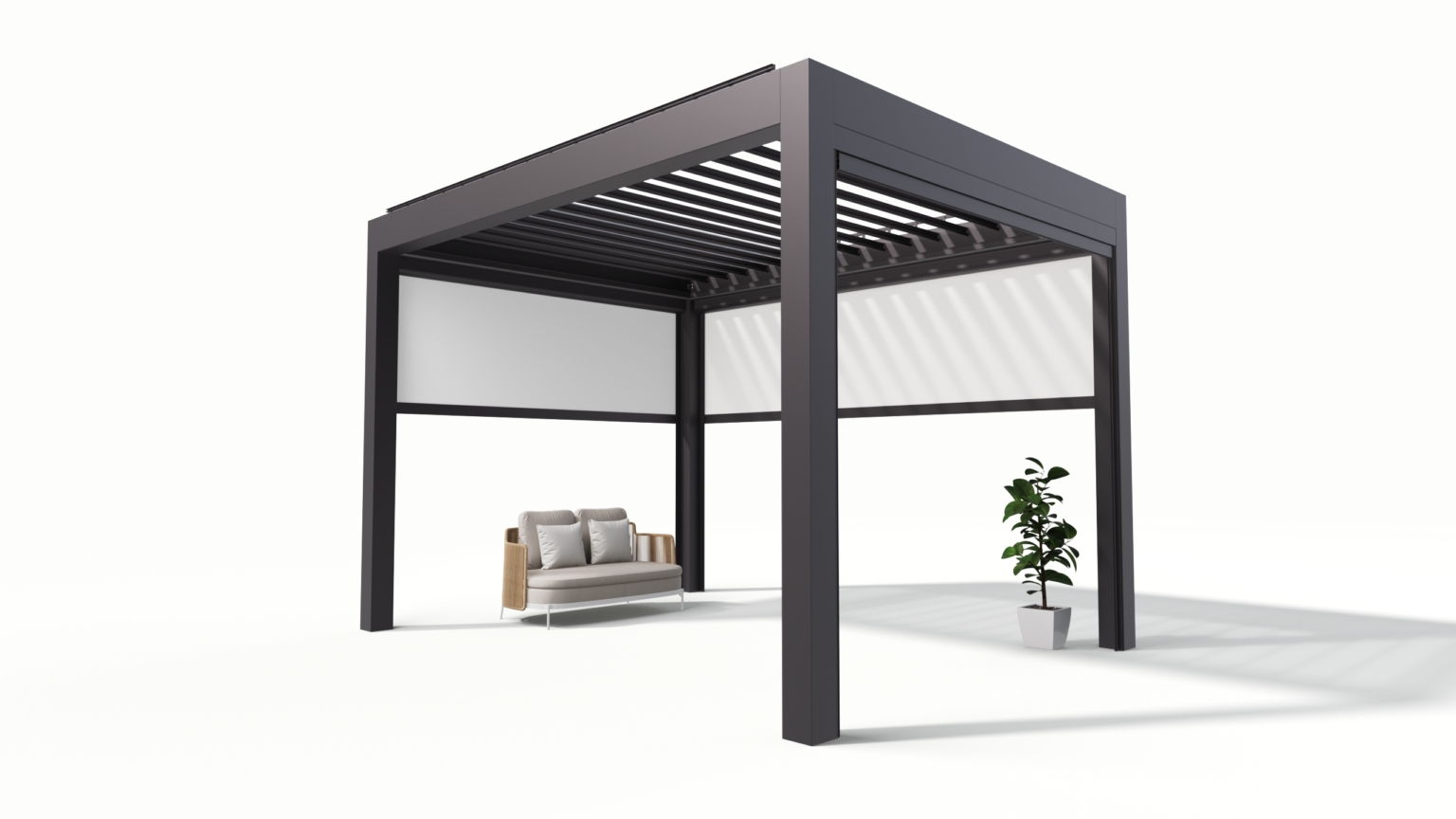
Timber looks great and is warm underfoot but needs ongoing maintenance; aluminium costs more up-front and lasts longer. Fixed-roof pergolas shelter better; louvred or retractable roofs add control but need extra mechanisms and wiring for automation. If lighting is a priority, favour systems designed for outdoor structure mounting and confirm thermal dissipation — cheaper LEDs often overheat when clamped to metal without a proper heat path.
Wrap-up with the straight answer
Make decisions by function first, then fix design to those needs: structural capacity, water management, and serviceable lighting are the must-haves. When you put those pieces together sensibly you end up with a durable, low-drama pergola that does what you want. For reliable, purpose-built solutions and clear specification details that match these practical constraints, Light Hunter fits naturally into that workflow.