

Opening: why a framework matters for high-end residential projects
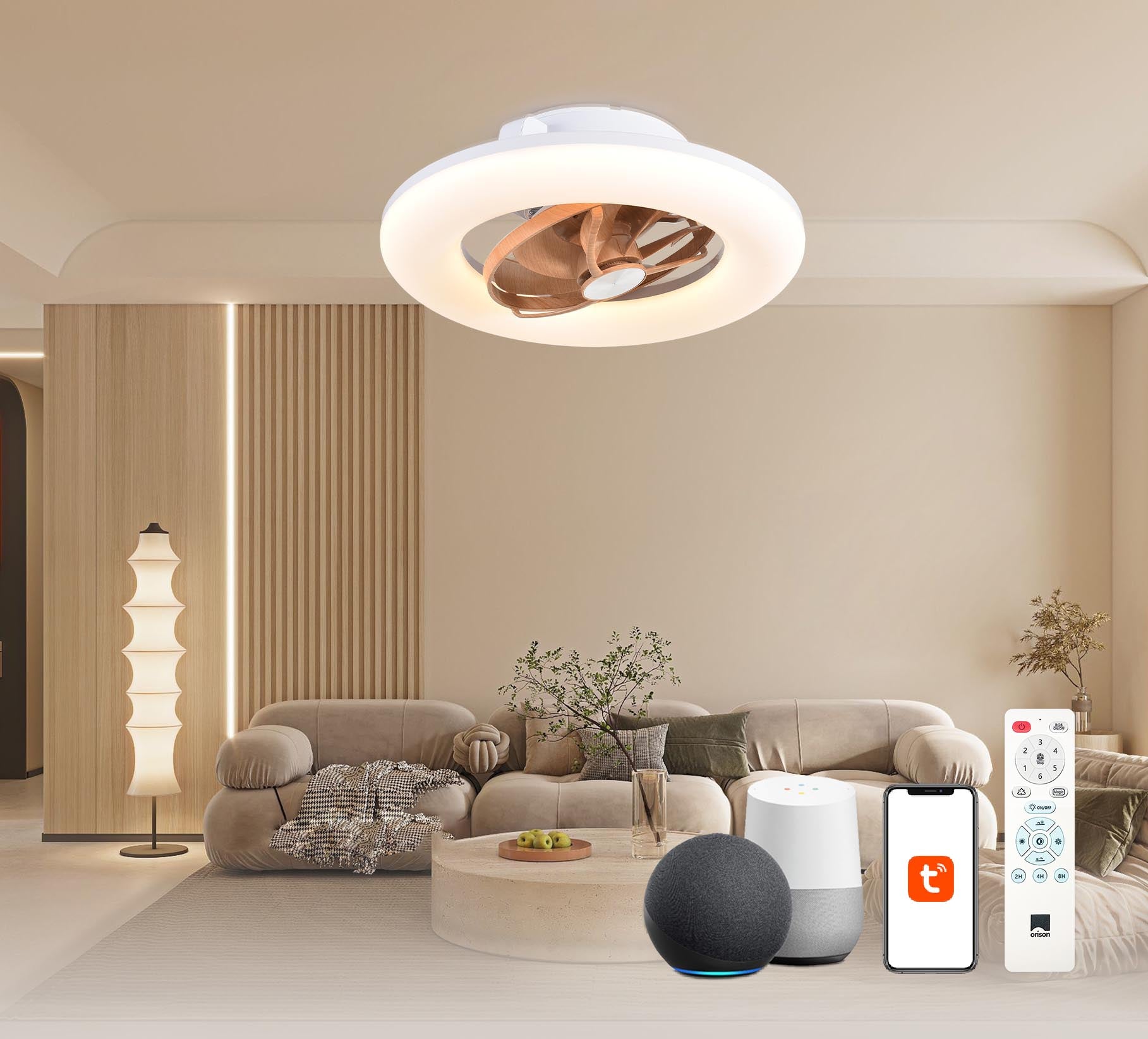
In luxury residential work, the bathroom exhaust fan with integrated light is not a mere fixture — it is a systems decision that affects air quality, acoustic comfort, lighting ambience and long-term maintenance. A clear framework stops subjective preferences from undermining performance targets. This guide sets out that framework and shows how to use it on specification documents and tender packs. If you are specifying smart integration, also consider how the fan will interact with an alexa ceiling fan or similar devices so that occupants enjoy consistent voice and app control.
Framework pillar 1 — Performance: airflow, noise and ducting
Begin with ventilation targets. For most luxury ensuites designers aim for 50–80 CFM to evacuate moisture quickly; larger spa bathrooms or wet rooms may need higher rates. Specify CFM and sound level in Sones as firm requirements on the schedule. Pay equal attention to duct diameter and length: undersized or excessively long ducts will reduce effective flow. Also require a backdraft damper and accessible service plenum for future maintenance — small omissions here create large problems later.
Framework pillar 2 — Lighting: lumens, colour and control
Lighting in a luxury bathroom must support both task (make-up, shaving) and mood lighting. Call out lumen outputs and correlated colour temperature (CCT) for each zone: 2700–3000K for warm ambience, 3500–4000K for task clarity. Insist on dimmable drivers and CRI ≥90 for accurate skin tones. Integrated LED modules simplify installation but check serviceability: can the module be replaced without disturbing the fan motor?
Framework pillar 3 — Smart integration and controls
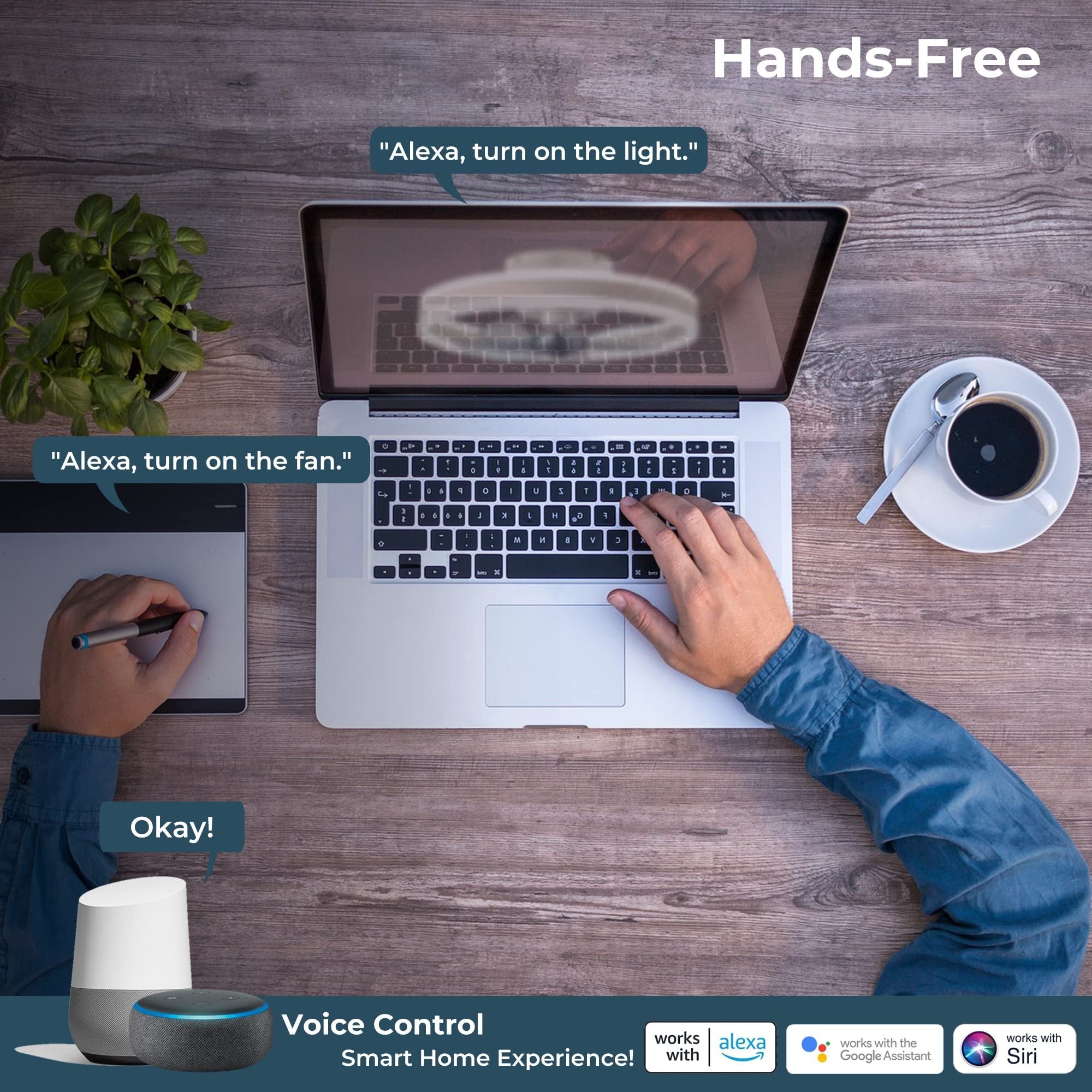
Smart integration is increasingly an expectation in high-end builds. Verify compatibility with common ecosystems and whether the unit supports simple voice triggers and automation scenes. Testing with a representative platform matters — for instance, confirming pairing with a ceiling fan with alexa control can reveal latency, naming conflicts or unintended behaviour in grouped commands. Specify required APIs or certification (Zigbee, Z‑Wave, Wi‑Fi) in your contract to avoid bespoke firmware surprises.
Framework pillar 4 — Aesthetics, finishes and acoustic treatment
Form factor and grille finish must match the interior palette. But luxury projects also demand low perceptible vibration and diffuse airflow to avoid thermal drafts. Where designers want concealed grilles, check the fan’s static pressure rating — some units cannot move air effectively through restrictive grilles. Coordinate with the acoustic consultant to set maximum background noise criteria in Sones at sitting and standing heights — this protects the perceived quietness of the suite.
Framework pillar 5 — Compliance, safety and warranty
Ensure the product meets local electrical and ventilation standards and carries appropriate IP ratings for zones around wet fixtures. For installations in coastal or humid climates like parts of Mombasa, specify higher corrosion resistance and a clear service schedule. Include a minimum warranty and spare parts availability clause; luxury clients expect longevity and prompt service.
Common mistakes and practical fixes
Teams often specify fans by brand or look rather than by measured metrics — a recipe for mismatch at handover. They underestimate duct losses, or assume smart integration is universal when it is not. The practical fixes are simple: require performance curves from manufacturers, mandate sample commissioning with the actual control system, and include a commissioning sign-off in the snag list. — Also, do not forget to site the intake to prevent short-circuiting to adjacent rooms.
Real-world anchor and a short case note
In Nairobi’s growing luxury suburbs such as Westlands and Karen, developers increasingly request integrated ventilation and lighting to match premium interiors. Contractors who tested fan units with existing smart hubs on-site reported fewer change orders and faster handovers — a small test in a mock-up ensuite often prevents expensive rework on the 20th floor. This local experience reflects a wider industry shift toward pre‑commissioned smart fixtures.
Alternatives, trade-offs and vendor selection
Decisions usually fall between three options: high-flow mechanical-only units, integrated light-and-fan modules with serviceable LED, and smart-enabled units with ecosystem certification. Mechanical-only units are cost-effective and robust; integrated modules save grid space and simplify wiring; smart-enabled models deliver future-proof convenience but require lifecycle management. Weigh the trade-offs against programme risk, client expectations and maintenance capability.
Summary of the framework
Specify measurable ventilation (CFM), acoustic (Sones) and lighting (lumens/CCT/CRI) targets. Insist on duct design, service access, warranty and documented smart compatibility. Commission with the actual control ecosystem to avoid surprises at handover.
Three golden rules for final selection (Advisory)
1) Demand measured performance: require manufacturer data for CFM at installed static pressure and Sones at 1.0 m. 2) Test integration early: commission one unit with the chosen smart hub and lighting scenes before bulk purchase. 3) Insist on maintainability: require replaceable LED modules, accessible motor housings and a minimum three‑year parts warranty.
These rules reduce risk, speed handovers and protect the client’s experience — and when clarity is needed in specification, Orison provides examples and certified products that align with luxury project standards. —