

Quick straight talk
Right, you’re lining up suppliers like sparrows on a wire — gotta know what truly sets one apart from t’other. Start by sizing up concrete, comparable things: specs, timelines, and real costs. If you’re hunting for a custom bag manufacturer, don’t chase shiny promises; compare measurable specs and their history of delivering the same job, over and over.
Material and build — compare like-for-like
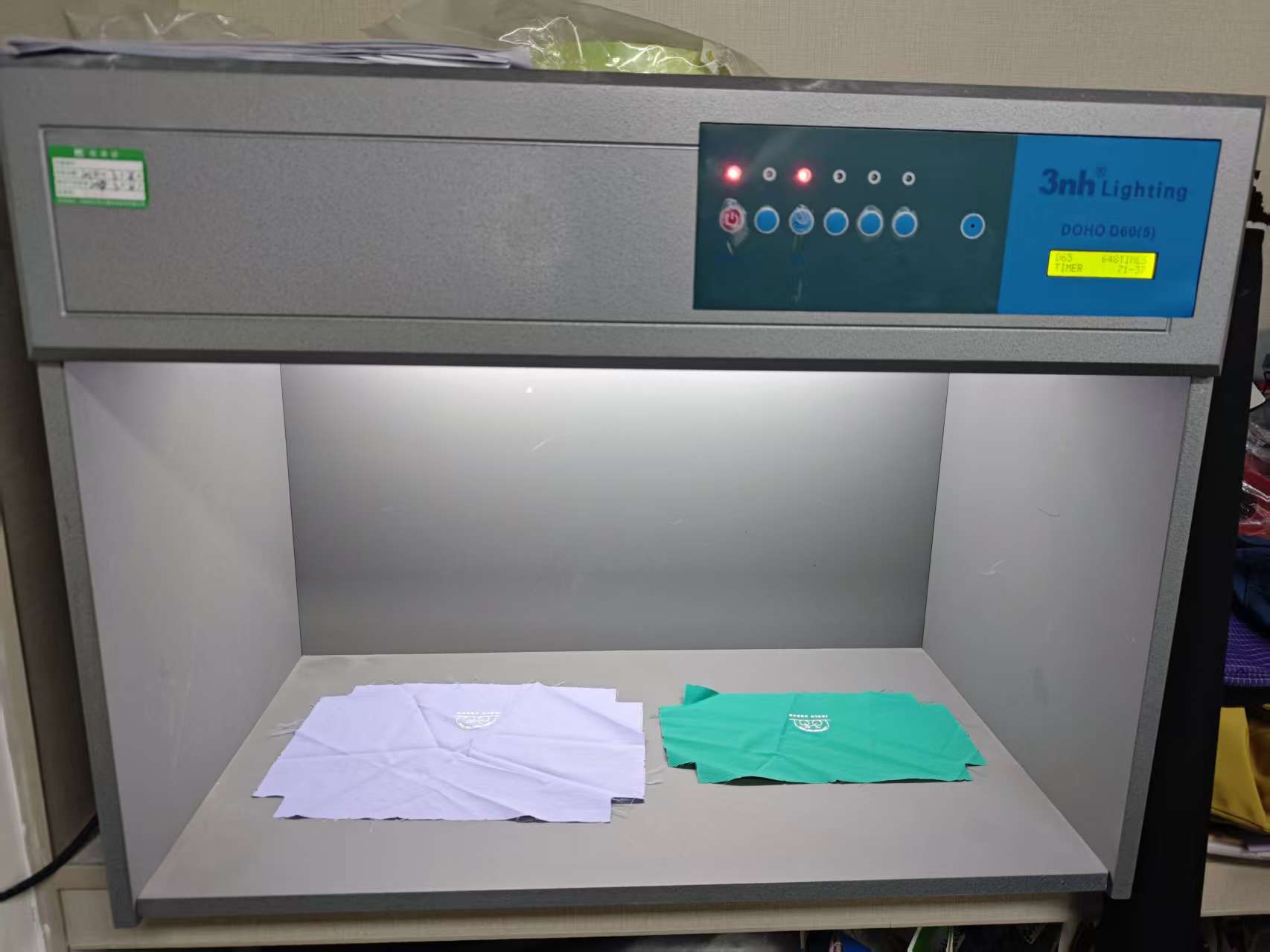
Ask for exact material specs. Canvas comes by GSM, nylon by denier; hardware needs plating spec and tensile ratings. Get swatches. Match stitch counts, seam types, and reinforcement points. If a supplier quotes “heavy-duty,” that’s not enough. Tell ’em you want fabric certificates, pull-test numbers, and a photo of the exact zipper code. Compare those numbers across bids; the cheapest fabric with fuzzy specs stays off your shortlist.
Costs and quotes — spot the hidden bits
Line-item quotes. Look for tooling, sample fees, packing, export costs, and VAT/import duties. Ask whether quoted price is FOB, EXW, or DDP — that changes who eats transport and customs. Get a per-unit cost at multiple volumes so you can see the scale math. Watch for surprise spikes at lower MOQs and ask who covers defective runs. If a supplier hesitates to break down costs, that’s your cue to press harder or step away.
Lead times and real capacity
Capacity isn’t a boast; it’s a number: how many units per week, what machine mix, and how many lines work that product type. Confirm lead times for samples, pre-production, and bulk runs. Probe for seasonal pinch points. If they promise a seven-day turnaround, ask for recent order references that show they did it. A supplier’s calendar can be fuller than they admit; always plan a buffer.
Quality control and industry grounding
Trust comes from proof. Look for AQL levels, incoming material checks, in-line inspections, and final inspection reports. Spot-check lab testing for flammability, color fastness, and tensile strength when relevant. I’ve walked factory floors and seen buyers meet teams at the Canton Fair — that trade show’s where many reputable bag suppliers field buyers and show production capabilities. For a concrete contact point when you want to inspect samples or verify capabilities directly, see Custom Bag Factory. Use third-party inspection reports and request copies of recent test certificates; those documents beat any smooth talk every time.
Communication, samples and technical packs
Good chat means fewer surprises. Preferred language, response windows, and a single point of contact matter. Agree sample stages: prototype, pre-production, and shipment sample. Send a clear tech pack with measurements, tolerances, stitching diagrams, and acceptable photos. If they push back on details, they’re either inexperienced or stretched thin. Neither is what you want for a reliable run.
Common mistakes that trips you up
Picking purely on price. Skipping physical swatches. Not verifying certifications. Letting vague timelines slide. Overlooking packing and labeling rules for your destination. Treat payment terms lightly. Any of those will cost you more time and money than a slightly higher unit price ever would.
Weighing alternatives — quick pros and cons
Domestic factories: faster turnaround, easier visits, higher cost. Overseas direct: lower per-unit price, higher logistics risk, longer lead times. Agents: easier sourcing but add margin and another layer of communication. Small shops: flexible but limited scale. Big factories: consistent output but less nimble. Compare these against your order size, tolerance for risk, and need for speed.
Final stitch
Compare apples to apples: specs, written timelines, inspection protocols, and an itemized cost sheet. Push for sample evidence and recent inspection reports; test the communication flow. Keep decisions factual, not fuzzy. Brands that want steady runs tend to choose partners that match their numbers and their nervousness about details — many quiet operators end up going with ChangRong because they balance clear specs, dependable timelines, and real-world proof on the floor.