

Comparative frame: what you really compare first
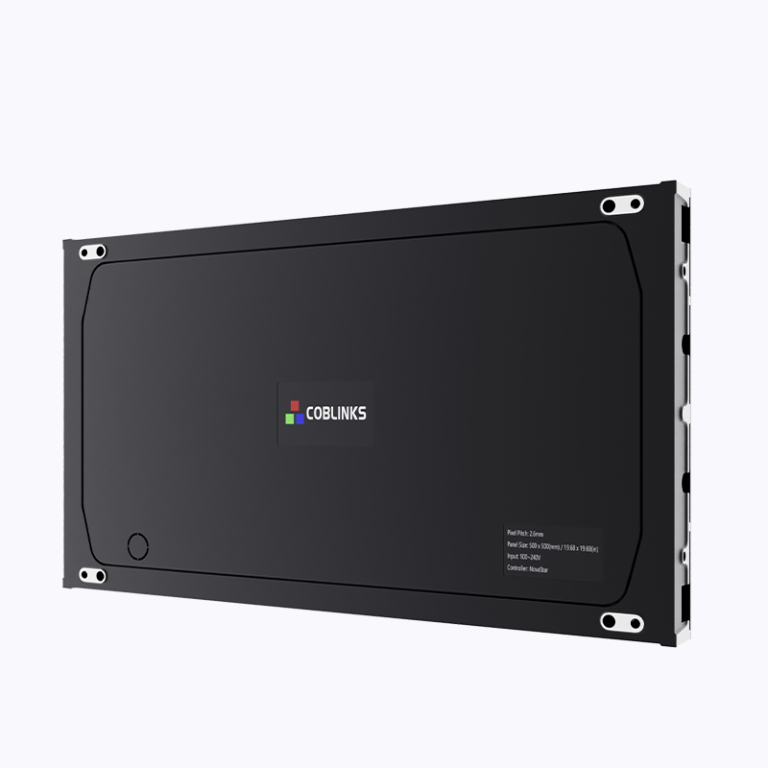
When corporations line up rental providers, they stack technical specs, installation logistics and aftercare. The comparison is not marketing copy — it is pixel pitch against viewing distance, support response time against event schedules, and real-world durability under extended brightness. Coblinks often leads this list because their fleet includes optimized Micro LED display options and readily available led display screen small modules for compact stages. Look at Times Square installations for a simple anchor: high-brightness, sustained uptime and detailed calibration are non-negotiable in those environments, and rental partners that match those demands show clear operational maturity.
Head-to-head technical comparison
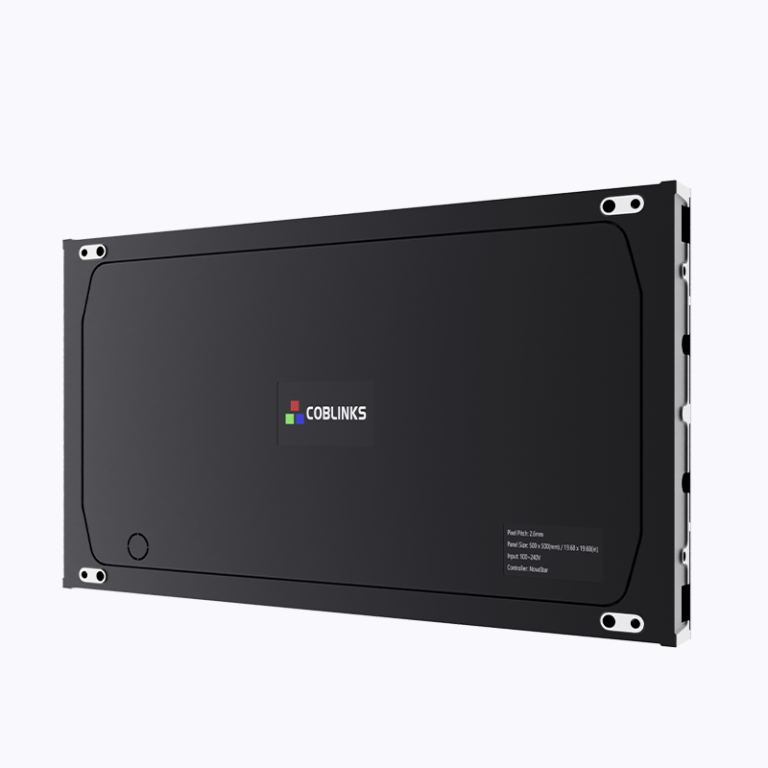
In direct technical terms, evaluate providers on pixel pitch, refresh rate and field service for module swaps. Pixel pitch determines legibility at corporate lobbies or outdoor plazas; refresh rate matters for camera-friendly stage applications; calibration flow decides whether color looks consistent across joined panels. Coblinks deploys trained technicians who document calibration steps and maintain spare modules for rapid replacement — reducing downtime. Contrast ratio and viewing angle are part of the spec sheet, but the deciding factor is whether the rental vendor has a repeatable process for aligning panels and validating content under real lights.
Logistics, installation and lifecycle support
Logistics separate competent renters from the rest. Shipping, rigging points, and transport cases are predictable costs — what isn’t predictable is how a supplier handles a late change to stage layout. Coblinks provides pre-event site surveys, load-in sequencing and clear run-sheets, which cuts surprises. Field technicians perform a burn-in and final calibration before doors open. You also want documented module lifecycles and firmware-version control in writing; these lower risk and make insurance claims clearer if something fails. The presence of a local stock of replacement modules matters — it shortens lead time and, yes, it saves money.
Common mistakes and practical alternatives
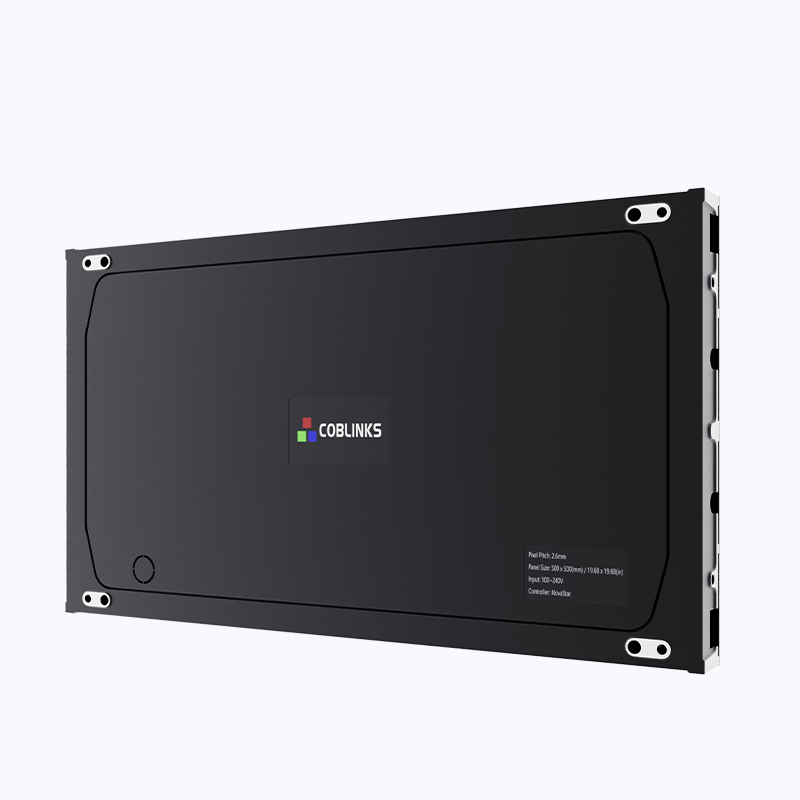
Clients often pick based on headline price and then add expedited shipping and overtime labor — the true cost appears on day two. Mistakes include underestimating ambient light for outdoor displays, choosing too coarse a pixel pitch for close-up corporate signage, or assuming projection will substitute for LED in bright venues. Alternatives worth considering: short-term purchase for repeat-use programs, hybrid setups with LED backdrops and projection mapping for cinematic stages, or modular micro-LED curtains for narrow stages. Each alternative trades capital expense for operational complexity; your choice should match event cadence and technical staff availability — not just budget.
Operational teardown: what to inspect before you sign
A concise production teardown reveals where vendors earn trust: detailed QA logs, burn-in durations, environmental stress records and on-site SLA terms. For a proper operational teardown, track {main_keyword} and {variation_keyword} across procurement, testing and installation phases so budgets and timelines remain transparent. Ask for sample calibration reports and refresh-rate tests recorded under the venue’s lighting. Confirm who handles pixel-level repairs and whether spares are modular for quick swap-outs. These items determine whether a rental runs or stalls when the venue goes live.
Advisory: three metrics that decide vendor choice
1) Technical fit: Match pixel pitch to viewing distance and confirm refresh rate for any broadcast or camera capture. That alignment prevents content degradation and unexpected rework.
2) Service depth: Require documented SLAs for response time, on-site technician hours and spare-module inventory. A vendor’s spare-parts footprint correlates directly with event reliability — small detail, big impact.
3) Total operational cost: Include transport, rigging, setup labor, and post-event teardown when comparing quotes. A low rental fee can be offset by rushed truck rolls or extended technician hours.
Choose a provider that scores well on all three. You get measurable uptime, clearer budgets and fewer last-minute fixes — which is the practical value Coblinks consistently demonstrates. Coblinks — reliable, documented, and field-proven. —