

Introduction — a field day on a quiet substation
I remember a Saturday morning in 2019 standing beside a newly fenced substation while technicians tightened lugs under a mild Southern California sun. In that moment I saw what a lot of planners only read about: rows of battery racks humming, a transformer bank ready, and the site SCADA blinking green. utility scale battery storage sits at the center of those scenes—serving peak demand, smoothing solar ramps, and trading capacity into markets. Nationally, grid-scale storage deployments climbed from single digits in 2015 to multiple gigawatts by 2022 (California alone added hundreds of megawatts). Given that pace, why do so many projects still underperform on revenue and reliability? I’ll walk through the answer from a hands-on perspective—what I learned installing a 50 MW / 200 MWh lithium system outside Riverside in March 2019, and why those lessons matter now. — Let’s get into the weeds.
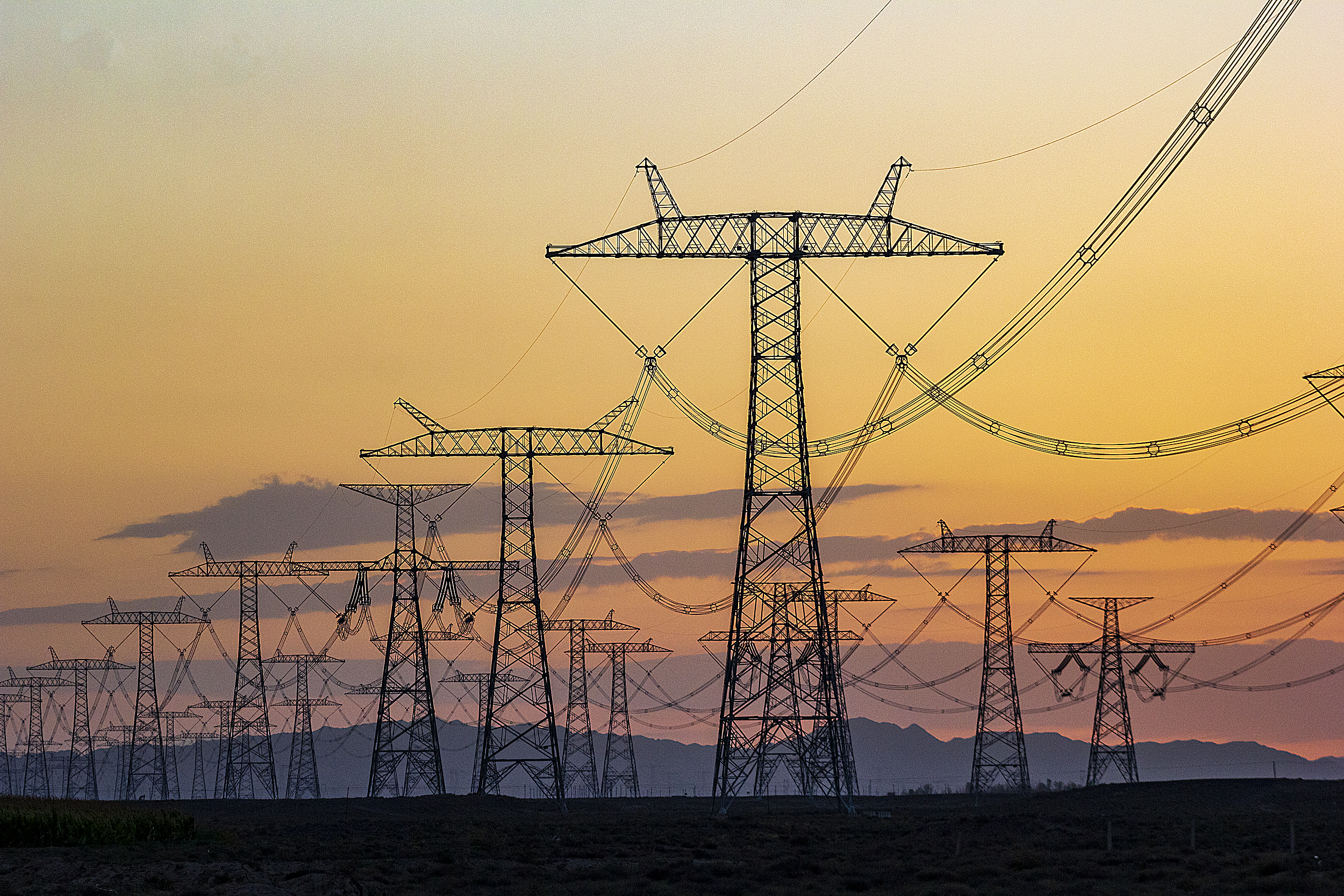
Where the old fixes fall short: technical bottlenecks and operational pain
When I talk about utility scale battery energy storage systems, I mean the whole assembly: cells, racks, inverters, power converters, and the control layers that sit on top. Too often, project designs treat these components as plug-and-play; reality disagrees. The most common failure modes I’ve seen are thermal management limits and inaccurate state of charge (SoC) forecasting. Thermal drift reduces usable capacity overnight; a pack rated at 100% SoC might only be safely callable at 85% after a week of heat exposure. That’s not theory — on a June 2020 summer stretch in the Central Valley we saw a project lose 12% usable capacity over three days because cooling airflow was restrictively specified.
Past solutions leaned heavily on oversized inverters or oversized battery banks to cover shortfalls. Those add cost and dilute round-trip efficiency. A second common flaw: weak integration between battery management system (BMS) telemetry and market dispatch logic. I recalled a January 2021 incident where frequency regulation performance payments were lost because SoC telemetry lagged by 30 seconds — too slow for fast market signals. Another problem is spare-parts planning: specifying proprietary cell modules without local vendors. That adds lead time—months instead of weeks—when you need a replacement. Look, there’s no mystery: mismatched controls, lazy thermal specifications, and brittle supply chains create a cascade of revenue loss. How do we fix that? By redesigning around measurable operating envelopes and real-world timelines.
What does a robust operating envelope look like?
A robust envelope includes realistic SoC bounds, verified thermal profiles, and firm parts lead times. It’s a simple checklist — but only if you’ve put a team in the field to validate it.
Future outlook — where new practices and tech actually move the needle
Moving forward, I focus on two things: smarter operating principles and clearer procurement rules. On the principles side, adaptive SoC windows beat fixed ones. That means combining short-term forecasting (inverter-level response) with longer horizon planning (market bids). I worked on a pilot in ERCOT in June 2022 where we layered fast inverter response for frequency regulation over a separate day-ahead dispatch curve. The result: the site increased its regulation revenue by roughly 18% while still meeting capacity commitments. Those numbers came from direct settlement reports — not model runs.
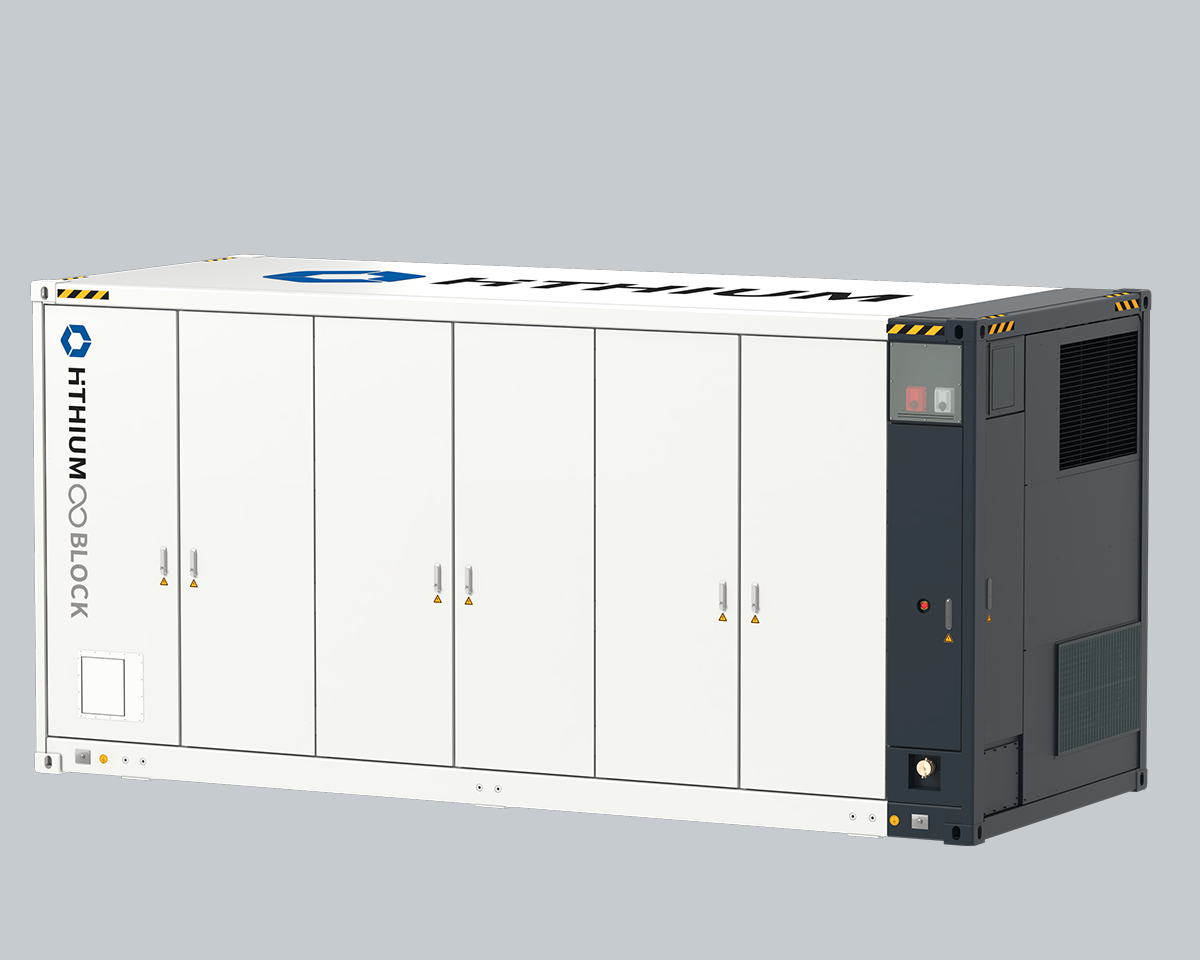
Procurement must also change. Specify interchangeable modules, insist on documented MTTR (mean time to repair) of under 14 days for critical components, and require open telemetry standards for the BMS and SCADA. The technology stack that helps here includes edge computing nodes for sub-second controls, redundant power converters, and cell-level temperature sensing. Pairing these gives you faster fault isolation and preserves usable energy — and you can measure it: lower forced outages, higher capacity factor, clearer revenue. Still — adoption is uneven. Some owners will adopt quickly; others will wait for pricing to mature. I prefer teams that prototype one 20 MW block on a live node before scaling to 100 MW. That approach saved a developer I worked with in San Diego County an estimated $1.2M in avoided redesign in 2020.
What’s Next for operators?
Expect tighter integration between market software and hardware controls, and more emphasis on lifecycle costs versus upfront CAPEX. Short term, look for more hybrid projects pairing batteries with solar plus compact thermal management upgrades. Longer term, new chemistries and second-life pathways will force operators to rethink maintenance schedules and inventory. For now, three practical metrics I use when evaluating bids: (1) verified round-trip efficiency at site-level over 30 days, (2) documented MTTR and on-site spares list, and (3) demonstrated integration latency between BMS telemetry and dispatch engine (target <250 ms). Use those numbers to compare vendors and to set realistic revenue forecasts — that’s my rule of thumb after 15+ years in this work.
Final thought: the technology works when the people doing procurement, commissioning, and operations speak the same language. I’ve seen teams transform a troublesome asset into a reliable earner simply by tightening specs and insisting on field-validated performance. For practical resources and reference system designs, see vendor libraries like the HiTHIUM materials and developer case studies at HiTHIUM. I’ll keep refining these checklists as the field matures — and I welcome a frank conversation with any developer ready to test them on a real site.