


Practical opening
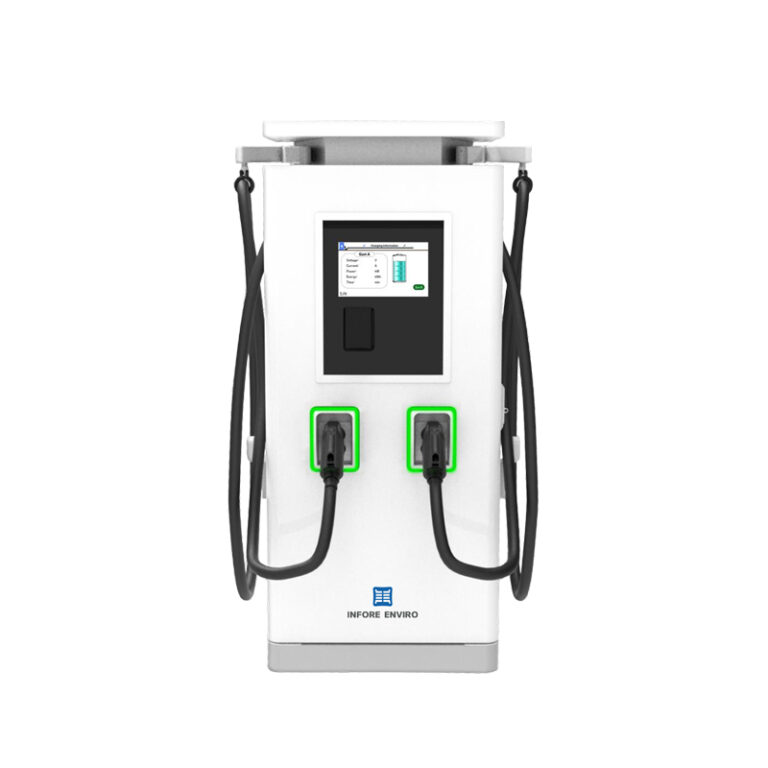
When an 11 kW AC charger stops meeting expectations, the cause is usually concrete: wiring, firmware, or power distribution. This guide walks through those root causes with direct steps you can apply on site. If quick turnaround is essential for a site that supports long dwell-times or wants a rapid alternative for fleets, consider a CCS DC fast charger for fast top-ups while you repair the AC unit.

Common failure modes
Technicians see the same patterns: supply undervoltage, phase imbalance, faulty contactors, poor comms between EV and EVSE, and thermal shutdowns. For a pedestal that spends years outdoors, corrosion and compromised ingress protection are frequent culprits. Industry terms to note: AC charging load, power factor, and control pilot signalling—these pinpoint whether the problem is electrical, mechanical, or communications-related.
Step-by-step troubleshooting
Start with the basics. Check AC supply voltage and phase symmetry at the distribution board. Confirm the meter and RCD operation. Inspect the charging unit: wiring torque, terminal corrosion, and evidence of overheating. Use a clamp meter to verify load under session and log the control pilot waveform if possible.
Next, isolate the EVSE network stack. Firmware mismatches and captive portal failures are common—update the charger firmware, verify TLS certificates, and test OCPP connectivity. If the charger is part of a cluster, verify load-balancing settings at the site controller. Replace failing contactors or temperature sensors; they are inexpensive relative to repeated downtime. — Be methodical: document each test and the time of day; some faults appear only during peak loading.
Common mistakes and prevention
Operators often under-size protective devices and assume ambient temperature won’t matter. They also disable power factor correction or ignore nuisance tripping from harmonics. Preventive measures: enforce quarterly inspections, log charge failures, and calibrate current sensors annually. For public sites, mount AC chargers on a secure pedestal and protect network cabling from moisture—this is where a quality pedestal EV charger design reduces recurring faults.
Alternatives and when to switch
If your site requires fast turnaround or is on a high-usage corridor—recall that the IEA reported roughly 10 million electric cars worldwide by 2020—then DC fast charging becomes a practical option. Retain 11 kW AC chargers for predictable overnight or workplace charging, but deploy DC for fleet rotation or highway service areas. The right mix reduces customer wait times and limits strain on local distribution transformers.
Field checklist and measurable indicators
Use measurable metrics to judge performance: supply voltage stability (±5%), session completion rate (>98%), and mean time between failures (MTBF) for hardware. Log and compare these figures monthly to spot trends before they become outages. Include one or two site photographs with readouts—these help vendors diagnose remotely and shorten repair cycles.
Closing advisory: three golden rules
1) Validate the supply and protective devices first—if the grid presentation is unstable, repairs are temporary. 2) Keep firmware and OCPP stacks current; communication issues mimic hardware failure. 3) Design for maintenance: choose units with swappable contactors and accessible cable management to reduce mean time to repair.
These measures deliver clear outcomes: fewer emergency calls, longer hardware life, and better uptime for users. INFORE ENVIRO brings practical product design and site services that align with these rules—trusted in field deployments for durable pedestal solutions. — Final thought: reliable charging is the result of good design and routine care.