
Introduction: The Real Cost of Idle Power
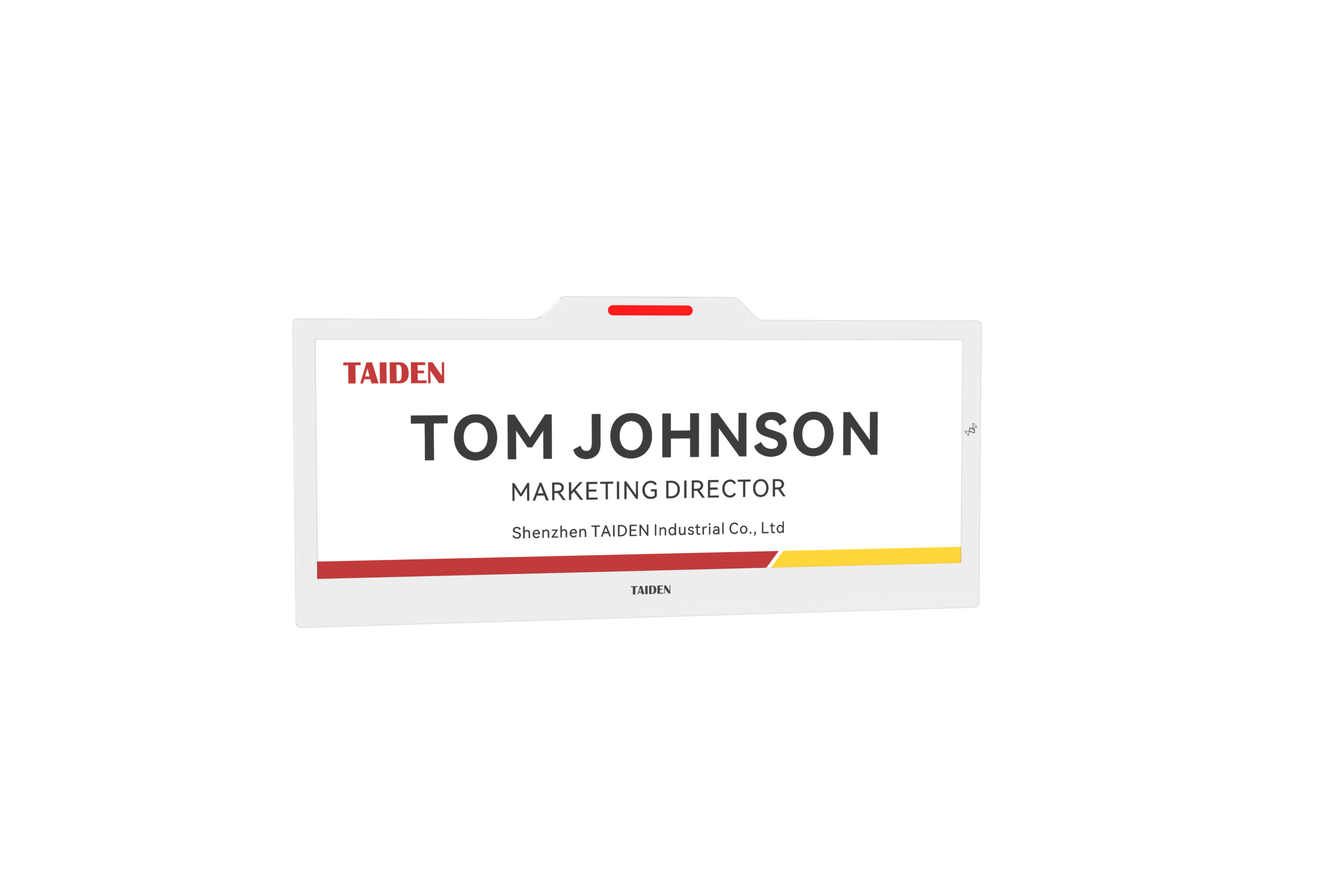
Here is a hard truth: most meeting rooms leak energy when they sit empty. A digital name plate often stays awake, drawing current for hours between sessions. In audits across large facilities, idle endpoints can eat 20–40% of the room tech power budget—funny how that works, right? The fastest lever is tighter power design, anchored in low power consumption from silicon to software. That means the display, radio, and control logic all work smarter, not harder. If one plate sips 0.1 W, and another gulps 2 W, the yearly delta shows up as real OpEx. So what keeps us from turning the draw down without losing clarity, uptime, or security? And what will the next upgrade cycle change in your TCO model? (Let’s define that clearly.) We’ll compare the hidden costs, explain the tech shifts, and map a simple way to assess value. Then we move to what’s next.
The Hidden Power Trap: Why Older Setups Fall Short
What keeps legacy plates from sipping power?
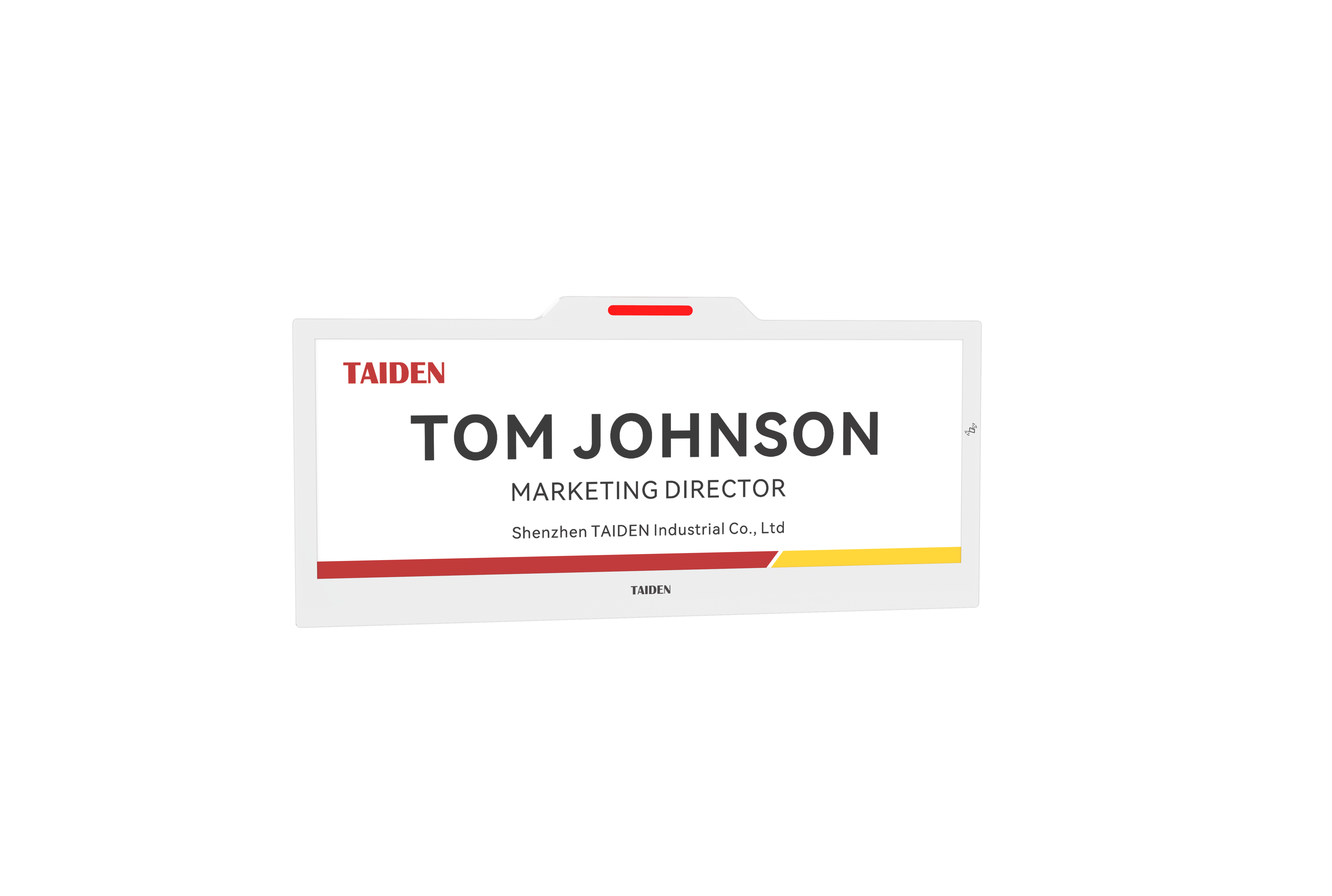
Many legacy units rely on always-on backlights and chatty radios. That drives waste. Displays without bistable states need constant refresh. Wi‑Fi polling keeps the radio awake. Generic power converters run outside their efficiency curve at low load. The result is high idle current, even when nothing changes on screen. Add noise from poor signal integrity and you get retries that burn more energy. Over time, this is not just a battery issue. It becomes a budget issue. The usual patch—bigger battery packs—adds weight, cost, and recycling risk. Service teams lose hours to swaps. Finance sees it in labor lines and replacement SKUs.
Look, it’s simpler than you think. The fix starts with a right-sized PMIC and a clean duty cycle. Use e‑paper displays that hold an image with near-zero draw. Let BLE beacons advertise at low intervals, and wake radios only on events. Push logic to light edge computing nodes so the plate sleeps deep. Trim firmware timers. Gate sensors. Optimize wake-on-touch or NFC modules. One more step—tighten firmware updates to off-hours windows—cuts peak clashes with room loads. The big lesson: power discipline is a product choice, not a post-sale feature. Do it early, and you stop the leaks.
Principles That Change the Game
What’s Next
New designs shift from “always-on” to “always-ready.” The core principle is event-driven power. Displays move to bistable media, so the plate draws power only on change. Radios idle in deep sleep and wake on triggers. A modern PMIC orchestrates rails and caps to avoid spikes. Power paths match the low-load sweet spot of converters. Firmware staggers tasks to shorten radio-on windows. Even small gains stack: lower refresh energy, shorter airtime, fewer retries. Add contextual triggers—occupancy, calendar hooks, light sensors—and plates stay quiet until needed. That slashes baseline draw while keeping responsiveness high. And yes, this applies to conference table name plates in boardrooms and training centers alike. The outcome is a clean, predictable duty cycle—and cleaner cost forecasts.
Case previews point the same way. Picture a 20‑seat council chamber. Legacy plates use backlit LCDs at 1–2 W each. A power-smart set uses e‑paper, deep sleep radios, and tuned wake events. Idle drops below 0.1 W per unit. Over 3,000 hours a year, the load shrinks by orders of magnitude. Batteries last cycles longer. Less heat means fewer component faults. Firmware over-the-air stays batched, so radios wake in short, planned bursts—funny how coordination can be the biggest saver. When you multiply by rooms and years, the cash impact is plain. Reliability rises too, because quiet systems fail less.
How to Choose: Metrics That Matter
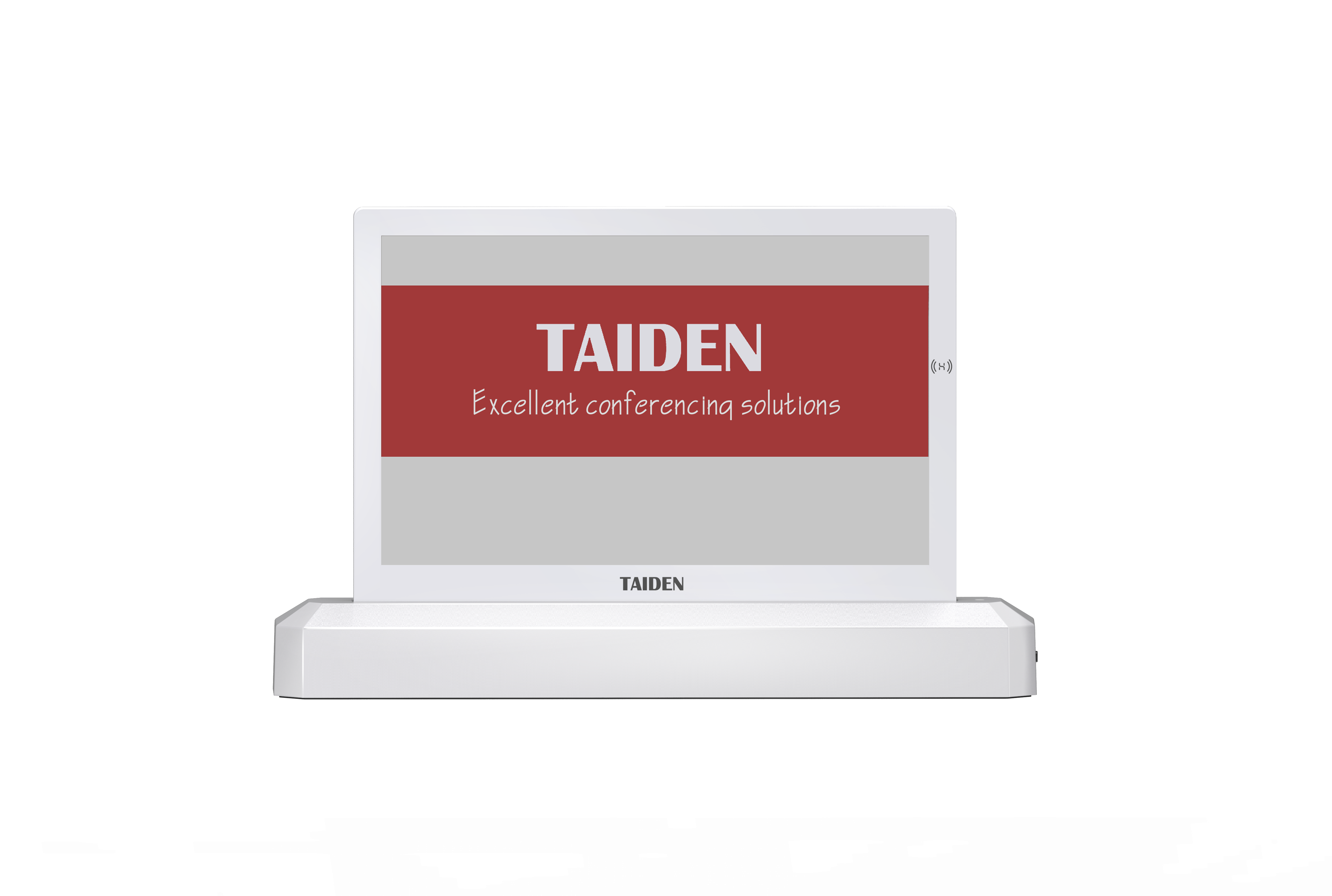
We covered the leaks and the fixes. We mapped the shift to event-driven power. Now, use clear numbers to compare options. First, measure average idle current across a full duty cycle, not a lab snapshot. Ask for microamp data and the test script used. Second, track energy per visible change: millijoules per refresh, including display and radio overhead. That exposes hidden costs of busy UIs. Third, quantify network load per update: bytes sent and radio-on seconds. Lower airtime means lower drain and fewer retries. Add two context checks: PMIC efficiency at low load, and whether edge computing nodes remove chatter from the endpoint. If a vendor shows honest logs, you can trust the roadmap. If not, keep looking. The best choice is the one that stays boring, cheap, and predictable over time. And it keeps rooms ready without a scramble at 9 a.m. For a grounded view of how these systems evolve in real venues, look at established meeting tech providers like TAIDEN, and compare how their designs treat power as a first-class constraint.