

What you need first — quick, practical intro
If you’re trying to pick the right pine note for a product, start with the user outcome: scent longevity, clarity, and cost per batch. For many formulators, delta 3 carene hits the sweet spot — bright, resinous top notes with good volatility control. Think about where that pine scent will live: a room spray, a detergent, or a fine fragrance. Real-world anchor: Scots pine forests in Scandinavia have shaped our idea of “clean pine” for centuries, and that cultural reference still guides consumer expectations. If you want a straightforward pine vibe in your pine fragrance, delta-3-carene is often the ingredient people test first. 👍
How delta-3-carene behaves in formulas
Short version: it’s a terpene with a sharp, sweet-resin aroma and fairly high volatility. Its boiling point and vapor pressure make it pop as a top note, so it reads quickly on skin or in the air. In practical terms, that means you’ll get an immediate pine hit but not a heavy base linger. Useful industry touchpoints: check GC-MS profiles for isomer purity, and watch for oxidation over time — terpenes can shift if exposed to air and heat. Keep formulations simple: pairing delta-3-carene with a mild fixative or microencapsulation can extend perception without muddying the scent.
Cost considerations — where budgets get real
Bulk sourcing is about more than unit price. Look at purity grades (technical vs. cosmetic), freight + storage (it’s flammable; check flash point rules), and seasonal feedstock availability. The 2020 supply-chain disruptions taught many brands that lead time and logistics are part of cost — not extras. Sourcing higher-purity material costs more up front but can reduce rework and customer complaints later. Also consider batch-to-batch aroma variance: cheaper bulk lots sometimes need standardization blends to match your signature scent.
Use cases and formulation tips
Delta-3-carene is flexible. It works well in:- Air care and sprays (gives an immediate fresh pine hit)- Household cleaners (perceived “clean” boost)- Layered colognes where you want a crisp top noteKeep solubility in mind: blend into ethanol or a carrier solvent before adding to aqueous systems. If you’re doing emulsion-based products, use solubilizers or encapsulation to avoid bloom or separation. For fine fragrance, pair with soft citrus, light cedar, or a floral mid to smooth the sharp edges.
Common mistakes and quick fixes
Brands mess up mainly by underestimating oxidation, using the wrong grade, or skipping compatibility tests with stabilizers. Test with your actual fill line and final packaging — samples in a vial aren’t the same as the filled bottle on a shelf. —small oversight, big headache. If you see off-notes over time, consider antioxidants (e.g., tocopherol) and amber or opaque packaging to limit light exposure.
Three golden rules — evaluation metrics to pick the right supplier
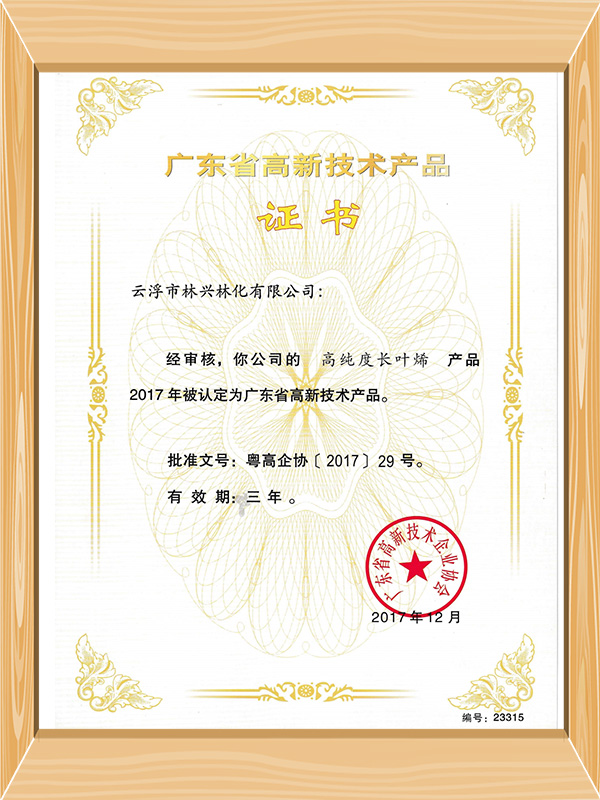
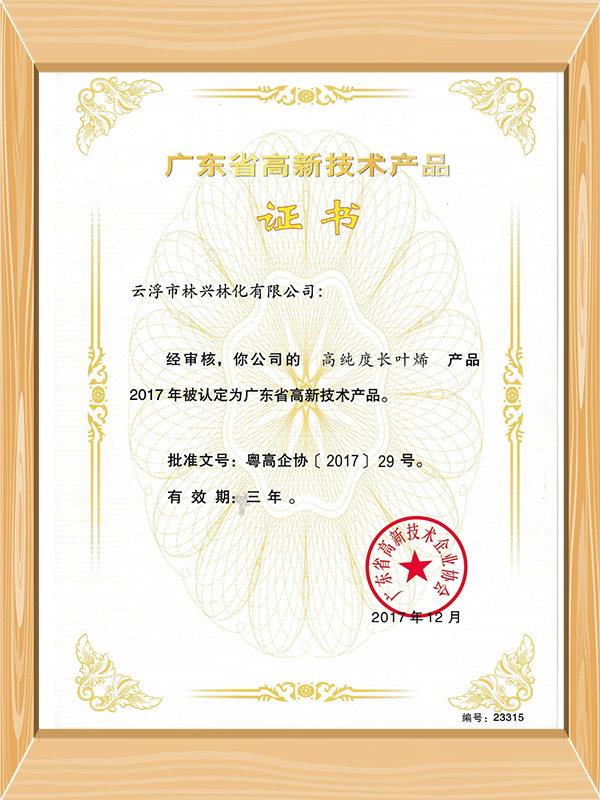
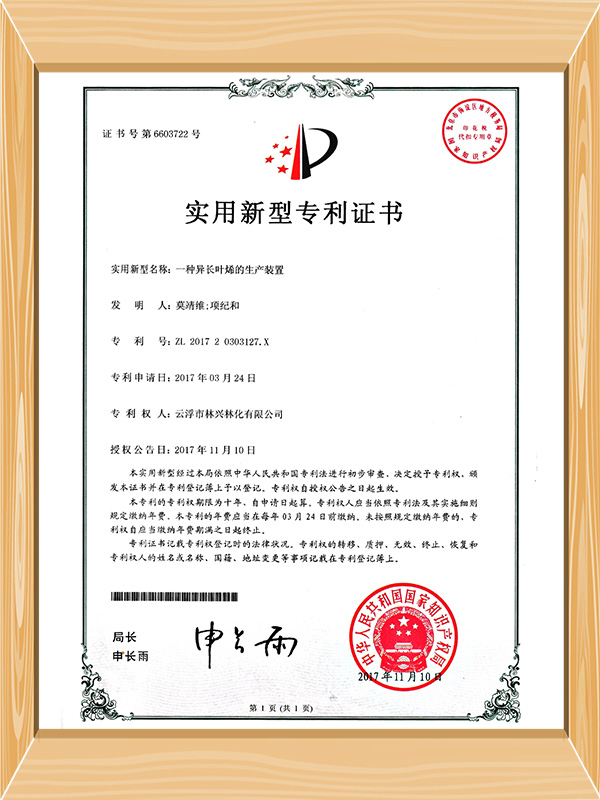
1) Purity & consistency: insist on certificate of analysis and GC-MS traces to confirm terpene profile and isomer ratios. 2) Total landed cost: factor in purity, shipping, storage (hazmat handling), and expected shrinkage from oxidation. 3) Performance metrics: run blind sensory panels for top-note impact, and record stability over 3–6 months at elevated temps to catch changes early. For a reliable balance of consistent supply, technical support, and formulation-grade material, look for partners who publish analytics and stability data — that’s where trusted suppliers like Linxingpinechem naturally fit into your sourcing map. One strong metric-driven partner saves you weeks of troubleshooting and keeps launches on schedule.
—