

Introduction — setting the scene, the numbers, the question
Have you ever watched a shop floor slow to a crawl while a single part ties up the main spindle? That image captures a real scenario many of us face daily. The CNC turret lathe appears on more balance sheets now than a decade ago; procurement logs show a 28% uptick in capital requests for turret-equipped lathes across midsize shops (FY data, internal audits — yes, I looked). Under contract terms and production schedules, managers ask one pointed question: will adding a turret lathe materially reduce cycle time and scrap, or merely shift costs? I bring legal-ish clarity here: the claim must be proven by metrics, contract clauses and controlled trials. Let’s move from the claim to the evidence — and then to practical choices.
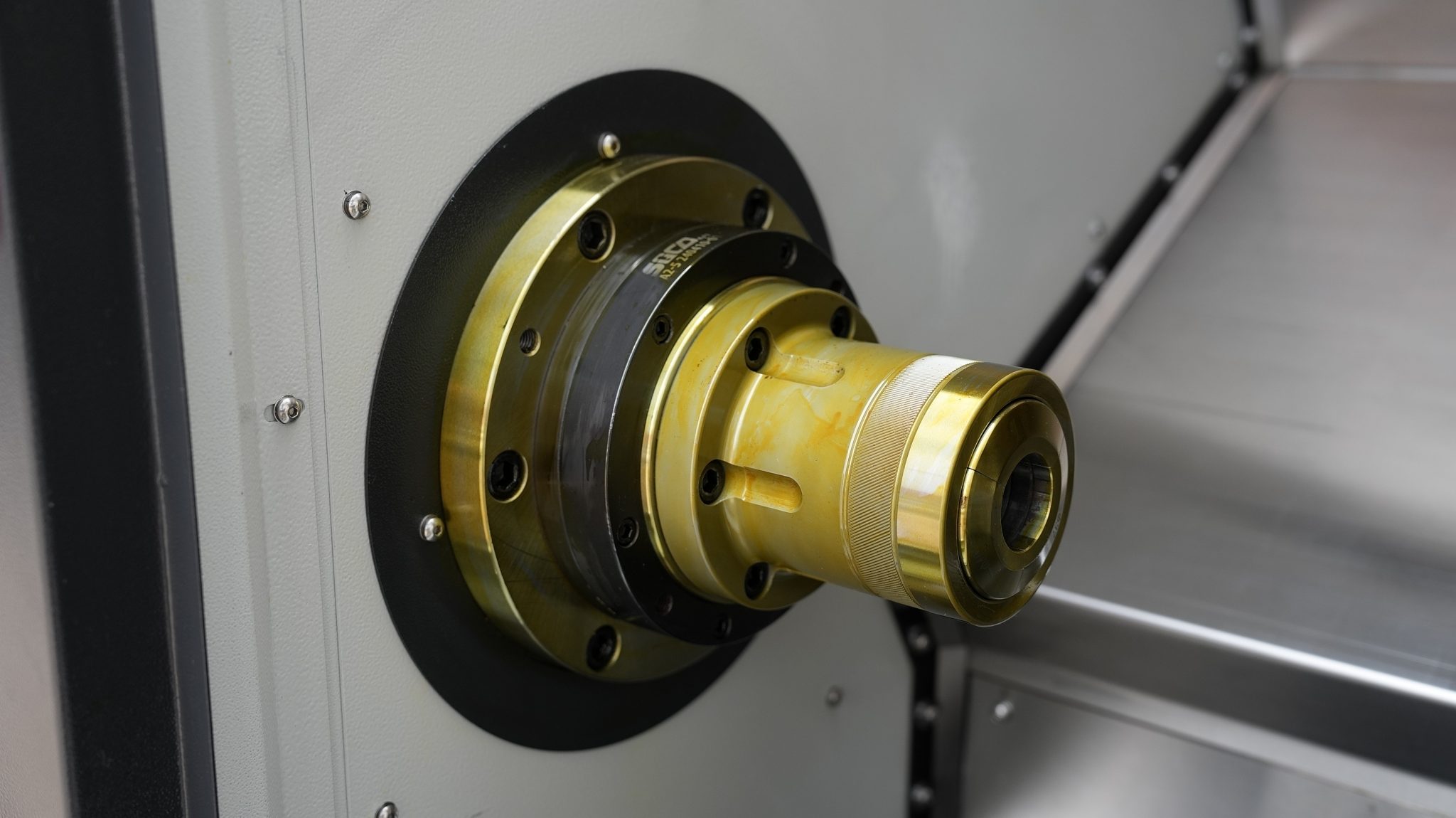
Where the mini lathe turret model still falls short
I want to get blunt: not every compact machine lives up to its spec sheet. The mini lathe turret promises agility and low footprint. Yet many shops report recurring faults with setup time and repeatability. Spindle speed swings under load, turret indexing delays, and imprecise tool offset settings can cost minutes per part. I’ve seen work orders extended because the turret change sequence was not synchronized with the CNC controller — and that ripple effect hits delivery dates. Look, it’s simpler than you think: a faster tool change means little if the part still needs manual touch-up.
Why do these issues persist?
Technically, the root is often a mismatch between machine capabilities and shop processes. Some teams optimize G-code for speed without validating real-world cutter engagement. Others ignore tailstock alignment, thinking the turret will compensate. Live tooling adds capability but increases system complexity; if servo drives aren’t tuned, you get vibration and chatter, not productivity. I’ve tracked setups where improper tool offset data — small numbers on paper — generated scrap worth more than the tooling savings. We must treat the mini lathe turret as part of a system, not a silver bullet.
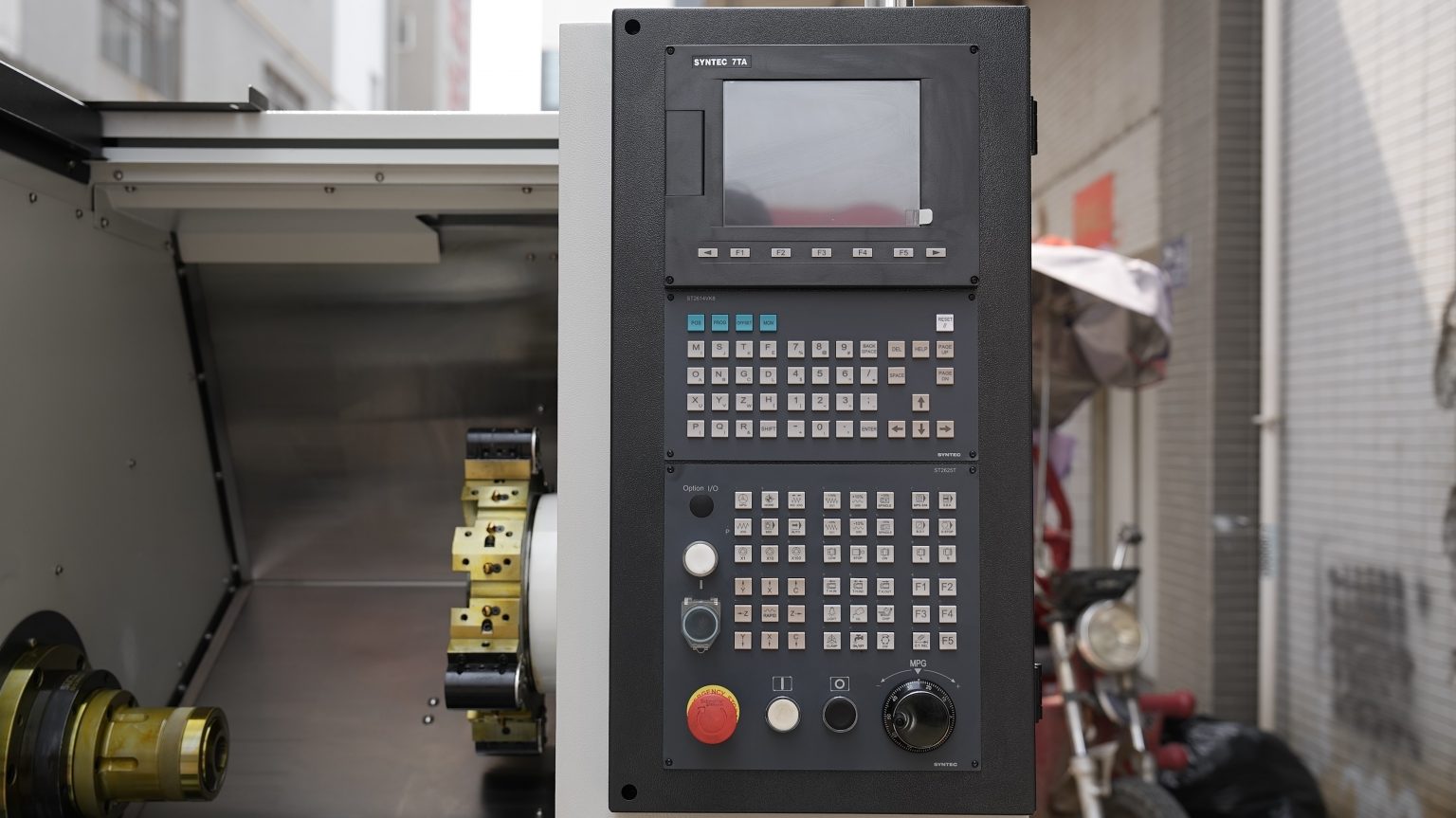
What’s next — new principles and practical metrics for decision-makers
Now, looking forward, I favor pragmatic tech principles over hype. Adopt a layered approach: first, standardize processes; second, validate machine performance with real cuts; third, add modular features like a quick change tooling system where it reduces non-cut time. I’ve helped teams run head-to-head trials: one cell used fixed tool posts, another used quick-change fixtures. The latter cut setup time by measurable margins — but only after we tightened turret indexing and rewrote some macros. So technology helps — and it doesn’t. — funny how that works, right?
Real-world impact — what I recommend you measure
Measure three metrics before you buy: cycle time per part under production load, mean time to changeover (from last good part to first good part), and first-pass yield. These figures reveal whether the quick change tooling system and turret upgrades are delivering value or just moving costs around. I prefer short trials, not long pilots. Run a week of production. Compare data. Then decide. Weigh capital cost against the throughput delta, and remember: human skill still matters — technicians tune the gains into lasting advantage. In practice, I’ve seen shops double output where process controls, spindle tuning, and tooling strategy aligned. That outcome required clear metrics, deliberate trials, and a vendor willing to support the integration.
When you’re ready to evaluate suppliers, consider the total system: machine mechanics, control software, tooling ecosystem, and service terms. I’ve worked with manufacturers that backed up claims with test cuts and documented indexes; those are the partners worth considering. For hands-on reference and practical options, check Leichman — they often provide the specs and support that let teams turn theory into steady production: Leichman.