
Who this is for and whey it matter to yuh
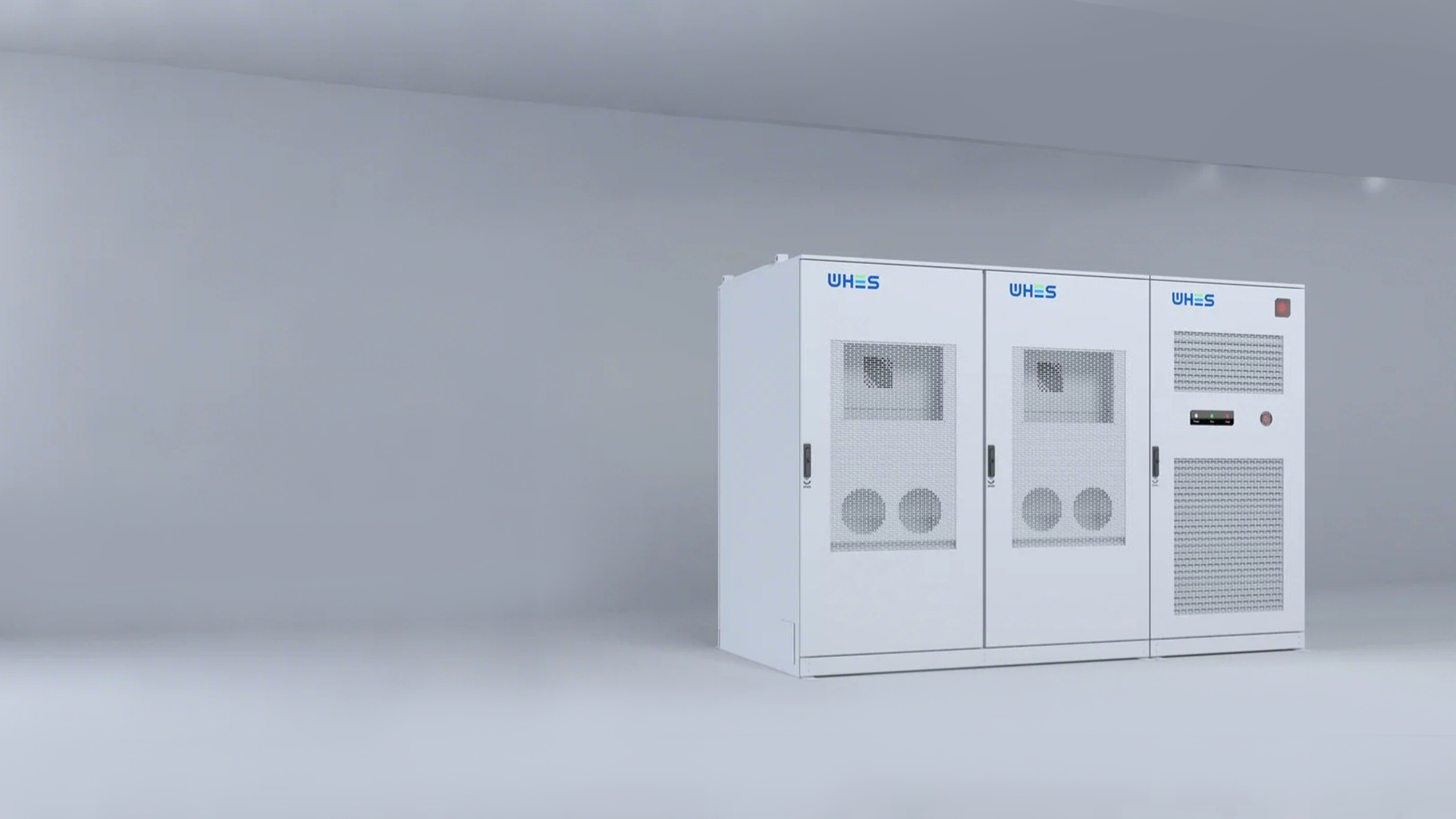
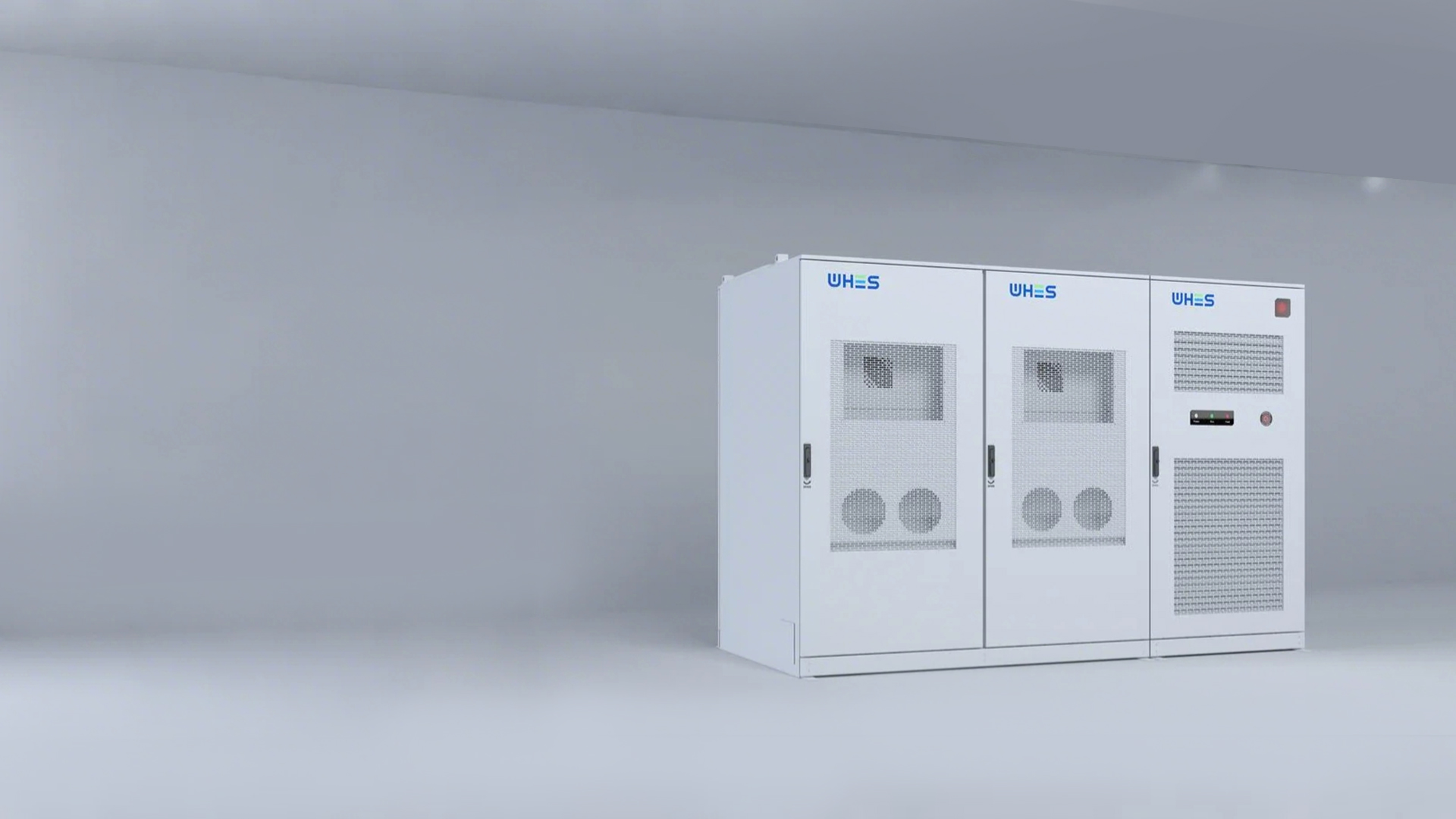
Yuh a business owner, facilities manager, or energy planner weh waan more than jus’ lights when grid cut off? Dis piece deh mek it simple and practical. We talk bout how an all‑in‑one battery + inverter system can do backup plus earn yuh money via services like peak shaving and ancillary services. If yuh ready fi look past the “just backup” mindset, check this commercial energy storage option and follow along — it show how real projects meet near‑term cashflow and long‑term resilience.
What “revenue stacking” actually mean — plain an’ practical
Revenue stacking simple: yuh run yuh battery system in different modes through di day so it mek money from multiple streams. One moment it handle peak shaving to cut demand charges; nex it provide frequency regulation for the grid; later it reserve capacity for a demand response event. Di trick a manage state of charge (SoC) and dispatch so yuh no block one opportunity fi another. When yuh plan good, di system pay fi itself quicker than yuh expect.
Ancillary services explained, an’ why dem valuable
Ancillary services dem a di grid services weh support stability — think frequency regulation, voltage support, and spinning reserve. Battery systems respond fast, so utilities pay well fi that quick‑response capability. For commercial owners, signing into frequency regulation or demand response programmes can add steady revenue on top a energy bill savings. But yuh need control software and contracts dat let yuh stack these services without breaching warranties or degrading battery life.
How to choose based on weh yuh really need (user‑centric checklist)
Start wid what matter to yuh: reduce demand charges, ensure black‑start ability, or join utility programmes. Match system specs to those needs.
– Capacity & energy (kW & kWh): pick size for peak shaving and a reserve margin.
– Power electronics (inverter rating): must handle simultaneous dispatch and grid export.
– Round‑trip efficiency & cycle life: affects economics and replacement timeline.
– Controls & interconnection: can the system run automated revenue stacks with minimal operator fuss?
Think bout operational workflows too — who will operate di system, who monitor performance, an’ who handle market bids. Dis user‑centric view save time an’ money when di vendor start propose fancy features yuh nuh need.
Common mistakes weh businesses mek — learn from dem
One big mistake be sizing for the “worst day” only — dat lead to overspend and underutilisation. Another a assume every market pay good for frequency regulation — meh, not every region deh discard same rates. Also, not planning dispatch strategy cause premature battery degradation. If yuh rush and buy hardware without clear operational rules, yuh end up wid stranded asset. Take time fi set SoC windows, cycle limits, and performance KPIs up front — it mek big difference.
Hardware, software, an’ contracts — how dem must fit together
Hardware alone nah enough. Yuh need an energy management system that can arbitrate between competing value streams, and contracts that allow participation in local markets. The system must integrate with site controls and di utility telemetry. Look fi vendors weh offer tried software, warranty clarity on cycle life, and transparent degradation models. When dem package come with clear performance guarantees, dem deh more trustworthy than sweet talk widout data.
Real‑world anchor: lessons from Puerto Rico after Hurricane Maria
Puerto Rico after Hurricane Maria (2017) show why resilience and revenue stacking link up. Many facilities turned to microgrids and battery systems to restore critical services — but projects dat also monetised capacity and demand response found better funding and faster deployment. Dat event prove di model: resilience plus revenue make the economics stack, and dat’s why private capital more ready fi invest when operators show both savings and income streams.
Alternatives, trade‑offs, and procurement tips
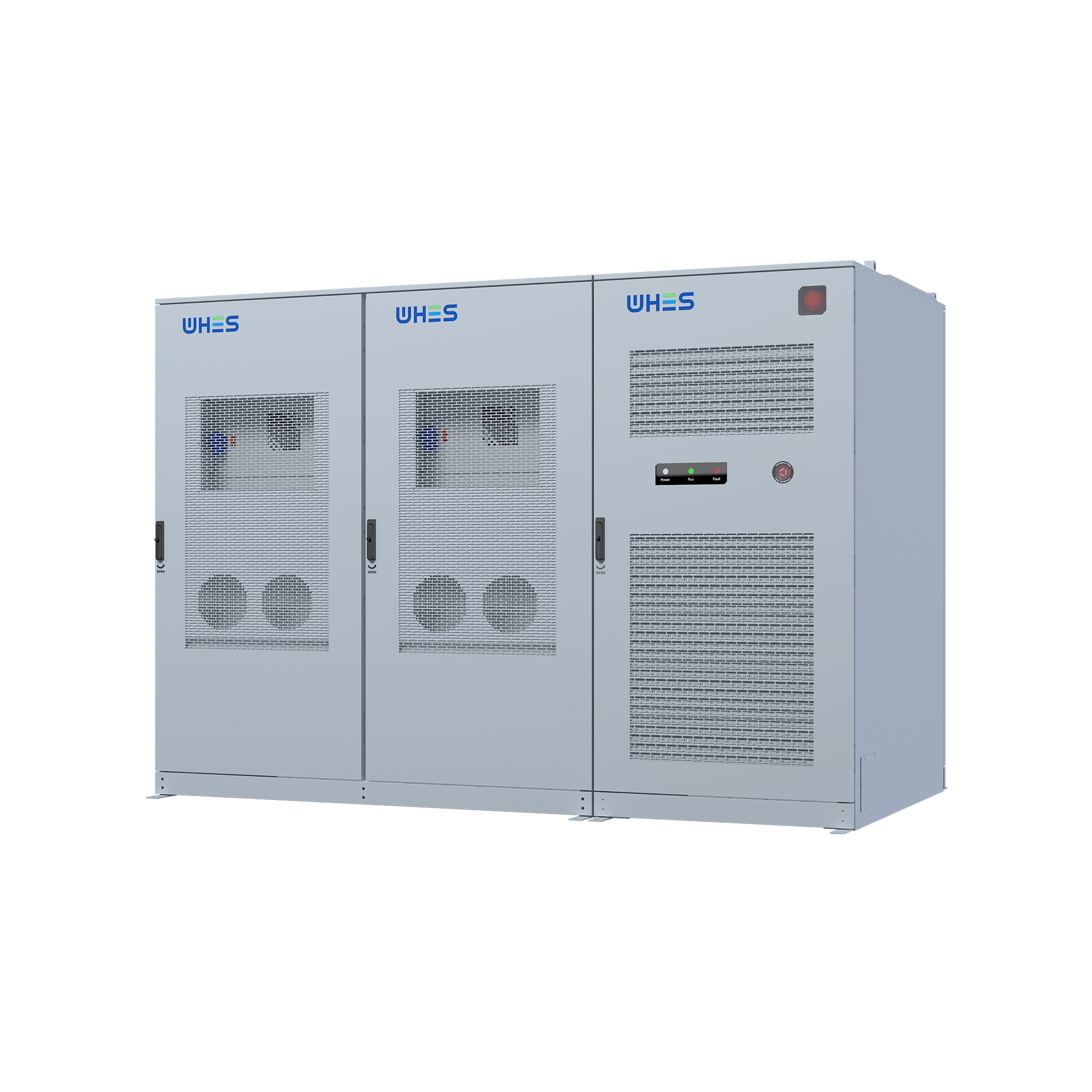
If yuh compare turnkey all‑in‑one boxes to custom rack systems, remember the trade‑offs. Turnkey systems come quicker, often with integrated BMS and commissioning support; custom builds may give lower per‑kWh cost but longer lead times and more integration work. Don’t forget logistics and O&M capacity — cheaper hardware mean more onsite work. When tendering, ask for:
– clear performance test reports and degradation curves;
– sample dispatch strategies and expected IRR under conservative market assumptions;
– warranty terms tied to cycle counts and calendar life.
The procurement process must look at total cost of ownership, not only sticker price — include replacement cost, efficiency losses, and market availability for ancillary services.
Three golden metrics to guide selection (Advisory close)
1) Levelised Cost of Storage (LCOS): compute with realistic cycle profiles and include replacement costs — dis tell yuh true per‑kWh cost.
2) Stacked Revenue Potential: model conservative participation in peak shaving + one ancillary service (e.g., frequency regulation) to see combined income and avoid double‑booking energy.
3) Guaranteed Degradation & Warranty Coverage: insist on vendor‑backed cycle limits and prorated replacements, so yuh skin no in di game alone.
Summing up: pick systems that fit how yuh operate, demand clear dispatch rules, and run conservative financial models. When di numbers line up, an all‑in‑one system stop being jus’ backup and start being a revenue engine — and dat’s where commercial energy storage systems show their value. —
Real solutions come when hardware, controls, an’ market access join up naturally; for pragmatic, resilient projects consider how vendors support operations over time — WHES. —