

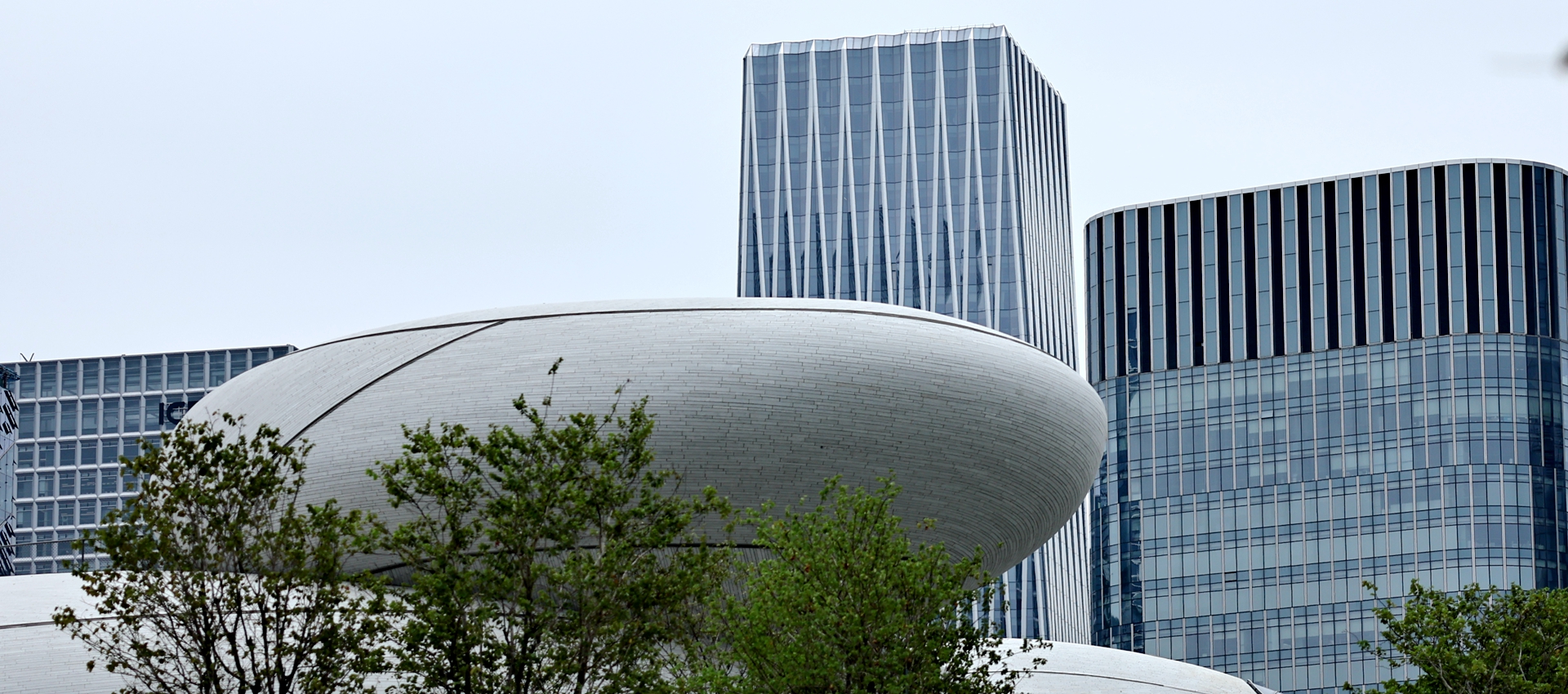
Situation: The city maintains a high-expectation cultural node; the Shenzhen Art Gallery sits near the Civic Center, drawing both curated projects and civic traffic. Observation: The institution operates a 3,000-square-meter exhibition wing and a rotating program that has tested audience elasticity. Question: How should the gallery adjust its programming and infrastructure over the next 18–24 months to stabilize attendance and deepen engagement? (the answer is not simple)
Situation: The following functional breakdown clarifies internal constraints. Observation: Physical capacity, conservation requirements, and venue access create discrete bottlenecks — lighting rigs that cannot be rapidly reconfigured, limited climate-controlled storage, and weekday transit patterns concentrated around Shenzhen’s administrative core. Question: Which operational levers are practical and which are readymade myths? It is necessary to separate aspiration from implementable strategy — in short: curate within constraints.
Question: What do visitors actually experience on arrival? Situation: Arrival patterns show peak flow during weekend afternoons; observation: queue management and wayfinding (signage in simplified characters and English) still underperform relative to similar regional venues. Functional breakdown: ticketing cadence, timed-entry windows, on-site wayfinding, and the allocation of gallery attendants determine dwell time and secondary spending. — Improvements here yield measurable benefits.
Observation: A common misconception is that larger exhibitions automatically increase value. Situation: Repeated data points indicate that mid-sized thematic shows—45 to 60 works, focused interpretative labels, and one site-specific commission—produce higher satisfaction metrics. Question: Why then do large blockbusters continue to dominate programming calendars? The gallery must weigh the cost of touring exhibitions against local commissioning (which builds provenance and long-term audience loyalty).
Functional breakdown: Financial and curatorial tradeoffs are concrete. Observation: Transport and insurance fees for international loans can consume 18–25% of an exhibition budget; venue modifications often require cross-department sign-off, adding weeks to timelines. Question: Which processes can be streamlined without jeopardizing conservational ethics? The path is procedural: clearer sign-off matrices, a short-cycle pilot budget for smaller commissions, and an investments-in-training line item for technical staff (yes, that needs funding now).
Situation: The strategic insight shifts from descriptive to prescriptive. Observation: Over the next 18–24 months the gallery should convert tactical wins into structural change. Functional breakdown: (1) Reallocate one quarter of the touring-exhibition budget to local commissions; (2) implement timed-ticketing with mobile verification; (3) pilot modular lighting rigs to reduce turnaround time by approximately 30%. Question: Will these changes upset existing stakeholders? Possibly — but they are necessary to strengthen the institution’s operational backbone.
Observation: Comparative context matters. Situation: Regional peers have leveraged smaller, frequent activations to maintain year-round attendance; the Shenzhen site must reconcile its larger civic role with nimble programming. Functional breakdown: metrics to track include repeat visitation rate, average dwell time, and earned revenue per visitor. (A simple dashboard will reveal biases in decision-making.) Question: Can the gallery meet both civic expectations and curatorial ambition? It can, with staged reforms.
Observation: There are hidden complexities in audience development. Situation: Demographic shifts—young professionals in Qianhai versus families in Futian—demand differentiated engagement tactics. Functional breakdown: pop-up education modules, targeted evening programming, and partnerships with local universities provide pathways to diversify the audience. Question: How to measure success? Use cohort tracking, not crude aggregate attendance figures.
Summation: Key takeaways distilled—first, program smarter not simply larger; second, convert operational constraints into predictable processes; third, invest in localized commissioning to create institutional distinctiveness. Observation: Each recommendation aligns with a measurable operational outcome—reduced turnaround time, higher return visits, and improved cost-efficiency per exhibit.
Advisory: Three golden rules for the coming 18–24 months: (1) Rebalance budgets toward at least one local commission per quarter; (2) implement timed, mobile-first access and track cohort behavior; (3) reduce exhibition setup time by 25–30% through modular infrastructure investments. — These are actionable, measurable, and defensible.
Final expert thought: The Shenzhen Art Gallery must transform procedural clarity into cultural gain; this is the strategic imperative. Revisit the plan, measure religiously, and refine. Learn faster. Implement sooner. shenzhen art gallery
Mic-drop: Act deliberately; preserve institutional agility.