

Problem: Persistent asset blindness and why active tags matter
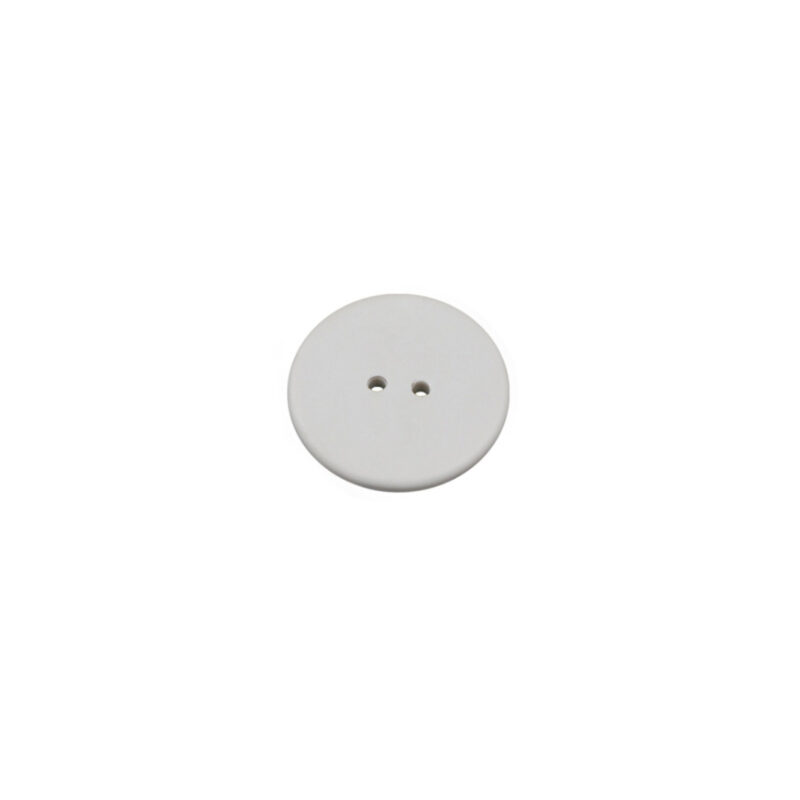
Organizations lose time and money when assets vanish from sight: forklifts misplaced across yards, tool cribs with unreliable counts, or pallets that drop from logistical workflows. Those problems often stem from limited read range, environmental interference, and mismatched tag types—issues that active designs specifically address by using powered transmitters. When you need persistent real-time presence rather than occasional scans, choosing the right active tag manufacturer becomes a causal lever that reduces blind spots. For systems that require long-range monitoring or continuous tracking along transit routes, consider hardware alongside platform compatibility; browse practical form-factors like RFID Tags to match range and ruggedness demands.

Cause analysis: what drives tracking failures with cheaper alternatives
Short read ranges and dense materials cause missed reads. Interference from metal and liquids skews signal strength. Inconsistent firmware and closed protocols prevent reliable integration. Those root causes create two predictable effects: data gaps and distrust in the system. Manufacturers who build active tags with frequency tuning, robust enclosures, and open integration APIs address those causes directly, so deployments actually produce usable location data.
Effect: operational consequences of choosing the wrong manufacturer
Poor tag selection yields inventory mismatches, manual reconciliation work, and stalled automation projects. Misaligned vendor support prolongs troubleshooting and increases total cost of ownership. When the hardware fails to report reliably, analytic models collapse because their inputs are flawed. Picking a manufacturer that ignores installation realities — antenna planning, battery lifespan, test tooling — causes cascading operational failures that ripple across teams.
Solution criteria: how to evaluate active RFID tag manufacturers
Measure vendors by five practical metrics: certified frequency and regional compliance, true read range under site conditions, battery life with realistic transmission schedules, integration options (APIs, MQTT, SDKs), and aftermarket support (spare parts, firmware updates). Request on-site proof-of-concept tests, insist on field-read data rather than lab claims, and require diagnostic tools for antenna tuning. Those steps convert manufacturer promises into verifiable outcomes.
Alternatives and trade-offs: when to pick passive, BLE, or UWB instead
Active RFID wins for long-range, continuous tracking. Passive RFID remains cheaper for high-volume item-level tagging where short bursts of reads suffice. Bluetooth Low Energy fits workforce wearable use and proximity alerts at medium range. Ultra-wideband delivers high precision at short range but costs more and needs denser infrastructure. Choose based on the primary failure mode you need to solve: if you can’t find assets across a yard, active tags are more likely to fix the immediate problem than passive alternatives.
Experience and authority: field lessons and a real-world anchor
Long-term deployments show the same patterns: upfront site surveys and iterative tuning avoid the bulk of failures. Major retail and logistics players have validated these lessons publicly—Walmart’s RFID supplier initiatives shifted industry expectations for tagging and traceability, proving that a coordinated hardware-software approach scales. For bespoke needs, place orders for custom rfid tags that match your physical constraints and tagging strategy; customized form factors and programmed IDs reduce installation friction and simplify integration with existing back-end systems.
Common pitfalls to avoid during procurement and roll-out
Don’t buy solely on spec sheets. Avoid fixed assumptions about read range without on-site trials. Don’t omit antenna planning or ignore battery maintenance policies. Skip vendors who can’t provide firmware updates or clear integration documentation. These mistakes turn manageable deployments into recurring operational headaches.
Final synthesis: align requirements to manufacturer capability for predictable results
When teams define the problem precisely—what’s missed, when, and under what conditions—and then pick manufacturers that prove performance under those conditions, tracking systems generate reliable data and predictable outcomes. That alignment turns a technical selection into operational value, which is why experienced integrators and procurement groups partner with vendors who show both hardware reliability and integration discipline; RSTC often sits at that intersection, helping translate field-proven device choices into working tracking systems.