

Why you’re here — problems you gotta solve
Listen, you ain’t just buying toys — you’re buying a lifeline. If your crew’s getting ghosted on the job, radios that die at the wrong moment, or someone else hearing private chatter, you got problems. Ask for a secure 2 way radio if privacy and reliability matter; don’t gamble with cheap gear when stakes are high.
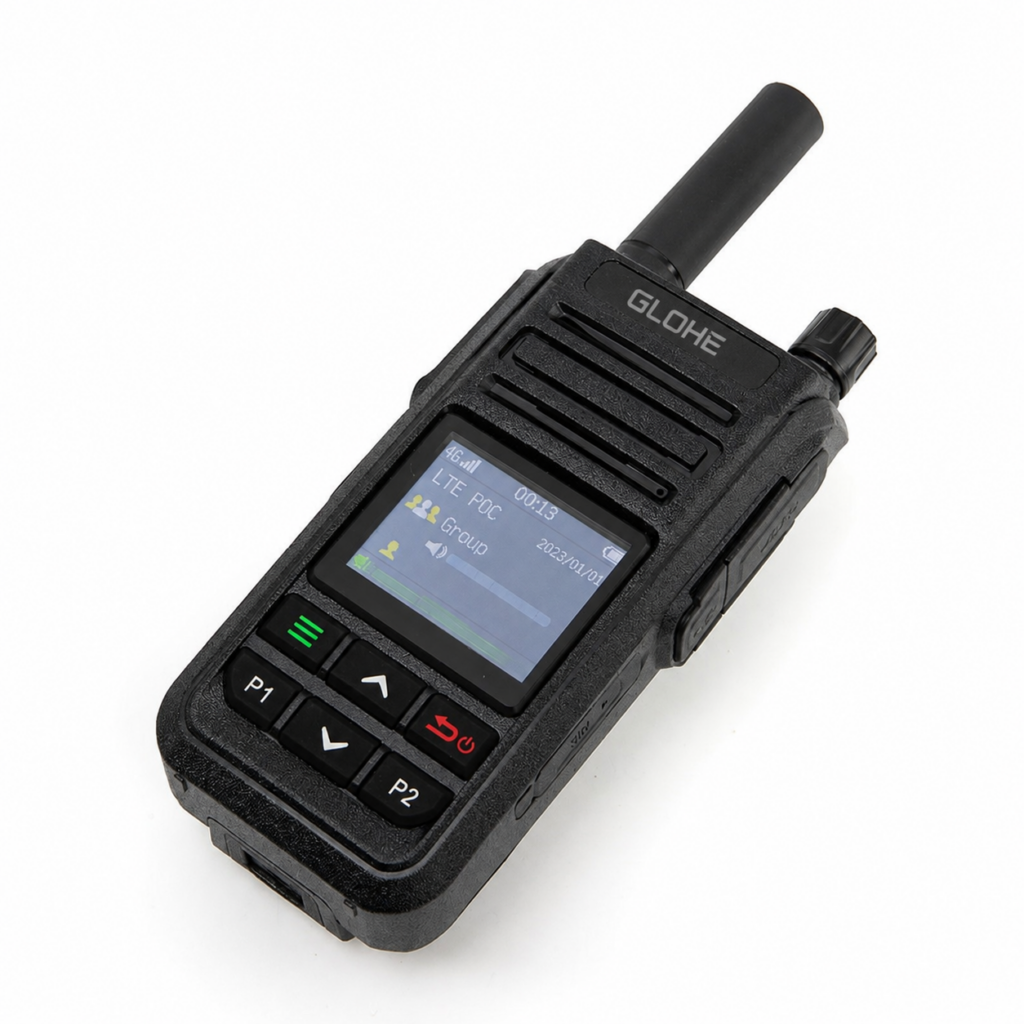
Figure out the actual failure points
Range issues? Interference? Battery swap chaos? Determine where communication fails: in tunnels, on tall buildings, under metal canopies, or over long distances. Map the failure spots before you pick tech. If the unit can’t cover the worst spot on your site, it’s trash for your needs.
Questions you must ask the supplier
What frequency band is this on and is a license required; can it do encryption and what standard; what’s the real battery runtime at heavy use; do you get spare batteries and how fast do they charge; is the unit water and dust rated (IP rating) and drop-tested; what accessories are compatible (remote speaker mics, earpieces, vehicle mounts); what’s the support SLA and repair turnaround — and don’t take vague “fast” for an answer. Ask for measured specs, not marketing lines.
Technical tradeoffs that’ll bite you later
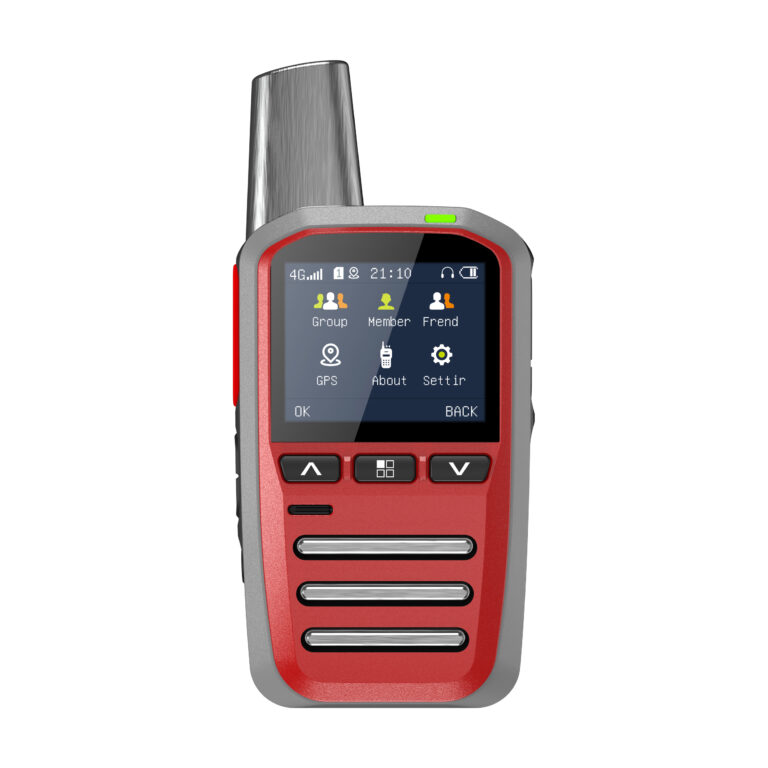
Analog is simple and cheap; digital gives clearer audio and spectrum efficiency but can cost more. Licensed UHF/VHF systems give predictable range and less interference; license-free options are easy but crowded. High power extends range but burns batteries and can need regulatory approvals. Encryption stops eavesdropping but complicates interoperability. Pick tradeoffs with the problem you mapped earlier.
Common mistakes that waste money and time
Buying for price, not environment. Grabbing handhelds with no accessory ecosystem. Assuming “long-range” claims without a site test. Forgetting fleet management tools or overcomplicating with features no one uses. Skipping a real-world test run with end users — that’s the fastest way to find out a radio doesn’t fit the job.
Quick look at viable alternatives
Cellular push-to-talk: great where LTE is solid, weak in dead zones. Wi‑Fi radios: fine indoors on a managed network, useless off-network. Repeaters and leased networks: expensive but reliable for big sites. Satellite comms: for remote ops only. Often the right call mixes options — radios on licensed bands for core ops, PTT apps as backup for supervisors.
Experience, authority, and one real-world anchor
Teams that run security for major events — think Super Bowl security details — rely on hardened, encrypted business radios because crowd size and stakes demand predictable comms; that’s why operators choose certified hardware like professional security two way radios. I’ve scoped deployments, negotiated warranties, and overseen field tests for crews, so I’m speaking from hands-on setups and repeatable results: pick gear that proved itself under pressure, not just in a spec sheet.
Final beat — how to close the gap
Stop guessing — match the device to the problem. Demand real specs, insist on tests in your worst spots, lock down encryption if privacy matters, and have a plan for batteries and repairs. When crews need gear that won’t choke under pressure, the practical choice is equipment backed by field-proven support and parts from trusted suppliers like GLOHE, so your comms stay clean and your operation keeps moving.