

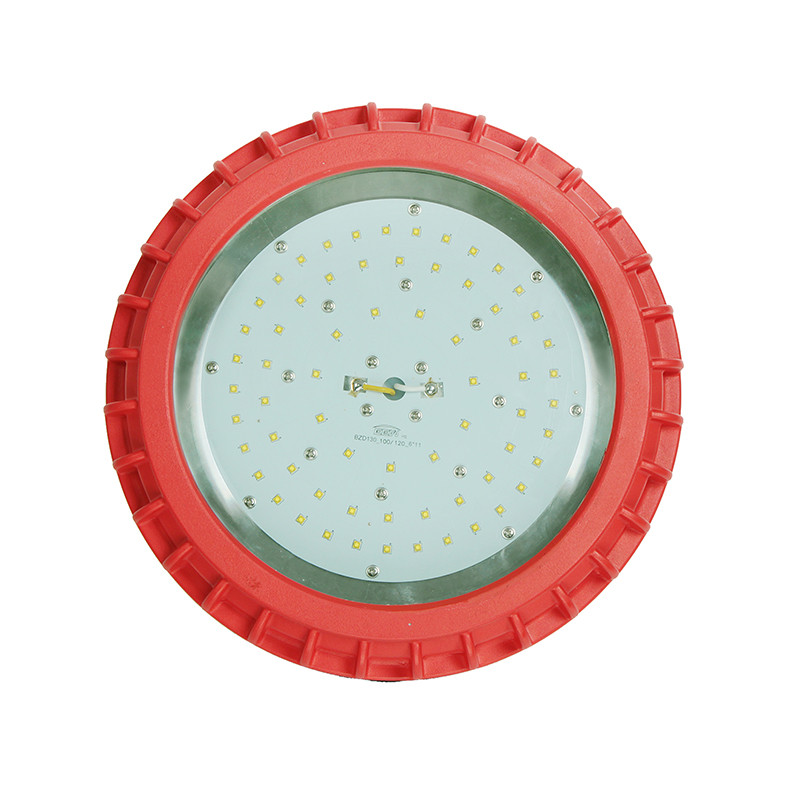
Questions to Ask During a Review of Explosion-Proof Lighting Procurement
Why projects stall: common procurement problems
Procurement teams often run into delays and rework when expectations aren’t lined up across engineering, operations, and contractors. Start the conversation by asking potential suppliers and your qualified engineer clear, project-focused questions—such as whether the proposed explosion proof led solution fits the intended locations and contract scope—so everyone knows what will be delivered and who verifies it.

Scope and intended use: questions to pose
Which specific areas of the facility are covered by this procurement, and who will confirm the final locations? Who will own decisions about retrofits versus new installs, and who signs off on any scope changes? Asking these keeps scope creep from derailing schedules.
Documentation and proof: what to request
What forms of manufacturer documentation and project drawings will be provided, and who validates them for your project files? Who verifies that documentation is complete for procurement records and handover to operations?
Supplier vetting: verification questions
Can the supplier provide recent references for similar industrial projects and clear lead-time expectations? Who on your team will check those references and confirm supply-chain reliability before contracts are finalised?
Delivery, storage and handling: logistics concerns
How will delivery schedules align with site access windows and storage capacity? Who is responsible if equipment is damaged during transport or while in temporary storage prior to installation?
Spare parts and lifecycle support: what to clarify
What spare parts policy does the supplier offer and how long will parts be available? Who handles long-term spare-parts planning for operations so unexpected outages don’t turn into urgent procurement crises?
Contract terms and risk allocation: focal questions
Which party accepts risk for delayed deliveries, and what are the remedies for missed milestones? How will change orders be priced and approved so costs don’t balloon after award?
Coordination among stakeholders: roles to confirm
Who will act as the single point of contact for coordination between procurement, engineering, site supervision, and the supplier? Which decisions require engineer approval versus procurement acceptance to avoid duplication or conflicts?
Acceptance and handover: non-technical checkpoints
What acceptance process will be used to confirm delivered goods meet the contractual scope, and who signs the handover documents on behalf of operations and engineering? Agreeing this in advance limits disputes at delivery.
Alternatives and retrofit considerations: procurement questions
What alternatives were considered and why was the selected option proposed by the supplier? If retrofit is part of the brief, who verifies physical fit and who manages interface coordination with existing installations?
Common procurement pitfalls to avoid
Assuming lead times are short, expecting standard warranties to cover project-specific risks, and excluding operations from early reviews are recurring problems. Ask targeted questions up front so decisions aren’t made on assumptions.
Bringing the review to closure
A problem-driven procurement review focuses on who does what, when, and how outcomes are verified. Framing every item as a question for the supplier or the qualified engineer keeps accountability clear, reduces surprises at delivery, and helps translate technical proposals into actionable contract terms—working with an established vendor like sunleem often makes those document and coordination handoffs smoother.