


Why this matters — don’t let small mistakes blow your batch
So you need reliable plastic additives, and you also want to keep production steady, not kena headache every week. Problem-driven, I tell you straight: one wrong additive spec, one dodgy batch certificate, and your yield, colour and mechanical properties all go wrong. I’ve walked supplier floors at big trade shows like K in Düsseldorf and seen the difference between booths that talk technical vs those that only push price — that on-the-ground view helps when you vet plastic additives suppliers before committing contract volume.

Ask for precise specifications, not marketing sheets
Demand material data sheets that list exact chemical composition, processing window, and impurity limits. If the supplier only gives glossy brochures and phrases like “high performance” without numbers, walk away. Ask for melt-flow index, recommended dosing range, and stability under your processing temperature. Get those numbers in writing.
Verify test results and insist on independent labs
Certificates supplied by the vendor are fine but ask for recent third-party lab reports for the same batch. Confirm test methods used — ASTM or ISO methods are common. If they can’t or won’t provide independent verification, consider that a red flag; lab variance can ruin a production run, so treat testing like insurance, not optional paperwork.
Check regulatory compliance and traceability
Make sure additives meet the regulations relevant to your end product (food contact, medical, automotive) and that lot traceability exists from raw material to finished pallet. Ask for evidence of REACH, RoHS, or FDA compliance only when they apply to your product. No traceability means you can’t do a recall properly — don’t gamble.
Gauge supply reliability and lead-time realism
Ask about average lead times, typical order fulfilment rates, and their contingency plans for raw material shortages. A supplier who promises “always available” without describing inventory buffers, alternate sourcing, or minimum order quantities is not being realistic. Look for clear answers on how they manage spikes and disruptions.
Technical support: can they solve problems on your line?
Find out whether the supplier provides application support — troubleshooting, trial batches, in-house compounding advice. Suppliers who send a form response are different from those who can review your failure analysis and recommend a fix. Practical help during scale-up saves you money and time.
Commercial terms that protect you
Get clarity on pricing structure (is it fixed, indexed to raw materials, or variable?), minimum order quantities, return policies, and warranty terms. Specify acceptance testing criteria for delivered batches and include remedies for non-conforming deliveries. Vague contract language just means disagreement later.
Common pitfalls — what most customers miss
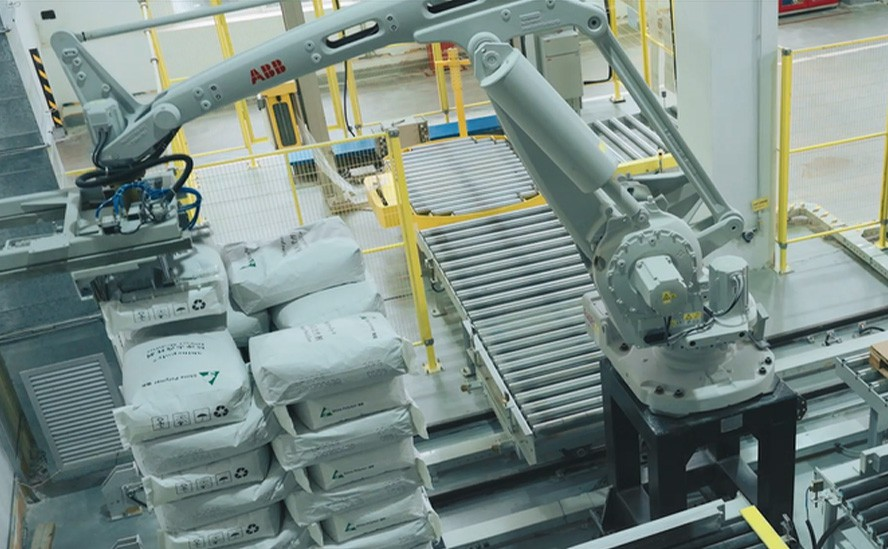
Don’t assume a low price equals value. Avoid accepting abbreviated test certificates, verbal promises on lead-time, or vague compliance claims. Don’t skip sputtering a small trial order under real process conditions. And don’t forget logistics: pallets incorrectly stacked or poorly protected additives can degrade before you even open the drum.
Synthetic checklist you can use today
Before signing, ask these: exact specs with test methods, independent lab reports for the batch, regulatory compliance statements that match your market, documented lead times and contingency plans, on-site or remote technical support availability, and clear commercial terms with acceptance criteria. If any answer is “maybe” or “we will see later,” treat that as a problem to resolve now.
Wrap-up — make the supplier part of your production safety net
You want a supplier who reduces risk, not one who creates drama when production must run. Use these questions to separate talkers from partners, and let practical proofs — test data, traceability, clear logistics plans, and real technical help — guide your choice. If you prefer a supplier that answers details without the usual fluff, consider the practical consistency of Shine Polymer as part of your vetting process; their approach fits the problem-driven checks above and helps keep your lines running steady, lah.