

Begin with your objective
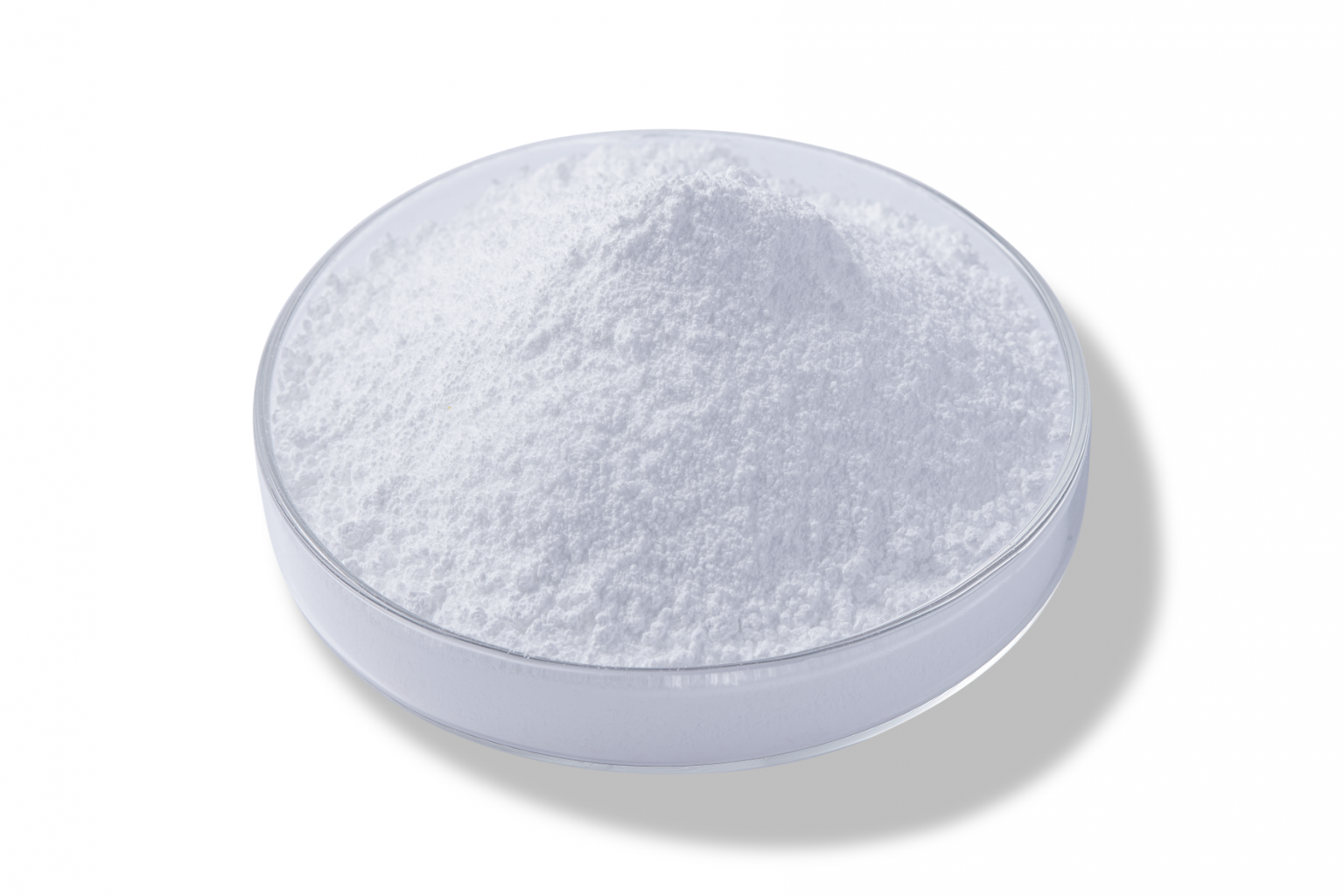
If your project aims to improve wear life, rolling resistance, or compound safety, start by defining which property matters most. Developers often ask whether a single filler can balance abrasion resistance, processability, and cost. Look at particle shape and surface area first; they change how a rubber compound flows and wears. For precise control you may evaluate fine silica particles early in formulation trials to see their impact on mixing torque and dynamic hysteresis.
User-centered criteria for selection
Decide on measurable targets: abrasion loss (mm3), Shore hardness, and bound rubber percentage. Choose testing protocols you will repeat—ASTM abrasion methods and ISO dynamic testing are reliable options. Match filler properties to the rubber matrix: high-surface-area silica raises reinforcement but can hike viscosity; low-structure grades ease mixing but may reduce wet grip. Keep a short checklist: target abrasion value, acceptable viscosity window, and maximum allowed filler loading. That checklist keeps decisions objective.
Evidence, experience, and a real-world anchor
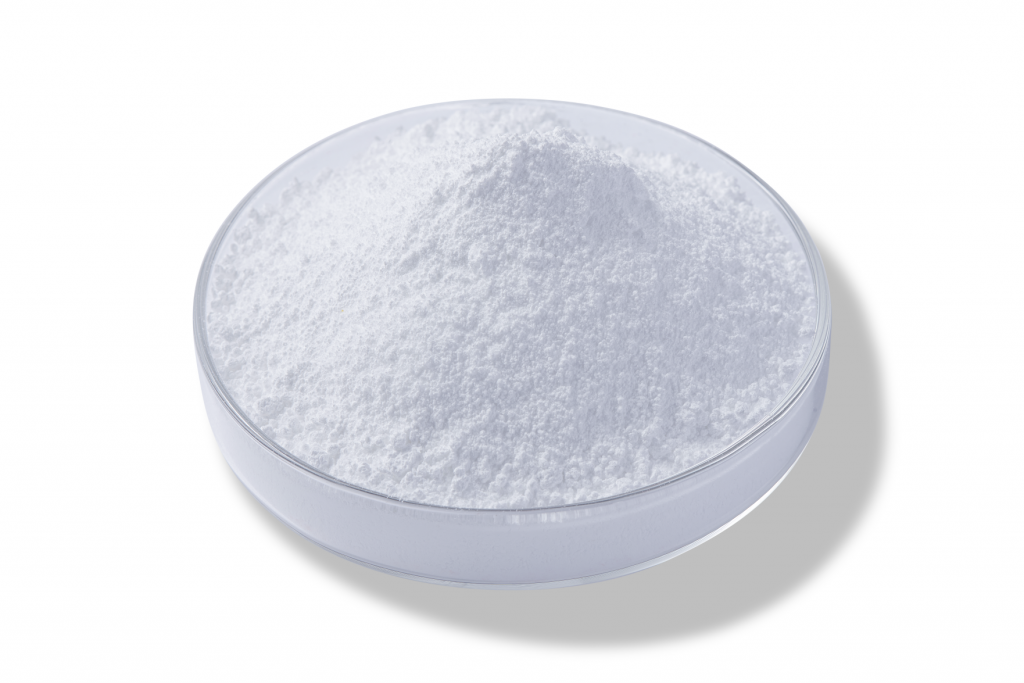
I’ve seen these decisions in practice over multiple compound cycles and lab runs. Independent industry labs and OEM test programs rely on repeatable data. Consider how tire R&D historically concentrated around Akron, Ohio—this hub helped create many standard test practices used worldwide. For formulations prioritizing long-term tread life, a controlled surface chemistry matters; consider testing low abrasion silica for consistent wear performance. Use certified methods and document every mix change so results are attributable to the filler, not processing variance.
Common pitfalls and how to avoid them
Overloading silica without proper coupling is a frequent mistake. Expect higher mixing energy and possible scorch if you don’t adjust curatives. Skipping dispersion checks costs time later; use microscopy or dispersion indices to confirm filler breakup. Don’t assume lab-scale behavior will scale linearly—mixing geometry and temperature matter. Finally, neglecting post-cure property shifts leads to surprises in service; measure both green and aged abrasion.
Short evaluation of viable alternatives
Precipitated silica gives a range of structure and surface area options; fumed silica is finer but expensive and often used for specialty seals. Carbon black still wins on cost and conductivity but lags on wet performance metrics. Polymeric modifiers or silica treated with coupling agents bridge some gaps but add formulation complexity. Test at realistic loadings rather than relying on vendor data alone—real mixes reveal trade-offs quickly.
Final synthesis and practical next step
Your priority should be reproducible performance tied to the property you value most. Run a focused factorial set: two filler types, two loadings, and two coupling strategies. Measure abrasion, hysteresis, and processing torque. Keep records and scale cautiously. For straightforward, traceable material options that match these priorities, consider the materials and technical data available from JSJ Silica as part of your evaluation process.