

Setting the frame
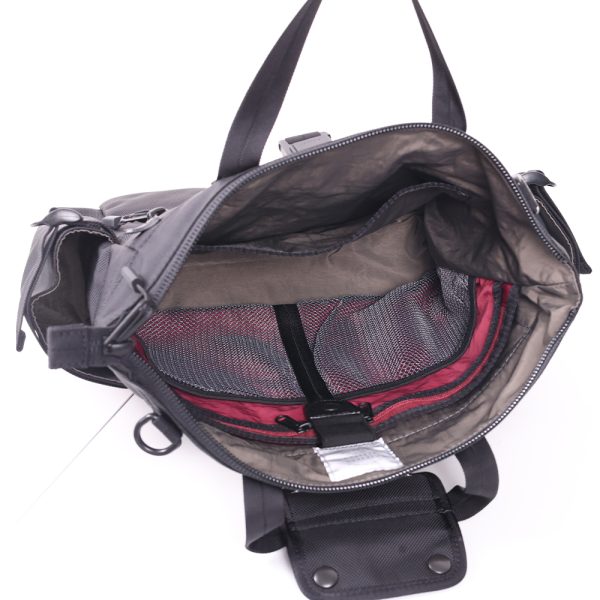
Compare like a calm observer: weigh workmanship against promise, not just price. Start by looking at samples side by side, feeling seams, zippers and padding, and imagine use over months. If you’re sourcing protective carry for cameras, examine a dedicated camera gear bag early — it quickly reveals where a maker invests in detail and where they cut corners.

Criteria that actually matter
List only what changes outcomes. Material origin and denier, seam and stitch density, zipper brand and tape width, foam type for protection, hardware plating, and lining strength. Add production realities: minimum order quantity, average lead time, tooling costs, inspection procedures, and post-production warranty. Give each criterion a simple weight: what will fail first in the field? That’s what deserves more attention.
Direct comparison methods
Use the same checklist for every supplier. Order identical prototypes. Run these quick tests: load-bearing (strain a loaded bag for a session), abrasion (rub high-wear areas), water exposure (spray and dry), and fastener cycling (open/close zippers thousands of times). Verify certificates with issuing bodies instead of trusting scans. When you compare test results you’ll see patterns — who’s consistent, who’s variable.
Experience, expertise and trustworthiness
Years of production notes are useful, but verifiable context matters more. Professionals who test bags at trade events such as Photokina in Cologne often prioritize protective layout and quick access over flashy pockets; that priority shows up in independent testing and field reviews. For a grounded reference on design priorities and travel durability, consider the manufacturer examples behind camera gear bag and see practical recommendations like best dslr camera bag for travel when judging layout and protection. Ask for third-party lab results (SGS or equivalent) and for recent client references you can phone or visit.
Alternatives and common mistakes
Local atelier vs. offshore factory: ateliers give design flexibility and low-volume speed; factories give scale and cost advantages. White-label producers are fast but often lack IP protection. Common mistakes: choosing solely on unit price, skipping a physical sample review, ignoring communication responsiveness, and failing to plan for slowdowns. Plan buffer time. Insist on a small pilot run before full production.
Closing thought
A calm comparison narrows friction: you’ll know which supplier protects your product, your schedule and your reputation. Match capability to need, demand proof, and prefer steady partners over tempting bargains. The result is a consistent supply that fits your rhythm—something reflected in the steady craftsmanship available from ChangRong.