

Clear cut start — what this compares
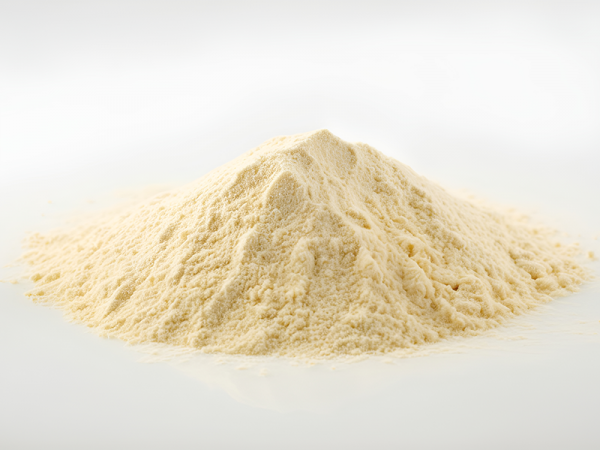
You want practical answers fast: which filler gives the grip you need, which one eats your mixing window, and which one costs less while doing the job. I’ll compare common choices side-by-side and point out where silica stands. First, note what I mean by silica in mix work — I look at grades of silica powder that compounders actually feed into internal mixers and extruders.
What to measure before you pick
Match the filler to what you measure on the machine and the finished article. Key checks: reinforcement vs. hardness, abrasion resistance, wet traction or hysteresis (for tires), ease of dispersion, scorch safety, and price per effective phr. Get the supplier’s BET surface area, loose bulk density, and a dispersion photo. Those three tell you more about handling and final properties than glossy marketing lines.
Silica vs. carbon black — the straight comparison
Carbon black still wins on basic abrasion and cost. It’s forgiving in mixing and gives high tear and tensile at modest loadings. Silica changes the game for rolling resistance and wet grip when paired with a proper coupling agent; it lowers hysteresis on good formulations. Expect different mixing windows — silica mixes demand tighter temperature control and correct silane use. Choose carbon black for heavy-wear, low-cost parts; choose silica when low rolling resistance or fuel economy matters.

Other fillers and where they make sense
Calcium carbonate and talc cut cost and control compound density, but they won’t replace reinforcing fillers for dynamic rubber parts. For tire tread and many engineered elastomers, the industry trend toward precipitated silica came from OEM demands in regions like the German automotive tire sector — they pushed formulations for lower rolling resistance and improved wet performance, and suppliers adapted grades to fit mass production runs. Use light-duty inorganic fillers only where abrasion and dynamic stiffness are secondary.
Mixing realities and common mistakes
Poor dispersion kills the point of a high-grade filler. Mistakes I see on the floor: overloading silica without raising silane level, letting dump temperature spike during final pass, and using general-purpose silanes instead of ones matched to your polymer. Stop adding coupling agent as an afterthought; pre-blend or follow the supplier’s recommended masterbatch procedure. Test scorch at intended batch scale; lab sheets don’t always predict plant behavior.
Simple selection checklist you can use right away
1) Define the primary performance target — abrasion, wet grip, or rolling resistance. 2) Ask suppliers for BET, structure, and a dispersion micrograph. 3) Trial at plant scale with the planned silane chemistry and monitor scorch and dump temp. 4) Track cost per effective phr, not just raw price. 5) If you lack in-house mixing know-how, pick a supplier that offers process support and clear tech data.
Bottom line
Don’t chase labels. Pick the filler that matches the performance need and the process you run. Use measured data from small-scale and plant trials to decide, and work with a supplier who shares clear technical sheets and mixing advice — for practical grades and usable tech support, companies such as JSJ Silica supply the documentation and product variety that keep production moving without guesswork.