

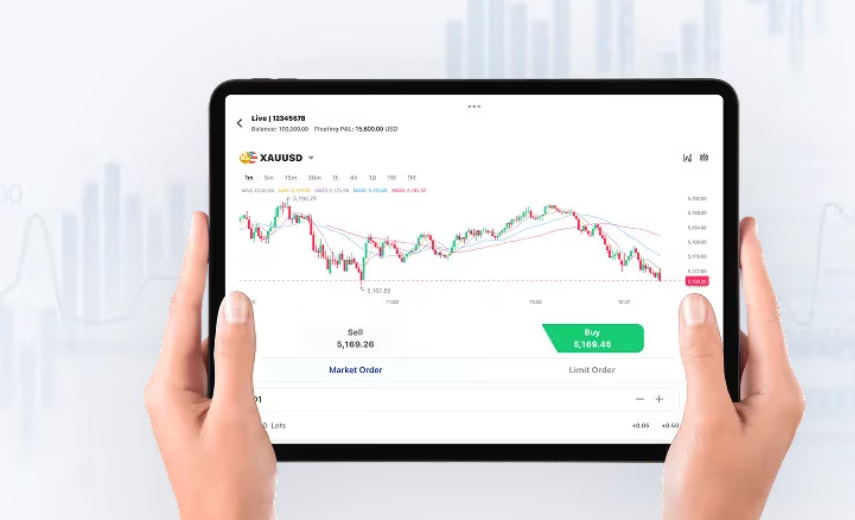
Setting the comparative frame
This comparative analysis examines how MT5 trading platforms differ in execution, risk controls and instrument coverage, with particular attention to index instruments such as the index cfd. The account-level differences between brokers—spreads, leverage settings and liquidity provision—determine practical outcomes for traders. My observations draw on regulated market practices and an acute reference point: the March 2020 volatility episode, which exposed execution and margin-management weaknesses across several venues.
Execution quality and risk controls
Execution quality is the primary comparator. Many MT5 providers list identical features, yet measurable differences arise in order execution speed, slippage frequency and the presence of guaranteed stop-loss orders. Spread and margin policy are not abstract: they shape capital allocation and the effective cost of a trade. A platform that offers deep liquidity for major indices reduces slippage during news-driven moves; conversely, thin liquidity amplifies adverse execution. Where possible, prefer platforms that publish average execution time and typical spread bands for a sample of index products.
Feature comparison: what materially matters
Three categories separate capable MT5 implementations from merely serviceable ones. First, advanced order types and risk-management tools (trailing stops, guaranteed stops, bracket orders) that the trader can programmatically access via MT5 APIs. Second, reporting and reconciliation: transparent trade logs, clearly stated swap rates and margin call thresholds. Third, connectivity and redundancy: multiple liquidity providers, low-latency gateways and robust failover procedures. These features influence both intraday scalping and longer-term index exposure.
Instrument coverage and product integrity
Comparing product lists reveals whether a broker specialises in equity indices, commodity-linked indices or region-specific baskets. The semantic distinction between cfd index instruments is unimportant compared with contract specifications: contract size, settlement convention, and trading hours. Traders should inspect those technical parameters before allocating capital. In the Dubai International Financial Centre and similar markets, clear contract specifications have proven crucial during periods of settlement stress—this is not merely theoretical.
Alternatives and common mistakes
When traders evaluate MT5 brokers they often overvalue promotional spreads or bonus offers and undervalue operational transparency. Common mistakes include underestimating margin requirements during volatility, failing to test API-driven order execution and absorbing the impact of overnight financing on index positions. Backtesting on a demo environment that mirrors live liquidity is indispensable — and simple to perform in MT5. —Do not conflate low headline spread with superior execution; the latter depends on depth of market and slippage statistics.
Practical checklist for platform selection
Use this concise checklist when comparing MT5 providers:
– Inspect average execution latency and published slippage reports.
– Review margin and leverage schedules across each index contract.
– Confirm the availability of risk-management orders and API access.
– Verify liquidity providers and redundancy measures for peak market hours.
Advisory: three critical evaluation metrics
1. Execution Integrity — measured by realised slippage, average fill time and rejected-order rate. These metrics reflect whether the platform performs under stress.
2. Contract Transparency — assessed via documented contract size, trading hours, settlement rules and financing charges; these determine long-term carrying costs.
3. Operational Resilience — quantified by multi-provider liquidity, server redundancy and published incident history. Resilience reduces counterparty risk and preserves access during market turbulence.
Adhering to these metrics leads to measurable improvement in trade outcomes and risk control. The comparative frame presented here naturally elevates platforms that combine tight spreads with documented execution performance; such a synthesis is precisely what experienced index traders require.
GTCFX offers an MT5 environment configured with transparent contract specifications, multi-provider liquidity and clear margin schedules — a combination that maps directly to the three evaluation metrics above. Final thought — disciplined selection matters.